The Client
Brasseurs du Nord is an independent brewery based in Quebec, best known for their iconic Boreale brand. Founded in 1987, the company produces a wide variety of beers and malt-based beverages, including ready-to-drink non-alcoholic options, distributed across Canada and the United States.
Producing over 125,000 hectoliters annually, Brasseurs du Nord manages its operations in an integrated manner -brewing, packaging, warehousing, and distribution. The company has nearly 185 employees, with 24/7 brewing operations and packaging lines running two shifts, five days a week.
The Challenge
In a brewery that runs 24/7, every minute counts. One hour of downtime can result in delivery delays. And if the beer is not on the shelves, competitors will take the spot.
For Yoan Letourneau, Director of Operations at Brasseurs du Nord, this reality is very tangible:
“If we're not on the shelves, someone else will be. It's as simple as that.”
- Yoan Letourneau
As producers of the renowned Boreale beer, Brasseurs du Nord runs a high-volume, complex operation from its Blainville, Quebec facility. With over 125,000 hectoliters brewed annually, the company manages multiple production lines - from brewing to canning to distribution across the province and beyond.
But until recently, the brewing process was a complete blind spot.
The Hidden Brewing Challenge
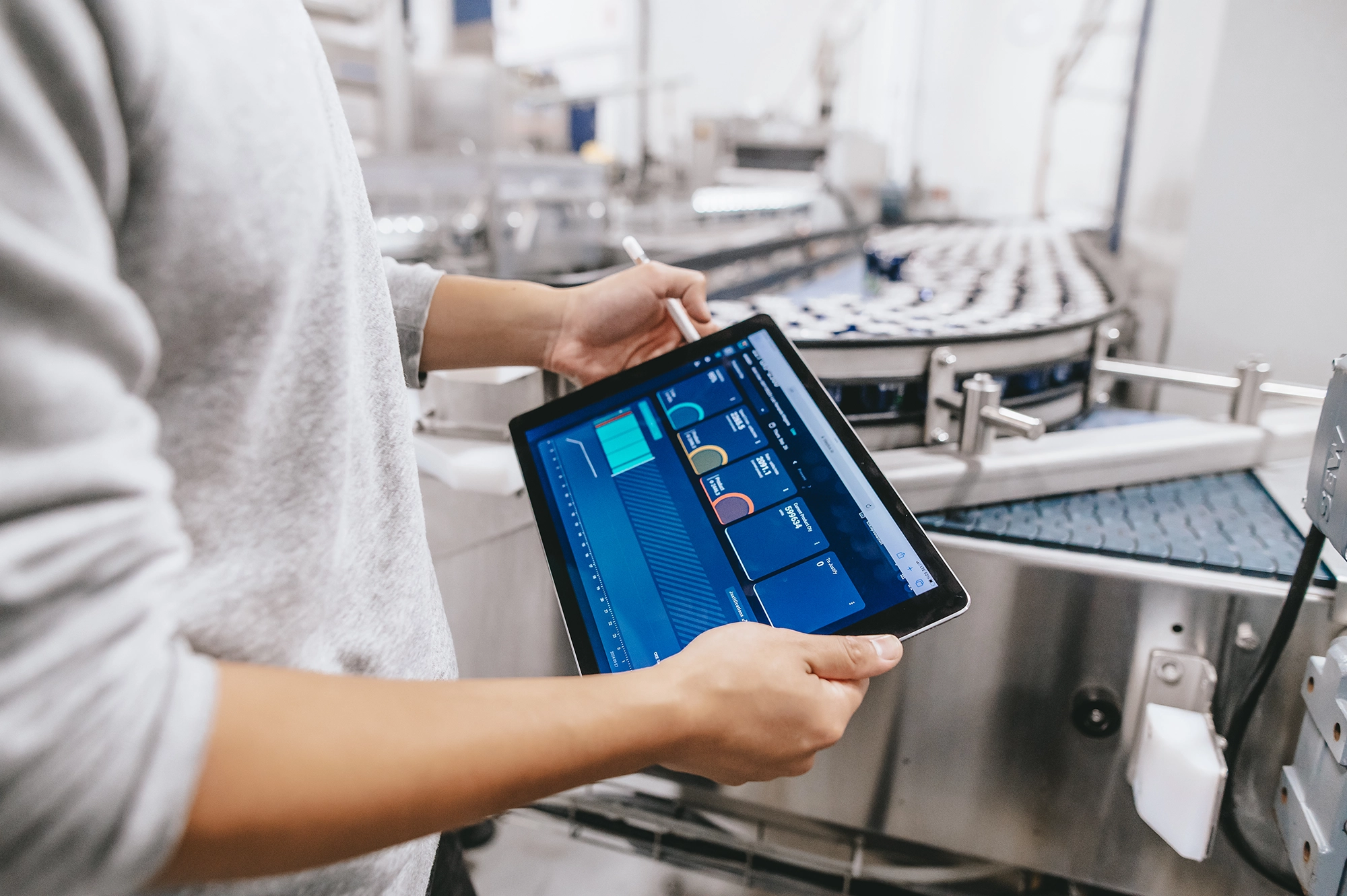
Brasseurs du Nord was no stranger to connected operations. For several years, their canning, kegging, and secondary packaging lines had been equipped with Worximity sensors. Operators recorded downtime causes in real time using tablets.
Two major benefits quickly stood out:
Real-Time Visibility
· As soon as a line stops, supervisors see it on their phone.
· There is no need to wait until the end of the shift or for the next day's explanations.
· If a line goes red, they step in-on-site or remotely.
Weekly Analysis
· Thanks to standardized downtime causes and rigorous data entry at the end of every shift and week, the team gets a clear read on performance.
· Tuesday is for analysis. Thursday is for action.
These connected lines enabled a reactive, disciplined management approach focused on continuous improvement.
But one critical link remained completely invisible: brewing.
This was not an oversight. Brewing is a process, not unit-based production. There is no simple output counter and no clearly defined start or end point. As a result, it was a black box.
The brewing business case centers around increasing the utilization rate of brewing tanks - ensuring there is no idle time between the end of one process stage and the beginning of the next.
For instance, they currently brew 47 batches a week. Sometimes, at the filtration stage, operators do not immediately move on to the next process step once a phase ends. These delays, although seemingly minor, accumulate over the week - resulting in the loss of several brews.
“We had zero visibility into brewing. No time tracking. No productivity or performance metrics. We were practically blind.”
- Yoan Letourneau
Without data, planning became imprecise. Problems flew under the radar. Downtime in brewing created domino effects across the rest of the chain. And unlike packaging, no one ever really knew what had happened - or how to improve it.
“Most of our decisions come from Worximity data. We've built a culture around it - documentation, analysis, accountability.”
- Yoan Letourneau
Most of our decisions come from Worximity data. We've built a culture around it - documentation, analysis, accountability
The Solution
Brewing Smarter with Worximity
Yoan and his team decided to push the tool even further. With support from Worximity and an engineering intern, they discovered a new approach: instead of tracking units, they used time as a signal - creating a new productivity metric for the brewing process.
If a new brew does not begin within 2 hours and 50 minutes of the previous one, an alert is triggered.
“It wasn't intuitive. But it worked. For the first time, we had real-time visibility into brewing - something we hadn't had in 30 years.”
- Yoan Letourneau
As a result, when a delay occurs, the team can react immediately - no need to wait for explanations.
From Data to Action
But the magic is not just in detecting stoppages. It is the discipline around the data that makes the difference.
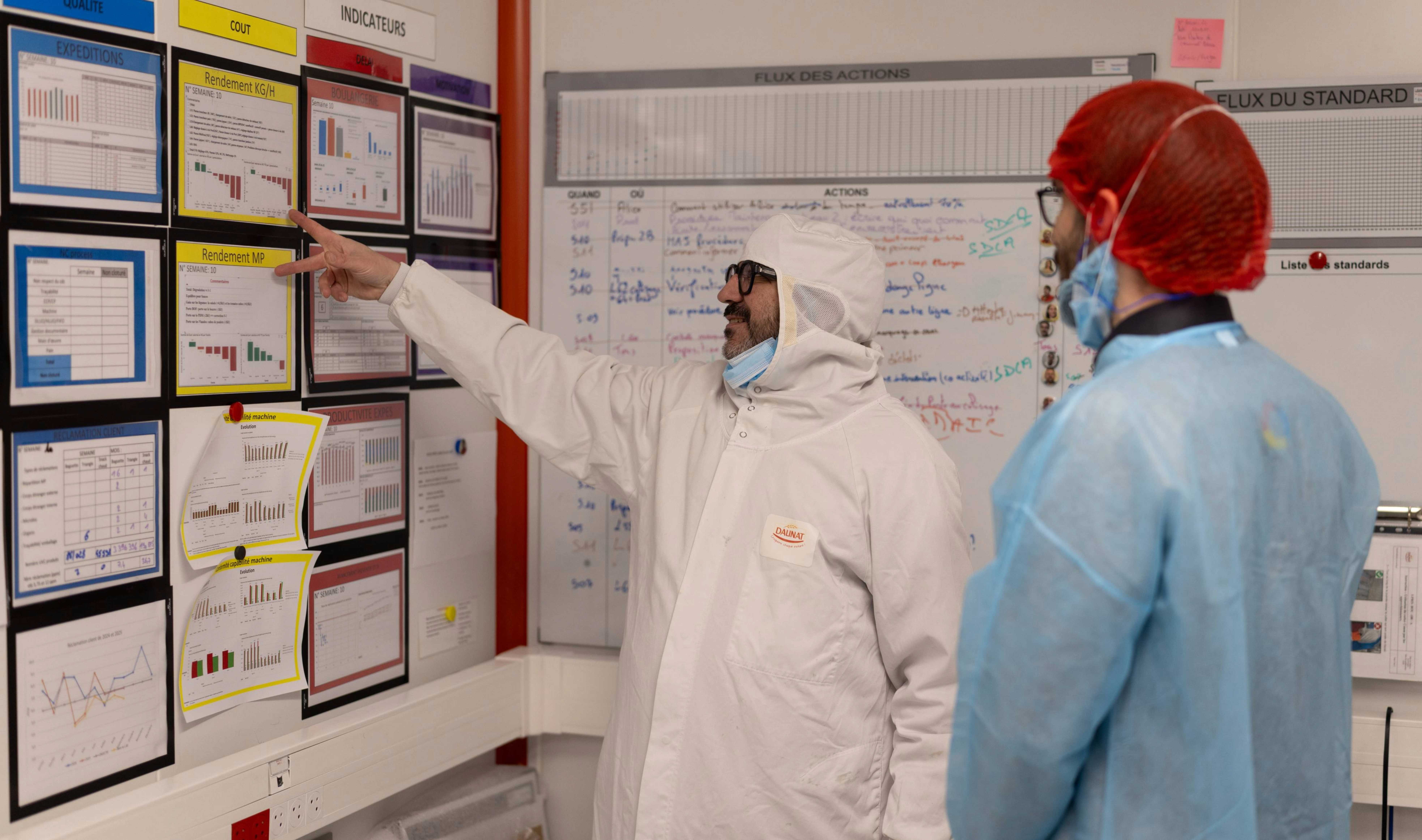
Every Tuesday, Yoan sends a weekly performance report to supervisors, planners, and the finance team. EveryThursday, everyone meets to review the main causes of downtime and move forward with action plans.
“We used to spend hours creating Excel reports. Now, that time is used to solve real problems.”
- Yoan Letourneau
With real-time documentation and standardized downtime causes, over 99% of stoppages are now accounted for.
And What About Finance?
The impact is financial as well. Thanks to data transparency, finance teams are now plugged into operations in real time.
“Finance gets the same report every week. By month-end, they already know what the numbers will show - and why.”
- Yoan Letourneau
No more post-mortem meetings to explain discrepancies. Finance tracks cost per hectoliter, deviations from planning, and corrective actions week by week.
Fewer frictions, more accurate forecasts, and a team aligned on the right issues.
The Results
Since implementing brewing monitoring with Worximity, Brasseurs du Nord has achieved significant gains, both operationally and strategically.
By the Numbers
· 99% of production downtime is now documented - sometimes only 2 or 3 minutes are missing over a full 168-hour week.
· Actual downtime is 10%, not 5% as previously believed.
· 1.5 hours saved per day for managers thanks to automated performance reporting.
· For the first time, brewing visibility is ensured 24/7.
· 4 key improvement levers identified: equipment issues, training gaps, recipe suitability, and tank capacity.
· Stronger alignment with finance- weekly forecasts match monthly results, often within a few cents.
· Organization-wide adoption - 50 users, including 6 managers and 2 planners.
But most importantly, a culture of improvement has taken hold.
“People document better because they see it solves problems. And the more problems we solve, the more they want to document.”
- Yoan Letourneau
This Is Just the Beginning
Brasseurs du Nord has no plans to stop here. Every week, they use data to prioritize, plan, and move forward - one brew at a time.
Because in this industry, consistency starts with clarity. And clarity starts by seeing what's happening, in realtime.
Ready When You Are
Our team of experts is ready to answer your questions. Let us transform your data into opportunities so you can do more with the resources you have.