The Client
For more than 50 years, Isolofoam has produced high-performance expanded polystyrene (EPS) insulation solutions for construction, civil engineering, and packaging markets. With steady annual growth, the company faced increasing pressure to expand output without adding headcount or investing prematurely in new equipment.
The Challenge
Scaling Without Losing Control
To achieve these goals, leadership recognized the need for greater operational visibility. While the company’s ERP system supported high-level planning, it offered limited insight into the day-to-day production performance data critical to achieving both short- and long-term KPIs.
Production information was recorded manually on paper forms, creating delays, inconsistencies, and blind spots. As volumes grew, bottlenecks emerged and improvement efforts relied heavily on observation rather than verified data.
“We knew where we wanted to go as abusiness,” said Production Manager Maxime Lepoutre, “but we lacked clear visibility into how our production floor was actually performing. Withoutreliable data on equipment downtime and process efficiency, it was difficult topinpoint inefficiencies and prioritize the improvements that would have thegreatest impact.”
To sustain growth, leadership concluded that greater visibility into availability, downtime, setup time, and performance losses was essential.
Worximity gave us the detail we needed without adding complexity. It supported our improvement goals instead of forcing us to compromise and adapt to a limited system.
The Solution
Defining the Need for Operational Clarity
As operations became more complex,traditional reporting methods limited Isolofoam’s ability to improveconsistently.
“We couldn’t make informed decisions based on ‘I think’ or ‘I feel’ input,” explained Processes and Continuous Improvement Coordinator Thomas Hernández. “We needed tangible, objective, and measurable data.”
With a lean team managing multiple production lines, manually compiling and analyzing data placed a growing burden on staff and delayed corrective action. Improvement opportunities were often identified only after losses had already accumulated, limiting Isolofoam’s ability to respond quickly.
Leadership established clear objectives:
· Eliminate paper-based reporting
· Increase production speed by20% in cutting
· Standardize downtime tracking
· Identify recurring constraints
· Measure improvement impact
· Support structuredproblem-solving
· Strengthen investment decisions
More than a technology upgrade, the initiative reflected Isolofoam’s commitment to building a disciplined, fact-based, performance-driven organization.
Selecting the Right Solution
With clear requirements in place, Isolofoam evaluated multiple manufacturing performance platforms, ranging from basic monitoring tools to highly customized enterprise systems. Each option was assessed against operational priorities:
· Compatibility with existingequipment and ERP
· Speed of deployment
· Ease of use for operators
· Analytical depth
· Scalability across facilities
“We weren’t looking to add technology for the sake of adding technology,” Lepoutre said. “We needed something impactful. A system that would give us reliable data quickly and fit the way we run our plants.”
Highly customized systems were ruled out due to long implementation timelines and complexity, while simpler tools lacked the analytical rigor needed to support structured improvement. Worximity emerged as the best fit, delivering rapid deployment, native ERP and PLCconnectivity, automated downtime classification, and intuitive dashboards,without disrupting production.
“Worximity gave us the detail we needed without adding complexity,” Hernández said. “It supported our improvement goals instead of forcing us to compromise and adapt to a limited system.”
By selecting a solution aligned with itsoperating model, Isolofoam established a practical and scalable foundation forlong-term performance management.
Executing with Discipline
Rather than pursuing an immediate full-scale rollout, implementation began with a focus on the most critical bottleneck: the laminating line. The pilot phase allowed the team to validate data accuracy, refine downtime classifications, and ensure dashboards reflected real production conditions.
“We didn’t want something that looked good on paper but didn’t work on the floor,” Hernández said. “It had to support how we actually run the plant.”
Early results confirmed the accuracy and value of the system. With confidence established, the company expanded deployment line by line using a structured process: analyze, stabilize, improve, then scale.
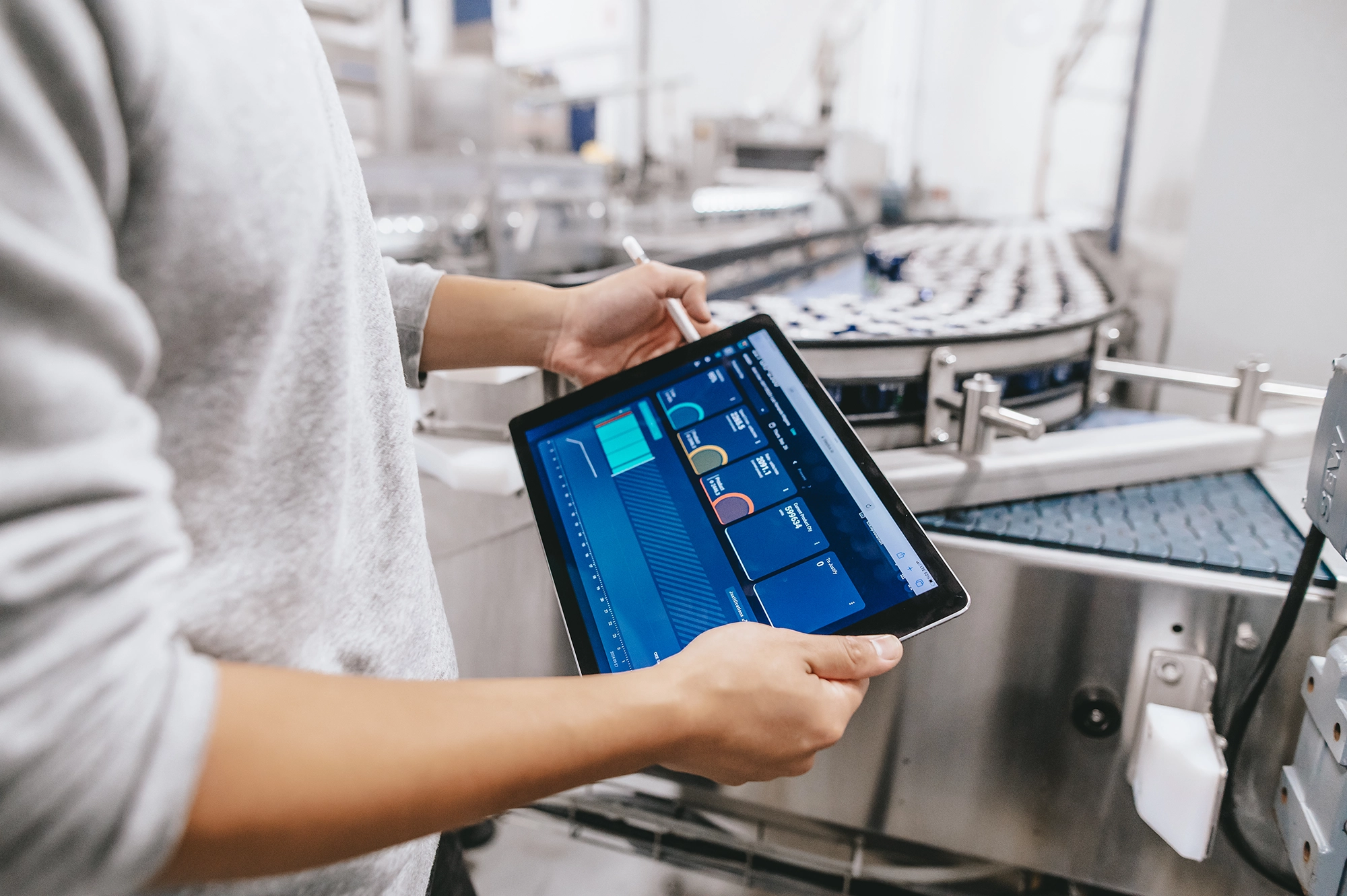
Over time, Isolofoam strengthened its digital infrastructure through ERP integration, PLC connectivity, real-time dashboards, and automated downtime classification.
“The ERP connector was a big win,” Hernández noted. “As soon as operators changed products, the interface updated automatically.”
Automated synchronization reduced manual data entry, improved reporting accuracy, and ensured performance metrics reflected real-time production status. As data reliability improved, management decisions became more consistent, timely, and transparent.
Building Production Floor Ownership
Leadership recognized early that long-term success couldn’t be mandated. Operators had to trust the process and actively engage the system. When performance monitoring was first introduced, some employees viewed it as intrusive. Management addressed these concerns directly, reinforcing that the platform was designed to support problem-solving and continuous improvement, not surveillance.
Instead of imposing the system from the topdown, operators were involved in shaping how it was used. They helped define downtime categories, reviewed performance data, participated in root-cause analysis, and contributed to corrective action plans.
This collaborative approach ensured the system reflected real production conditions while giving employees a meaningful voice in operational decisions.
“Our operators have really taken ownershipand now see the system for what it is, a valuable tool,” Hernández said.“Today, if something doesn’t come online right away, they’re quick to call me.”
Over time, performance data evolved from amanagement metric into a shared resource, strengthening accountability andfostering cross-functional collaboration.
The Results
Proven, Sustainable Performance Gains
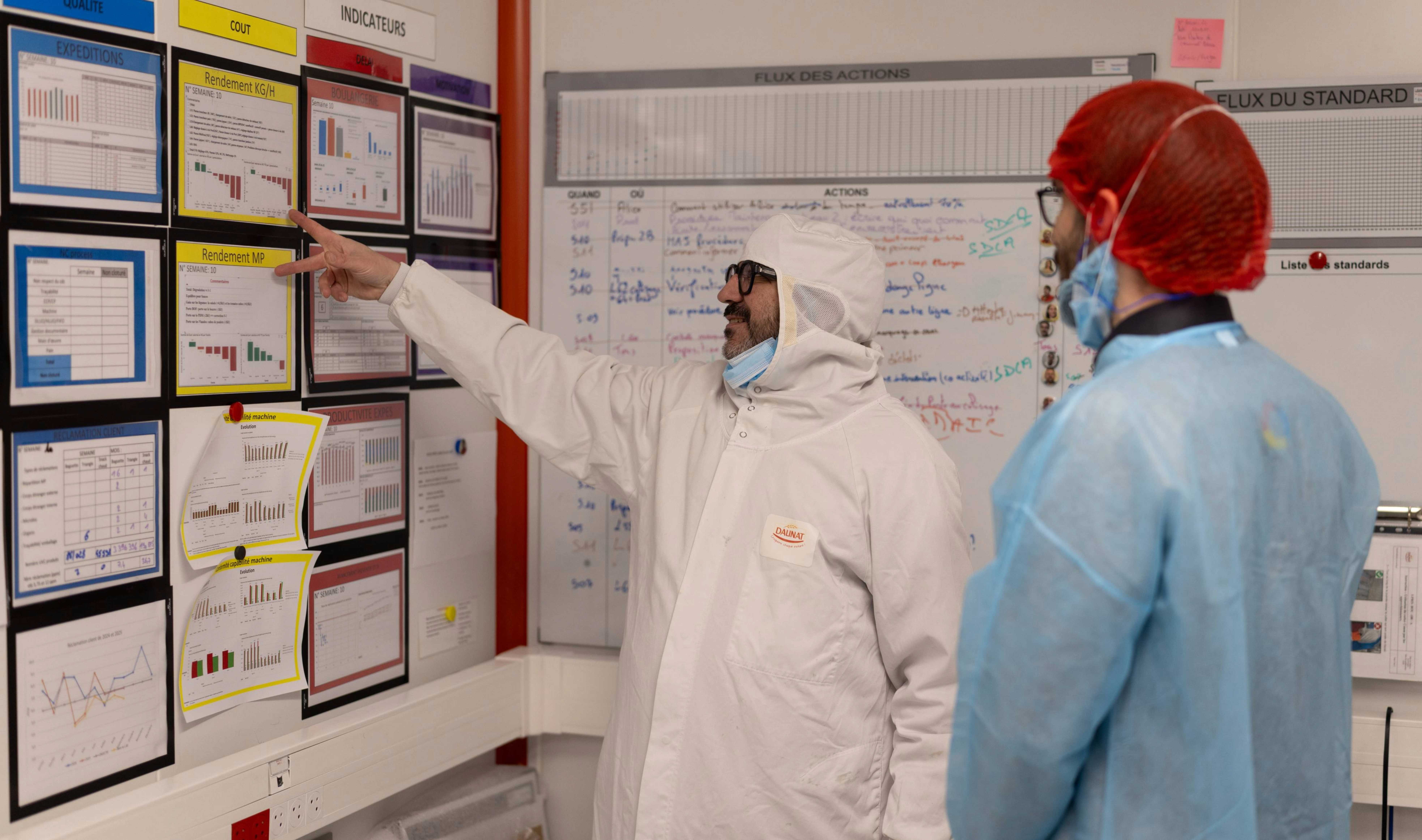
With consistent, real-time visibility in place, Isolofoam standardized improvement practices across shifts and facilities. Performance discussions shifted from informal assessments to structured, evidence-based reviews.
Increased Availability and Capacity
By addressing losses related to setup, maintenance, and workflow coordination, the plant increased average availability to 73.1% within nine months, up from 69.6% the previous year. These gains translated into greater usable capacity, improved scheduling flexibility, and stronger on-time delivery, without increasing labor or major capital investment.
Sustained OEE and OOE Improvements
Isolofoam tracks performance using OEE for scheduled production effectiveness, and OOE for total calendar-time effectiveness. In under two years, the company recorded substantial gains:
· Production line #1: +16.2% OEE,+11.7% OOE
· Production line #2: +6.7% OEE,+7.3% OOE
These documented improvements reflected stronger execution, reduced variability, and more consistent capacity utilization.
Reduced Downtime and Setup Losses
Trend analysis and standardized reporting enabled teams to identify recurring issues, eliminate non-value-added activities, and reinforce best practices. Root-cause analysis ensured improvements were sustained rather than temporary.
Smarter Capital Decisions
Accurate operational data strengthened capital planning.
“We compiled downtime over a full year to justify major projects,” said Lepoutre.
Instead of relying on subjective feedback, leadership used validated production data to quantify lost capacity, prioritize projects, and estimate recovery potential. This approach enabled more confident investment decisions and reduced financial risk, with multiple projects achieving payback periods under two years.
Stronger Organizational Alignment
Shared dashboards and KPIs aligned operators, supervisors, and managers around common goals. Weekly reviews and a company-wide improvement committee reinforced accountability, execution, and continuous learning.
Positioned for Continued Success
Isolofoam’s success is driven by clearer insight into how its production lines actually perform. With real-time data to pinpoint losses, prioritize improvements, and standardize best practices, the company has increased output and efficiency, without adding shifts or investing in new equipment.
By defining clear requirements, selecting a solution that fits its immediate and longer-term operational needs, and executing with discipline, Isolofoam has strengthened visibility, consistency, and decision-making across its operations. With engaged employees, integrated systems, and reliable performance data, the organization now operates with greater clarity and confidence and is well positioned to scale responsibly, respond to market changes, and sustain its competitive advantage.
Key Benefits at a Glance
· End-to-end production visibility
· Reliable, standardized performance metrics
· Higher availability and throughput
· Reduced setup and non-value-added time
· Strong operator ownership
· Faster, data-supported ROI
· Scalable multi-plant practices
· An embedded culture of continuous improvement
Ready when you are.
Our team of experts is ready to answer your questions. Let us transform your data into opportunities so you can do more with the resources you have.