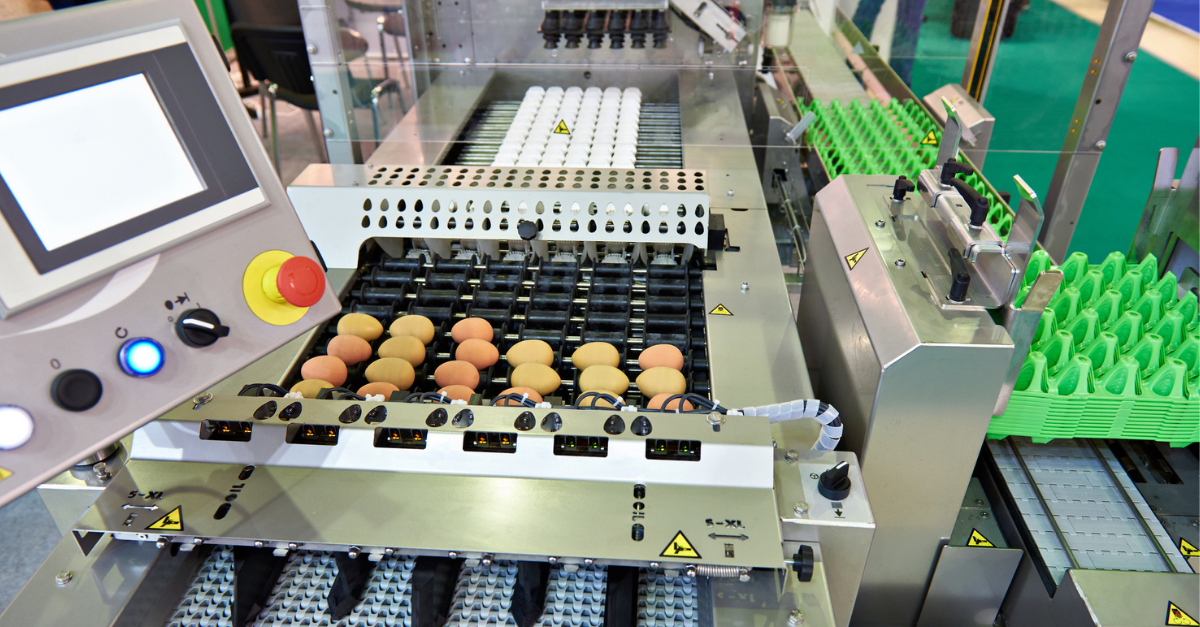
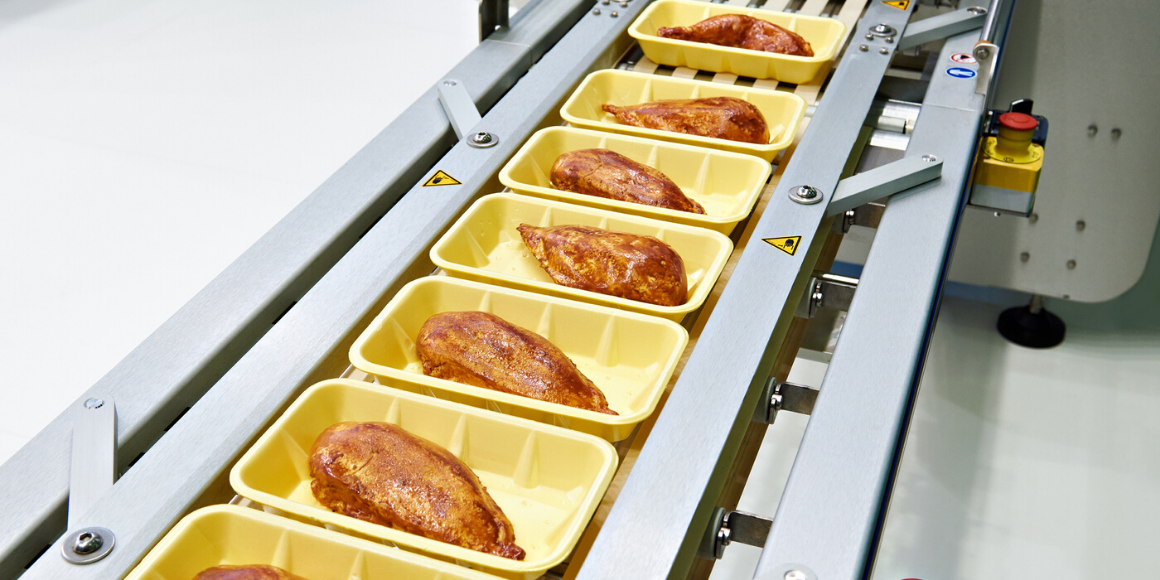
Food processors, as well as other consumer products manufacturers, often find that final emballage is a significant constraint on reaching débit goals. The interconnected components of a emballage operation must synchronize perfectly to achieve maximum output. Also, emballage materials are often difficult to work with, subject to damage, and affected by environmental factors such as humidity and temperature.
Because of ligne d'emballage problems, TRG calculations for emballage operations often produce erratic values as well as lower-than-desired scores. For the emballage supervisor, this means careful monitoring, close supervision, and well-trained operators. Worximity Technology's suite of production monitoring tools allows managers to see up-to-the-minute TRG results and line performance.
Following is a list of tips for overcoming some of emballage operations' major problems.
1. Maintain a Good Supply of Consumables
The COVID-19 outbreak has prompted a surge in sales for many food items. In response, processors are increasing débit to meet this demand and, as a result, are using higher volumes of emballage consumables. Running out of materials supplied by outside vendors, such as glue, tape, ink, films, paper, inserts, cartons, and labels, will bring the line to a halt. This stops production and lowers your TRG.
Before ramping up production and consumable usage, involve your suppliers. Together, develop a plan that ensures they can adequately supply the required volumes of quality consumables.
2. Watch for Parts and Component Wear
Emballage lines typically involve several integrated and synchronized operations that require perfect timing, feeds, and speeds. As parts wear, operators tend to adjust other components in the system to compensate for small problems. Ultimately, however, the entire system fails. Using valid TRG analysis and in-depth predictive maintenance, monitor parts wear and routinely change out worn and out-of-spec components.
3. Ensure Proper Maintenance Procedures Are in Place and Followed
Along with failure to lubricate équipement properly, the lack of routine cleaning and preventative maintenance can reduce operating efficiencies along with values from TRG calculations. Ensure operators are well trained in équipement set-up and take-down, operations, lubrications, and maintenance procedures.
4. Check to See That Equipment Is Properly Integrated and Synchronized
A well-balanced and successful emballage operation requires a large number of complex steps for handling emballage materials, such as folding, bending, handoffs, and printing. Any out-of-sync operations can stop the entire line. Careful attention to machine settings, material feeds, speeds, and parts wear can help improve line performance.
Creeping deterioration in performance can be seen in values from the TRG calculation. For example, drive chains may stretch and gradually cause synchronization failures, resulting in jams, off-center labeling, or other problems. Frequent monitoring of TRG can help identify a developing issue, allowing time to take corrective action.
5. Implement Process Redundancy
The costs of a ligne d'emballage going down can be high. In many situations, it makes sense to have the flexibility to switch to alternative emballage processes and bypass broken équipement. While this may seem expensive, the costs should be compared with the costs of lost production. Often, standby équipement can pay for itself. Production can continue while maintenance is being performed on the out-of-service équipement.
6. Ensure Operators Are Well Trained and Follow Procedures
Machine settings and product specifications are designed so emballage équipement performs at peak efficacité and functionality. Going “off-spec” can interfere with emballage équipement integration and slow production. Set-ups and adjustments should be carefully controlled through pre-established written documentation and carried out by fully trained operators.
7. Reduce or Eliminate Micro-Stops
Because product and emballage materials move through many steps in the emballage process, there are many handoffs at équipement junctions. Incorrect timing and machine integration can lead to frequent micro-stops along the line. Operators typically clear these. Though small, when micro-stops frequently occur, the impact on TRG calculations will be negative and can be significant. Carefully tracking TRG values can provide the information a manager needs to identify and correct these types of problems before production is significantly reduced.
Monitoring TRG is a key component of managing lignes d'emballage as well as overall usine effectiveness. Using trends in TRG values, process adjustments be made at the équipement level. Also, usine-wide values can indicate improving company ROI and increasing profits. Consequently, including TRG as a key management tool is essential in today’s highly competitive marketplace.
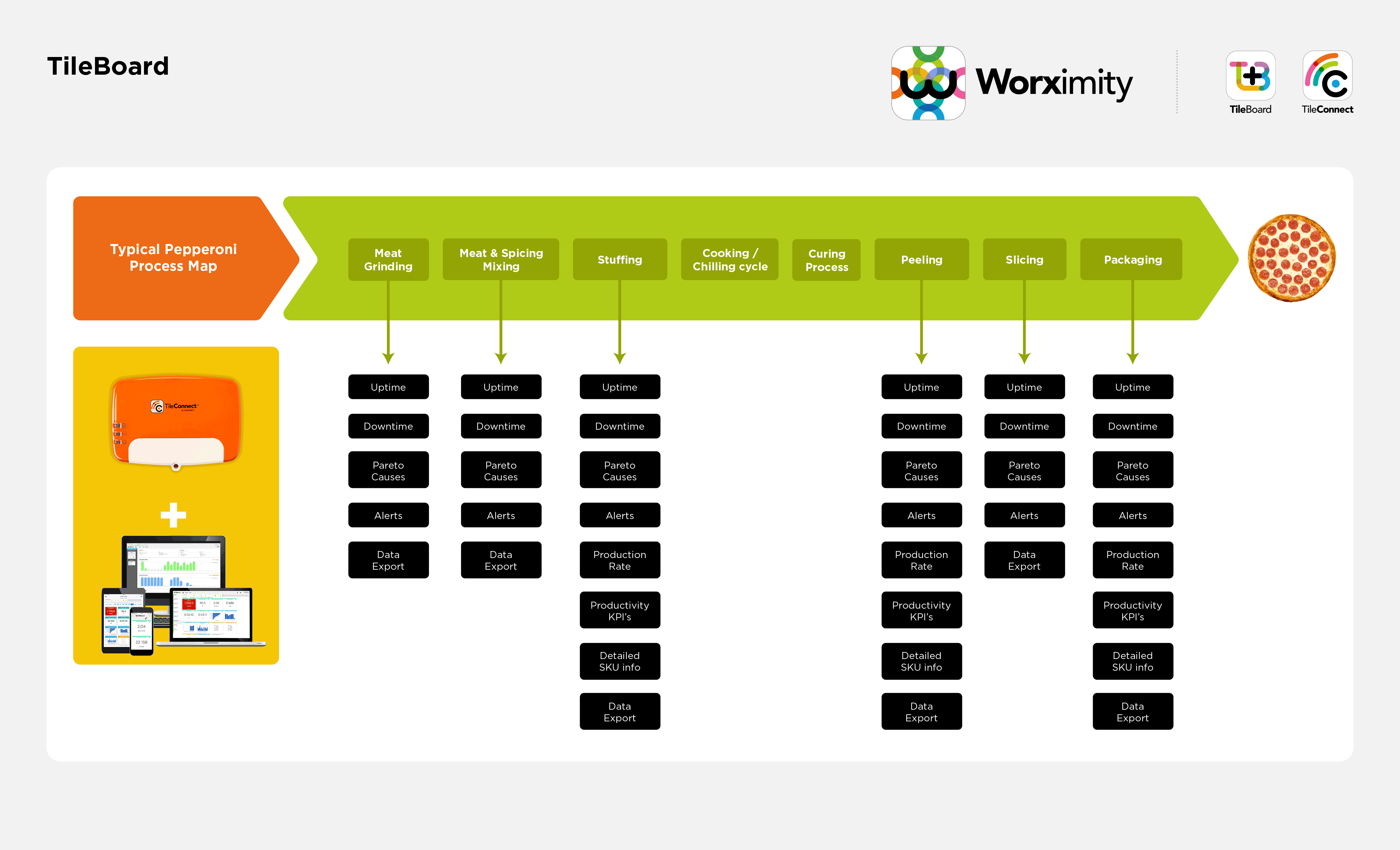
Paper-based data collection and performance tracking systems for lignes d'emballage fail to provide the amount or accuracy of data needed to make real-time operating decisions. To gain sufficient insight into line performance, high-tech devices such as Worximity's TileConnect sensors are required. These sensors are fastened to équipement and record operating data in real time, including micro-stops, creeping performance deterioration, and major stops. This data is stored in the cloud and used by Worximity's Usine intelligente analytics software to monitor TRG and other important indicateurs (indicateur (KPI)). For questions or a full demo, connect with Worximity via our request-a-demo page or at 844-303-8453.