
There are at least two ways to improve your usine layout. The first is to take your existing layout, keep it as is or make minor adjustments, and find ways to improve its output efficacité. This is the easiest and most cost-effective way to improve efficacité for existing usines.
Another option is to make major changes to your usine layout. Doing so can be quite costly. Of course, when designing and installing a new ligne de production or even a new usine, using data and analytique manufacturière from other existing usines or previous installations will prove useful.
In either case, analyzing your manufacturier data based on your indicateurs (indicateur (KPI)) is necessary. In the past, this meant manually capturing data and putting pencil to paper to determine results that you could act upon. Today, it's possible to automate the process, getting results in real time and creating a plan of action that improves your process almost immediately.
Before we get more into that process, let's take a look at some of the history or backstory of manufacturier itself.
A Brief History of the Manufacturier Process
It’s interesting, even helpful, to study the history of any process or task performed by humans. In the industrial markets, knowing the history behind the manufacturier processes involved proves quite invaluable.
Manufacturier practices were often guided by trial and error in the past, but today it's different. Lean manufacturier practices are now enhanced by analytics software and new data collection technologies.
When you know where you came from and how you got there, you can often influence where you're headed in the future. Studying human behavior to some degree also provides value when designing the manufacturier layout or process. For example, People are predisposed to using some form of assembly line structure for involved or complex tasks.
Picture, for instance, a cafeteria line in a school lunchroom. A student takes a tray, places it on a rack or track system, then moves down the "assembly" line. Stopping at the first "station," the student onboards vegetables and other sides. The next station serves up the meat of the day. Further down the line, dessert and beverages are offered up in their cubbyholes. Finally, eating utensils and napkins are available at the end of the process. And it’s not difficult to keep the "chaîne d'approvisionnement" filled because the individual items are easily monitored and refilled.
This example may be a bit facetious, but it illustrates the daily operation of many usines.
Indeed, the assembly line forms the backbone of most—if not all—manufacturier processes. Without it, the process becomes disjointed and unorganized at best. Over the years, smart innovators studied assembly lines with a keen but somewhat limited eye. Implementing changes was time-consuming and laborious.
Today, we have the technology to gain deeper visibility into the manufacturier process and improve business performance more quickly. But a little history lesson never hurt anyone ... and we can learn a lot from our manufacturier predecessors.
So where did the assembly line process come from?
The answer may surprise you.
The Agroalimentaire Industry Should Take Pride
When asked who invented the assembly line, the answer most people give almost immediately is Henry Ford, the United States automobile guru.
Actually, that answer is not entirely true.
Though Ford definitely improved upon it, he wasn't the inventor of the process. According to an article on Britannica.com:
Though prototypes of the assembly line can be traced to antiquity, the true ancestor of this industrial technique could be found in the 19th-century meat-processing industry in Cincinnati, Ohio, and in Chicago, where overhead trolleys conveyed carcasses from worker to worker. When these trolleys were connected with chains and power was used to move the carcasses past the workers at a steady pace, they formed a true assembly line (or, in effect, a “disassembly” line in the case of meat cutting). Stationary workers concentrated on one task and performed it at a pace dictated by the machine, thereby minimizing unnecessary movement and dramatically increasing productivité.
Ford based his concept of the assembly line from this early invention, but there were a few other innovative steps involved in the process. The assembly line (or, in this case, disassembly line) was just one step in the march toward mass production of goods.
Another hurdle to be jumped on the way to full implementation was standardization of parts. That standardization came not from the food industry but from firearm manufacturier. In the early days of firearm manufacturier, each weapon was handmade and therefore unique. Parts from one rifle or pistol would not work on another one, even of the same model.
That also meant that field repairs were difficult, if not impossible.
French gunsmith Honoré Blanc came up with the idea, but it wasn’t until 1798 that a contract was awarded to Eli Whitney (of cotton mill fame) and the idea really took root and was more fully developed.
By the way, in 1793, British naval architect and mechanical engineer Sir Samuel Bentham introduced a similar concept for the manufacture of components used in ships' rigging.
Even before Ford tried his hand at the assembly line (which was quite crude in the beginning), Ransom E. Olds, another pioneer in the automotive industry, developed a stationary assembly line for the Oldsmobile and REO brands.
With Ford's assembly line, the technology morphed from ropes to mechanized, motor-drive chains, belts, and conveyors.
All of this leads to one major concept. Throughout the ages, leaders in manufacturier collected data from the process, scrutinized that data (a rudimentary form of analytique manufacturière), and made improvements to the overall process that reduced costs and improved efficacité. Most importantly, these improvements drove higher profits.
You can do the same.
Analytique manufacturière Trends Move the Market Forward
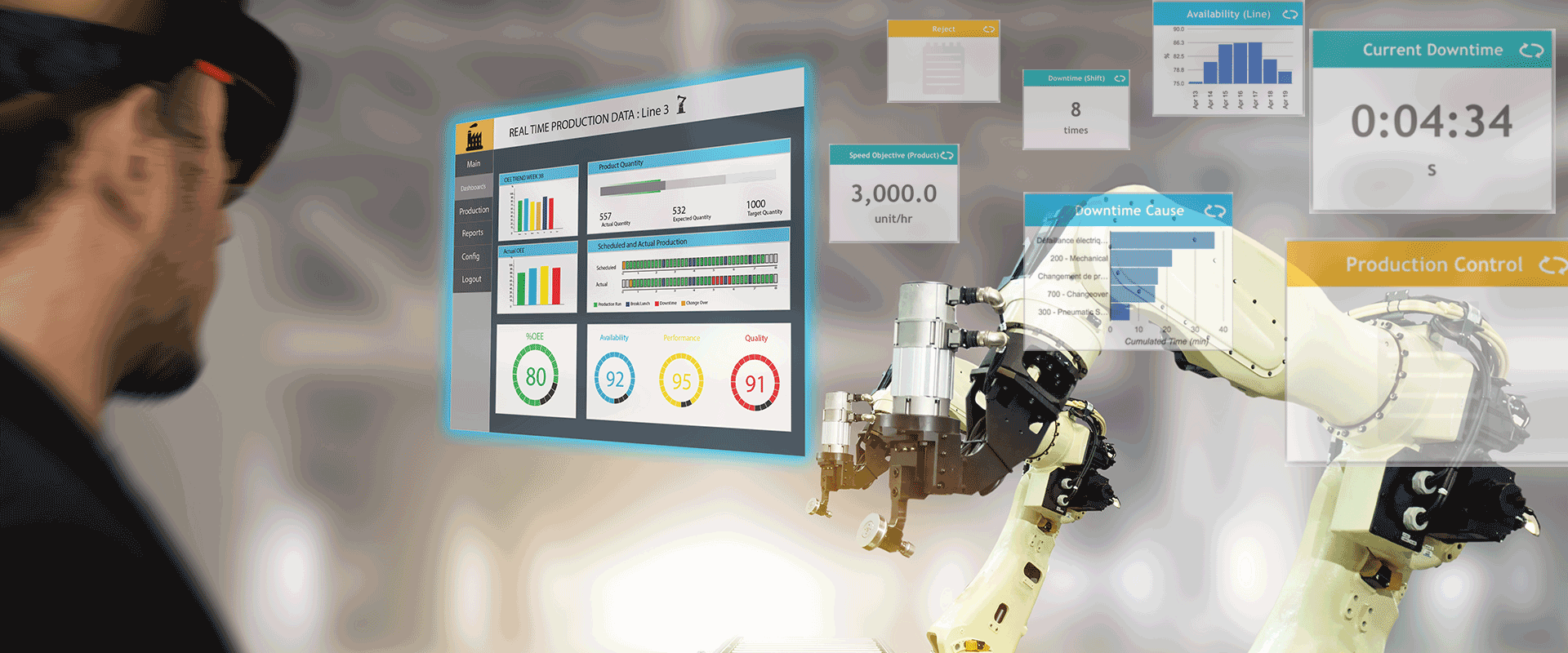
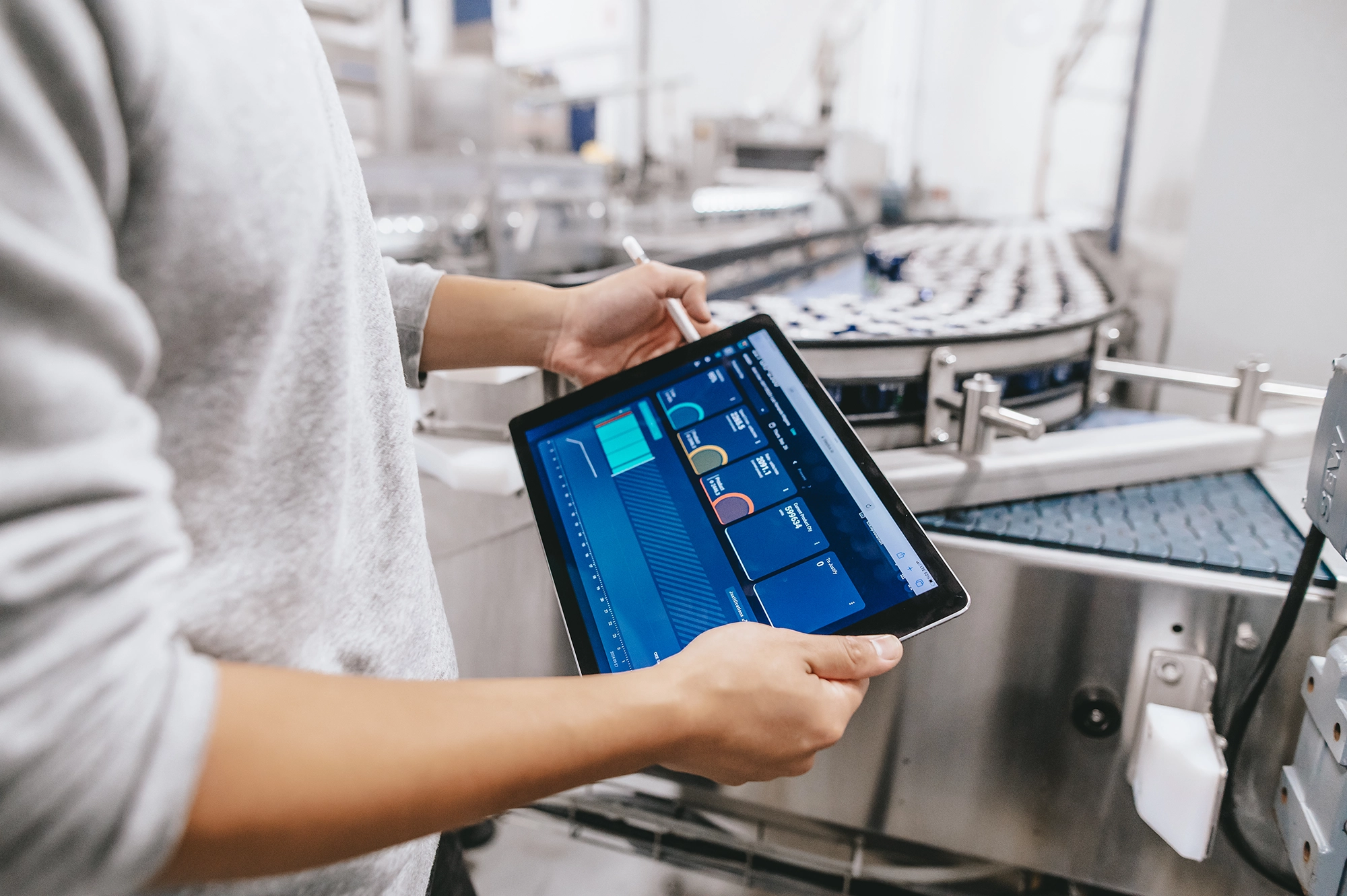
Some manufacturers haven’t quite caught up to current possibilities and are still collecting data manually. Automated data collection is the way of the future, done through sensors and équipement connected to the cloud, dispersed in real time to those who need the information, and acted upon almost immediately.
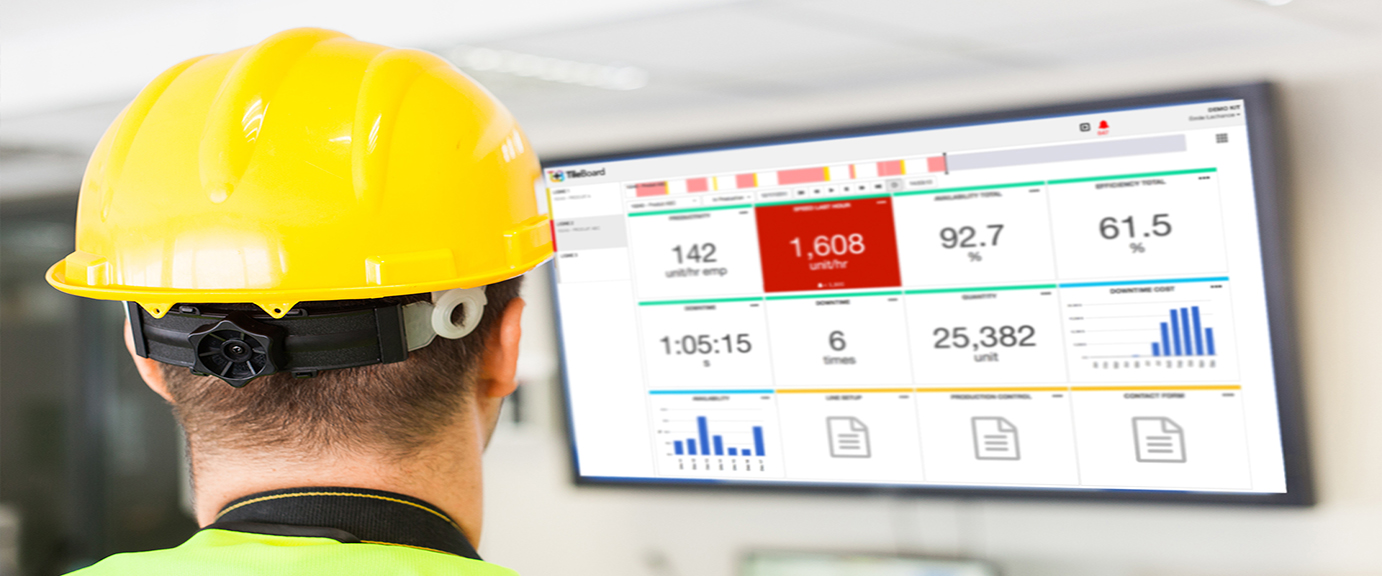
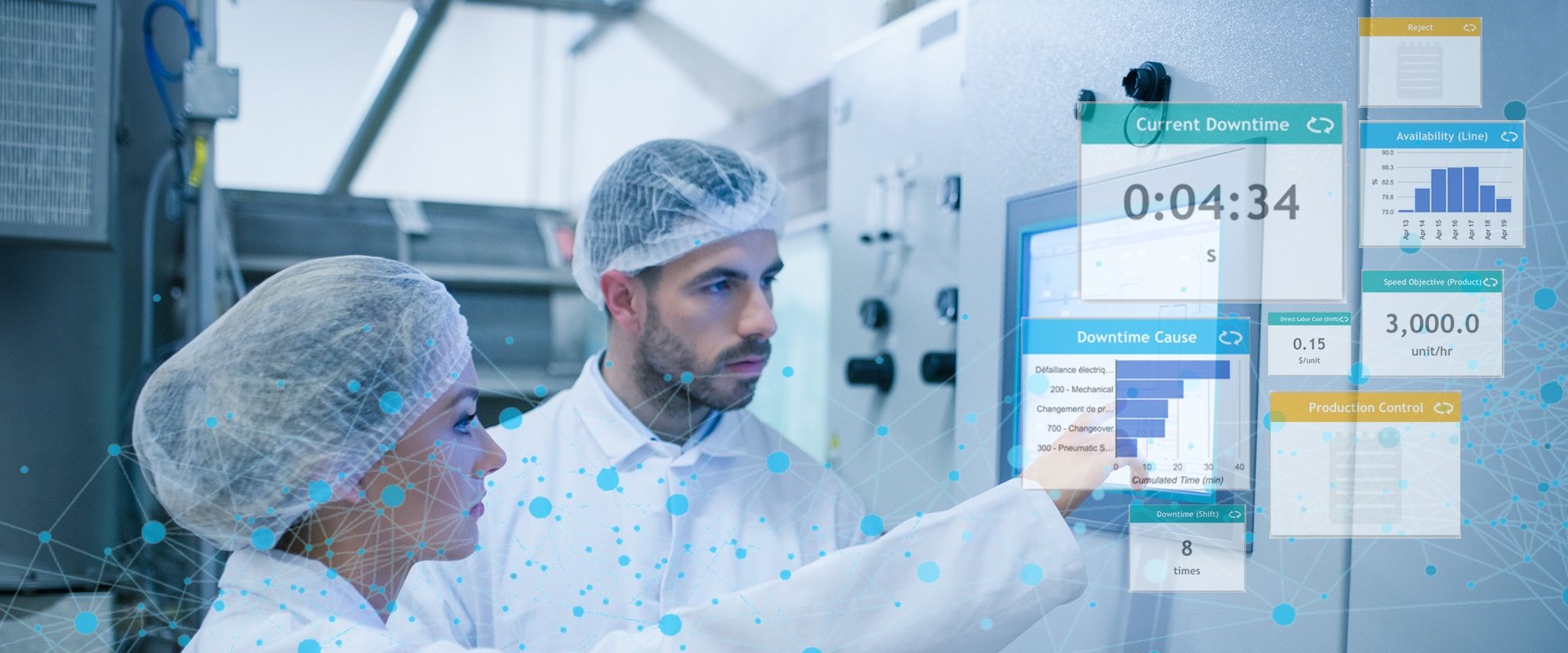
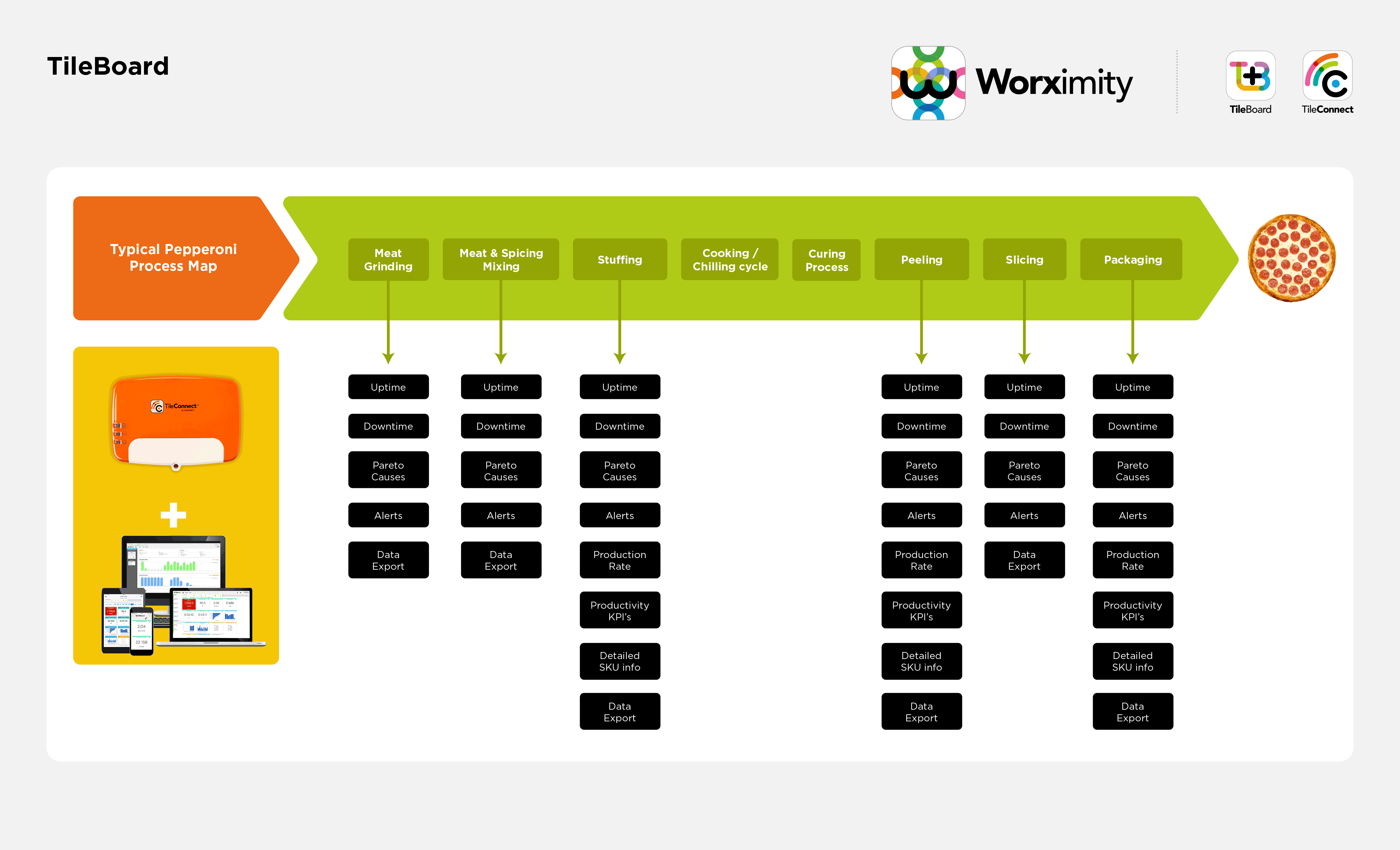
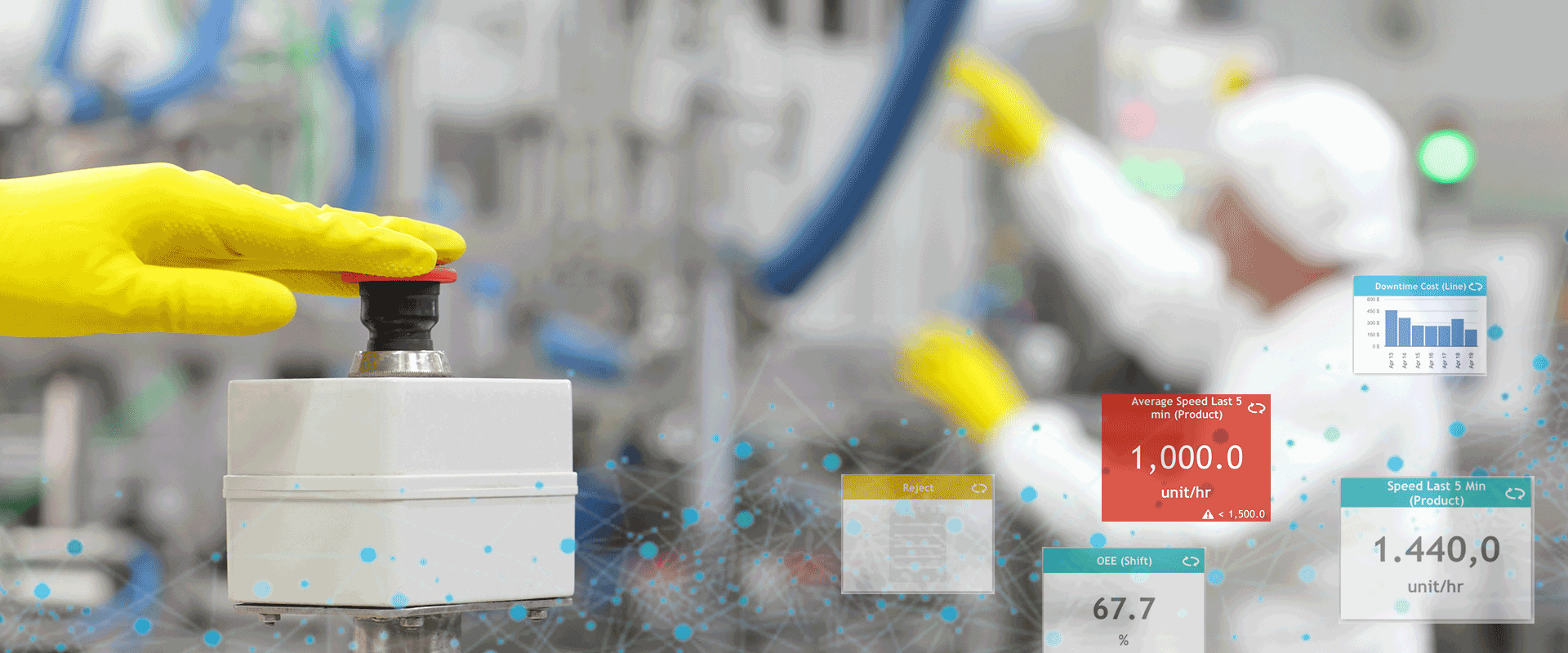
The data collected is shared through a software-driven analytique manufacturière dashboard. The software crunches the numbers and displays the results in various formats, including Pareto charts, to determine where bottlenecks and inefficiencies exist. By understanding and using that data, you can implement changes to modify the usine operation or layout, if necessary, and improve TRG.
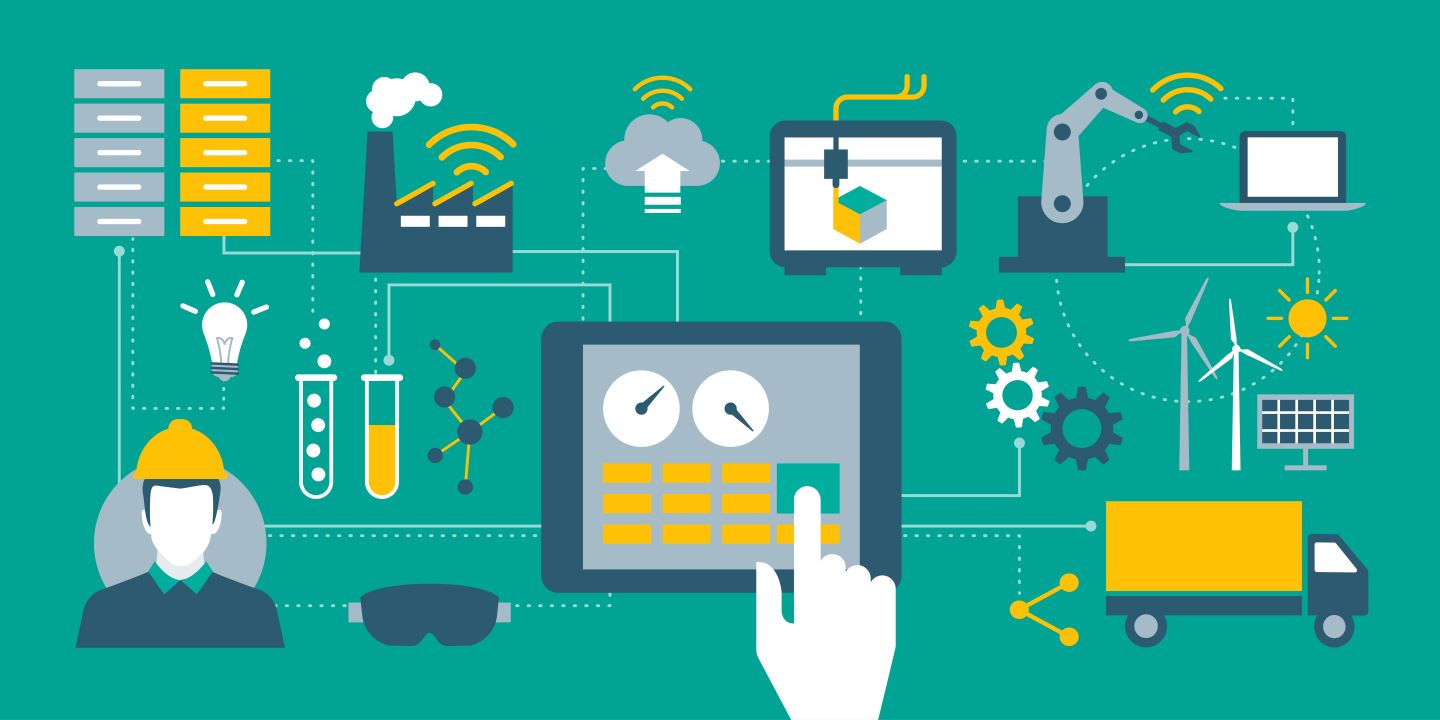
Ready or not, the Industrial Internet of Things and Industry 4.0 is here, designed to take manufacturier efficacité to the next level ... and beyond. You, as a professional in the manufacturier industry, must be prepared to take advantage of this data and analytics revolution.
How do you do that?
An April 2021 article from the World Economic Forum website presents a three-pronged approach to taking advantage of this "usine of the future" technology. In the article titled “How to master manufacturier's data and analytics revolution,” they explain this "triad of interconnected success factors" and how successful companies employed them:
Successful companies have demonstrated that three elements must be combined to drive full-scale implementation of data and analytics. First, they focus on value in selecting applications. Second, they establish a solid technological backbone comprising both information technology (IT) and operations technology (OT). Third, they promote organizational readiness to ensure that investments deliver the anticipated returns.
Notice what's bolded. Organizational readiness is crucial to ensuring the success of this important step. You've got to have buy-in from every level of your organization, from the atelier to the boardroom door. And your team needs instruction on how to properly analyze and act on the data collected. That is organizational readiness.
Whether it be operators gathering real-time data and acting on it or the management team studying a analytique manufacturière dashboard and making future decisions based on that data, you need the power of a team.
Putting that all together is a tall order. For many, this is new and unknown territory. And it's definitely not the place for a trial-and-error approach.
Worximity can help.
In the free E-book, Usine intelligente Analytics, we'll guide you through the process of beginning your Industry 4.0 transformation. In the E-book, you'll discover:
- A Usine intelligente roadmap
- What it takes to become a Smart Food & Beverage Factory
- How becoming a Usine intelligente impacts your business
- What ROI you can expect from your transformation
As we mentioned in the beginning, there are two ways to look at improving your usine layout more efficiently through understanding and acting upon analytique manufacturière. Creating an analytics strategy to identify bottlenecks and areas for improvement is often the most cost-effective way to increase productivité.
This free E-book will guide you in the process of creating that strategy. Download your copy today.