Lean Manufacturing identifies different types of waste in manufacturing processes so that these can be identified and eliminated. In this, Part 5 in our 8 Part Series, we discuss Transport Waste.
Transport waste is when a product that is meant to be used in manufacturing is moved or touched unnecessarily. Moving not only costs money, but can also result in the increased risk of that product being damaged, lost or misused.
Lean Manufacturing negates the issue of transport waste due to the pre-assembly and pre-fabrication of parts that occur prior to their arrival at the manufacturing site. Once the pre assembled parts arrive at the manufacturing site they do not need to be transported again.
Many manufacturing businesses use significant resources including people, machinery, energy and time moving products around. When products are being moved, unless there is some value added to the product (perhaps like fruit ripening during transport) then there is only cost produced.

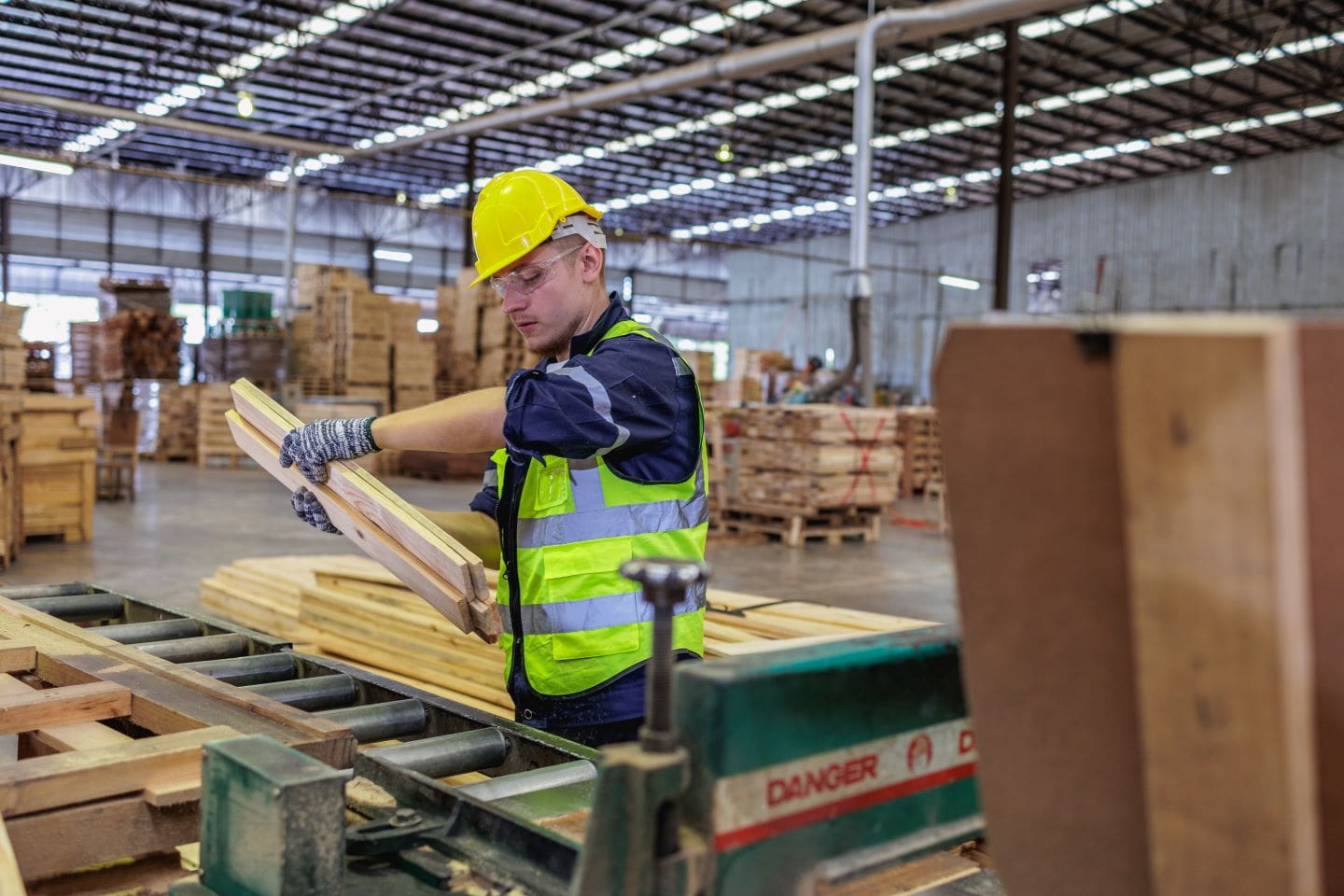
Transport waste in manufacturing can include the movement of employees, tools, inventory, equipment or end products more than is absolutely necessary to achieve the production goals. Too much movement not only costs money directly, but can lead to unnecessary wear and tear of production resources, injured people as well as potential product damage as noted above.
Companies have solved transportation waste in many innovative ways. For instance, having U-shaped production lines or creating flow between what are otherwise linear processes are ways that companies can minimize having to move people, machinery, tools or inventory unnecessarily.
More often than not, Transportation Waste is caused by:
- Unnecessary steps in a process
- Poor production layout
- Process flows which are not aligned
- Not well designed systems
Treating Transportation Waste is most often an exercise in common sense. Simplifying processes, adjusting physical layouts, rationalizing processes to minimize product handling, shortening steps between process steps for people.
The eight wastes of lean manufacturing can be remembered with the acronym DOWNTIME:
Read Types of Waste in Lean Manufacturing—Part 6—What Is Inventory Waste?
Download our Free Lean Manufacturing Industry 4.0. to understand how technology can help you reduce your waste.