10/8/18

The first 3 steps to becoming a smart factory

In its Smart Factory 101 ebook, Worximity outlines 5 steps for manufacturers who want to make their plant smart. This article covers the first 3 steps: connect equipment, improve productivity, and compare to better predict.

Smart Factory
The first 3 steps to becoming a smart factory

To take the Industry 4.0 turn, it's important to build a game plan broken down into simple, achievable steps.

Drawing on its experience with North American, Mexican, Australian, and European manufacturers, Worximity refined its game plan into 5 steps that propose a natural progression toward the connected factory.

1. Connect and monitor your equipment

The first step to becoming a smart factory is to get reliable, real-time operational data. To do that, many technologies exist to connect equipment, systems, and software already deployed in plants in order to centralize data and provide a global view.

While the most modern systems already deliver a large volume of data through the PLC screen, older machines can pose a connectivity challenge. Sensors installed on legacy equipment can quickly make them smart. Sensor and PLC data can then be combined to provide global visibility on plant-wide operations. Line speed, count and duration of downtime, and availability are all key performance indicators that can be obtained through real-time equipment monitoring.

2. Improve productivity

Now that equipment is connected and the data provides an accurate picture of team and equipment efficiency, overall plant performance can be measured and improved. Standards can be set and automated alerts programmed to warn stakeholders as soon as a slowdown is logged. This higher responsiveness helps reduce downtime and improve production cadence, making manufacturers more productive and more profitable.

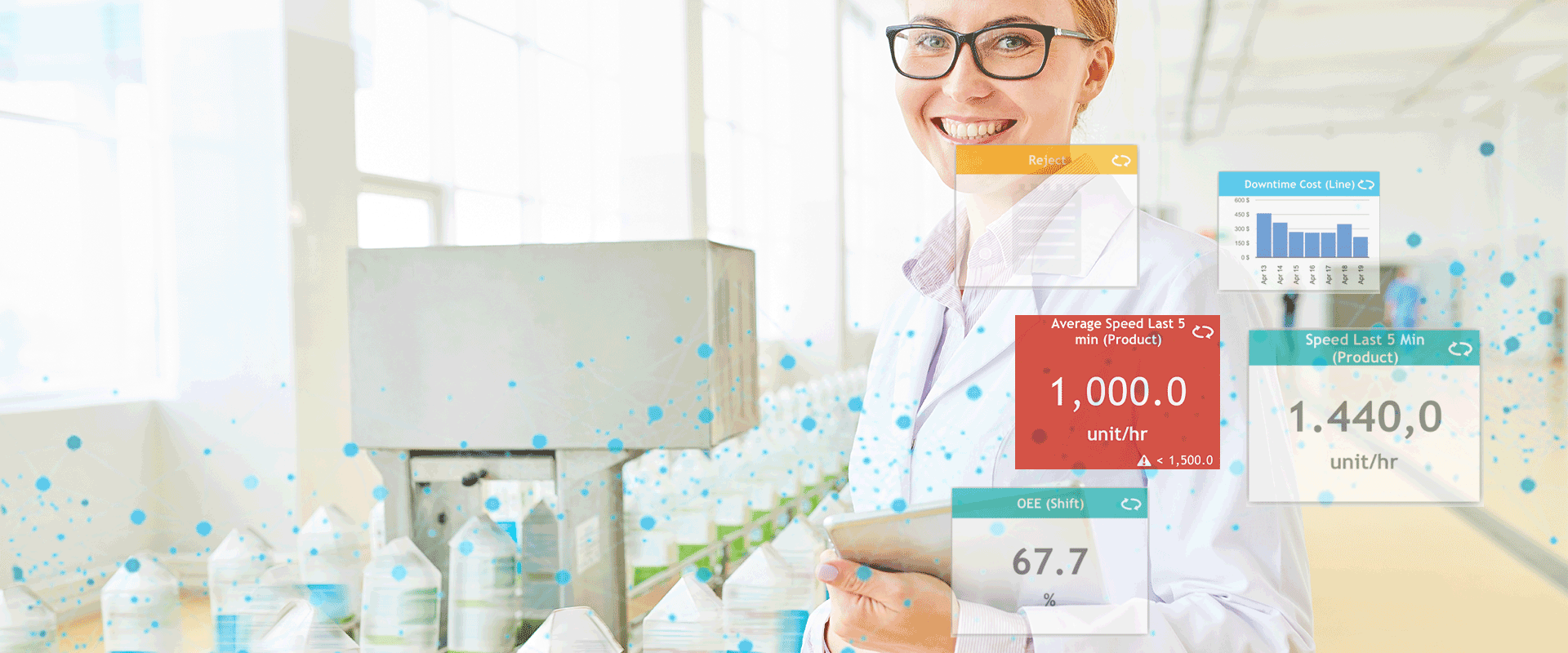
Displaying real-time production data on large screens placed strategically in production areas is a great way to engage teams in hitting targets and make employees proactive in solving problems.
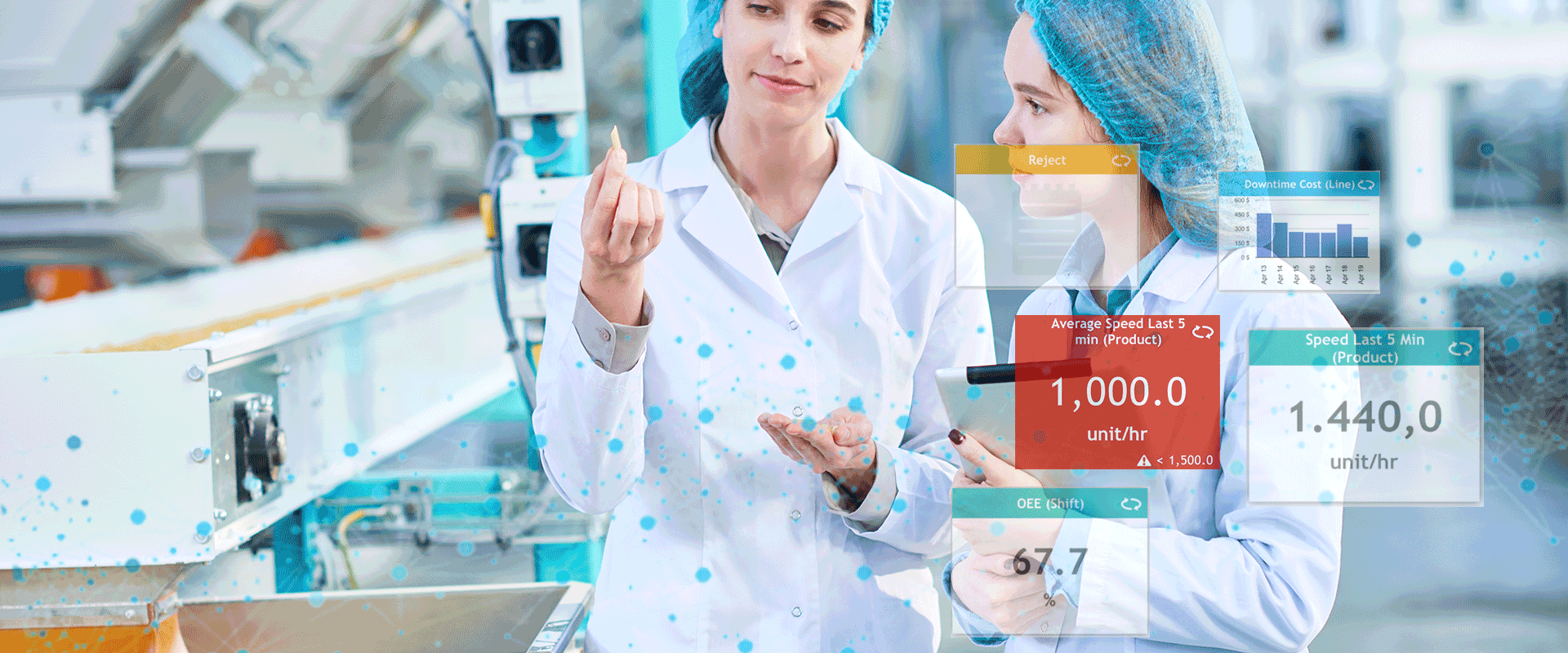
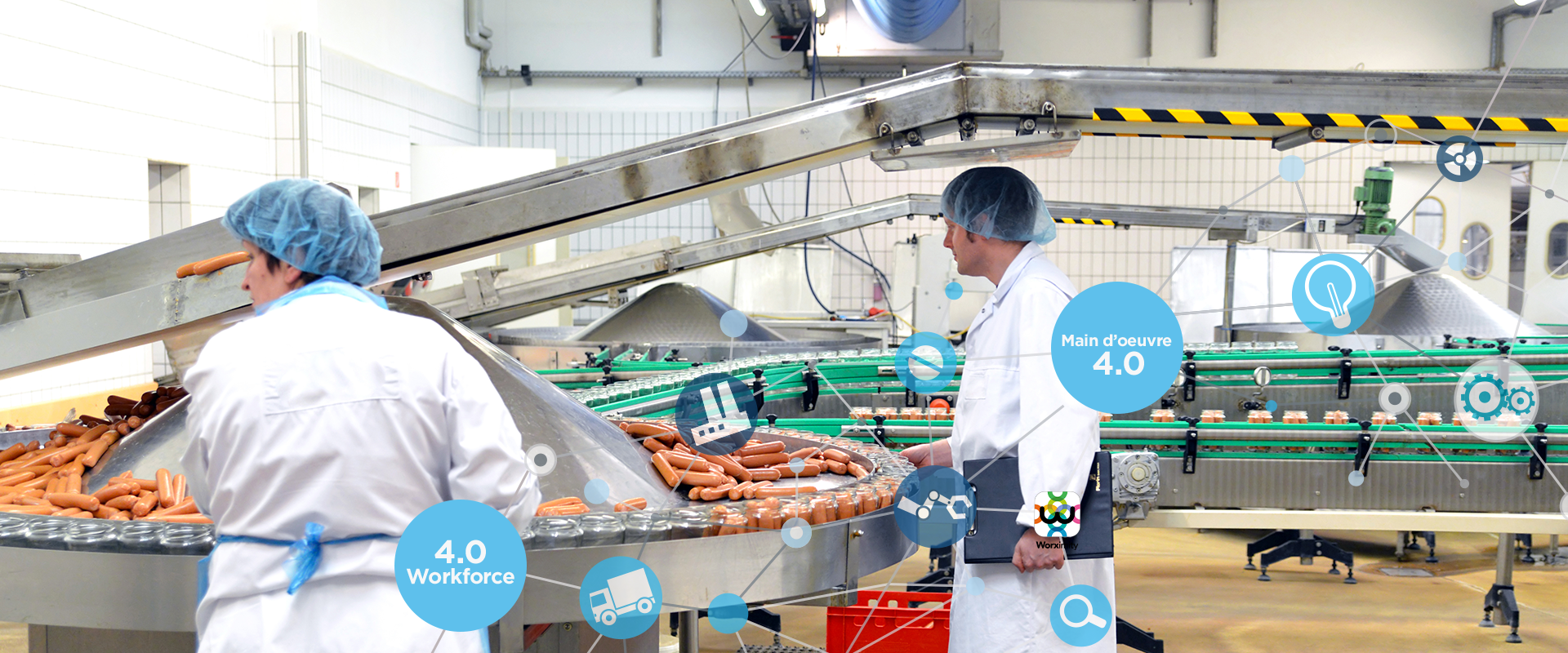
Worximity Food and Bev Monitoring Software workers

3. Compare to better predict

Data compiled over time will be very useful for spotting trends. By comparing production data across products, shifts, and teams, it's possible to identify best practices and winning recipes and roll them out across the company.

Data scientists can also break the data down even further and sketch predictive models that help managers make strategic business decisions based on reliable data.

Learn more about the 5 steps (the first 3 of which are covered in this article) to become a smart factory by downloading our ebook Smart Factory 101.
 

Want to learn more?
Download the ebook
Related blog articles

Related articles

Back to the blog
Thank you! Your submission has been received!
Oops! Something went wrong while submitting the form.
4
Mar 2019

Looking for a solution to the labor shortage?

English
30
Mar 2020

Industry 4.0 — driving change in manufacturing and operations

English
2
Jul 2019

Succeeding in Industry 4.0 with Agile Leadership

English

Related articles

Back to the blog
Thank you! Your submission has been received!
Oops! Something went wrong while submitting the form.
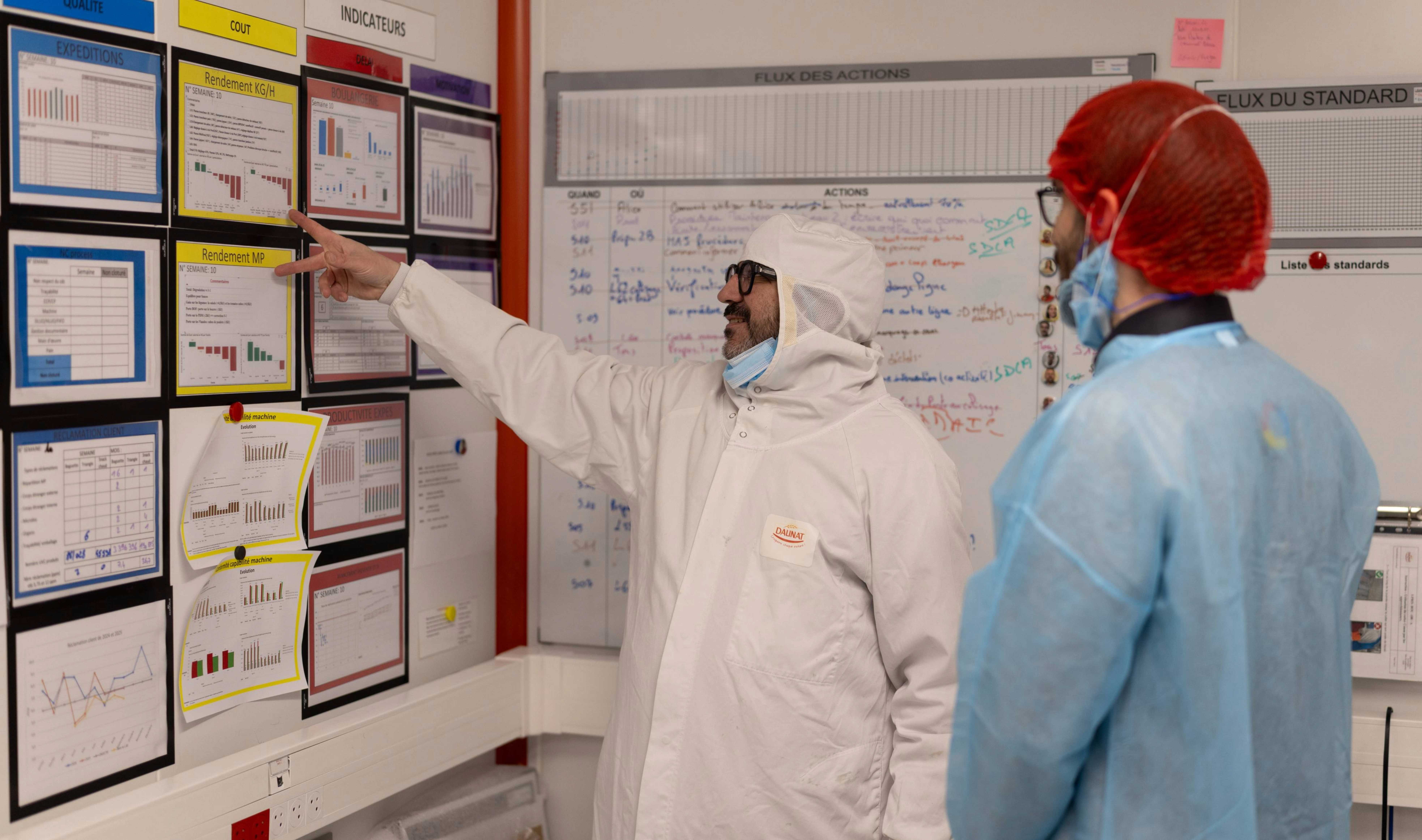
Laboratory technicians in protective clothing analyzing samples and monitoring equipment in a modern industrial or scientific facility, representing data analysis, quality control, research, and operational excellence.
25
Apr 2024

How to Analyze Throughput Rate

Throughput rates are an important measure of factory performance. Not only does throughput indicate whether the factory can meet customer demand, but it's also an indicator of overall plant efficiency.

English
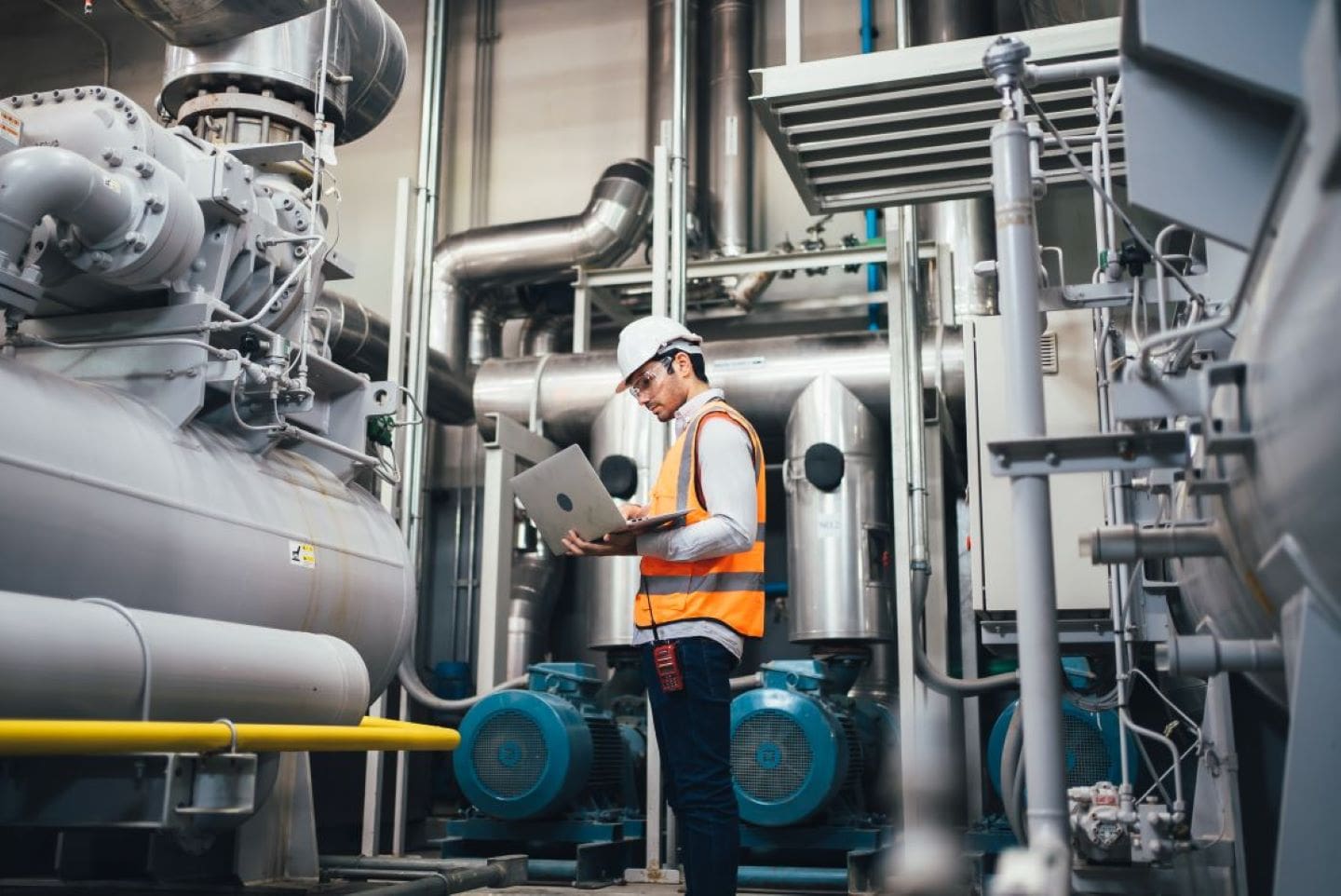
Industrial machinery and processing equipment inside a manufacturing facility, featuring pipes, tanks, and automated systems
13
Mar 2024

Engines of Manufacturing Efficiency: Machine Monitoring and OEE

Machine Monitoring and OEE (Overall Equipment Effectiveness) are effective at boosting overall efficiency, but what is the difference between them and what is best for your operations?

English
Person using a laptop with digital dashboards displaying charts, graphs, and performance metrics, representing data analytics, business intelligence, real-time monitoring, and data-driven decision-making.
23
Jan 2024

Optimizing Company-wide Operations: Data Analytics in the Manufacturing Industry With Worximity

Explore how Worximity is reshaping manufacturing by harnessing real-time data analytics, bringing efficiency and innovation to Industry 4.0 while empowering departments beyond production management.

English