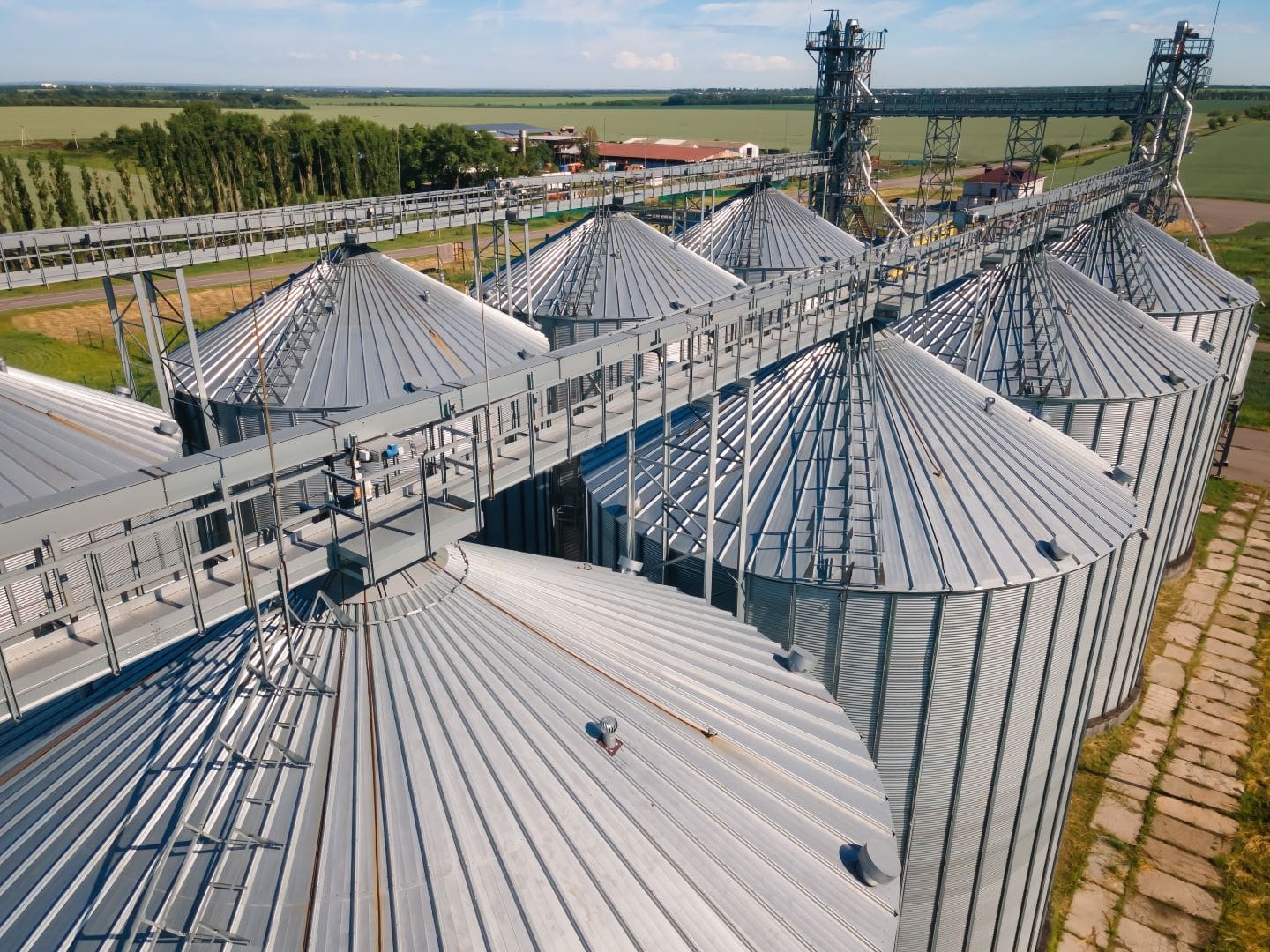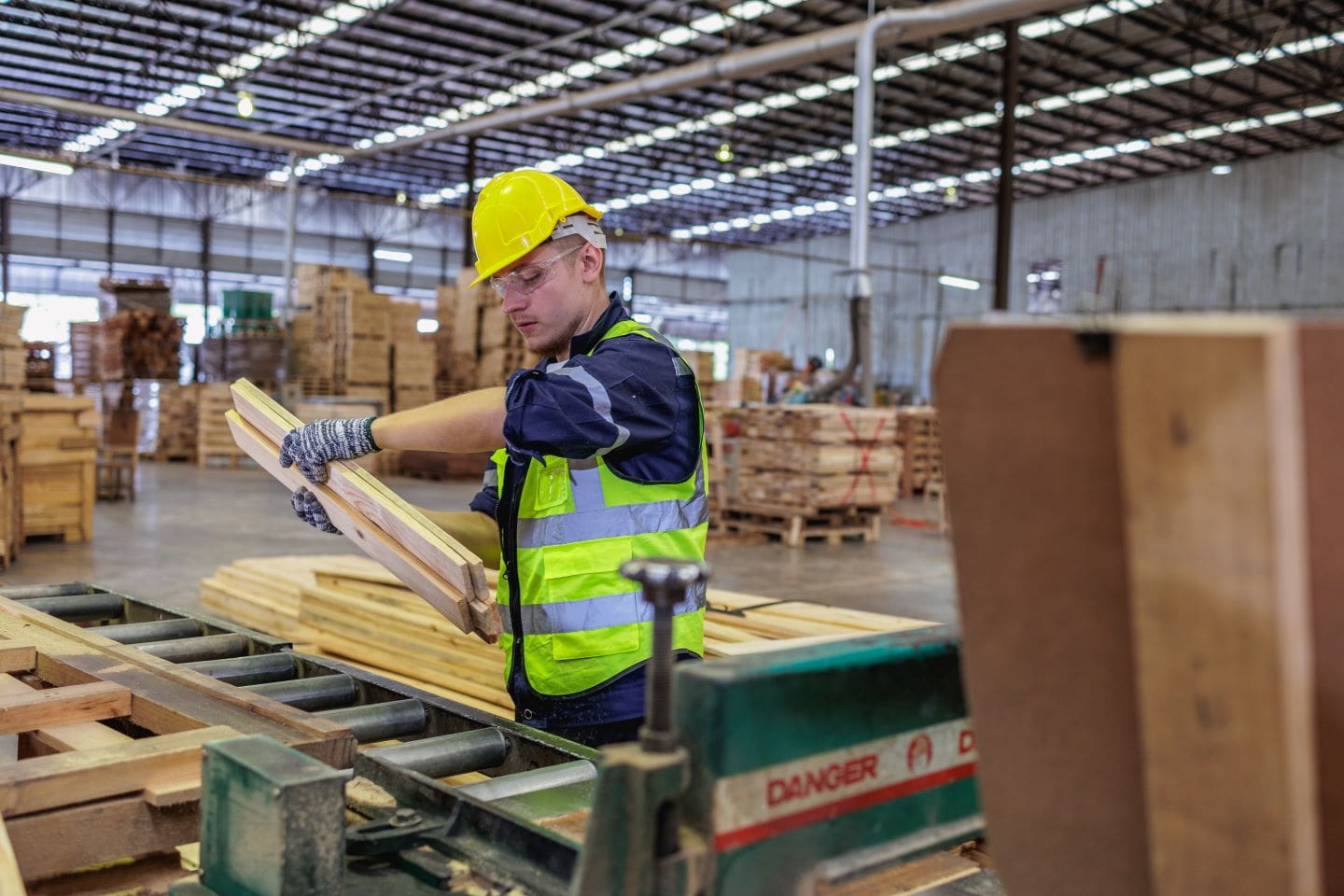

Among the types of waste identified in Lean Manufacturing is Inventory Waste. Inventory waste is inventory that is left untouched waiting to be used. This wastes space as well as the capital used to purchase the inventory without immediate financial returns.
With the implementation of Lean Manufacturing, all inventory is accounted for prior to being ordered and the foreman on site knows exactly how inventory will be used. Lean Manufacturing enables a continuous workflow and creates a more predictable schedule, lessening the inventory that is over-ordered or never used.
Holding inventory ties up capital, and therefore costs money. Inventory can be all raw materials on hand, materials in the production process, completed products or products in transport to end customers. Excessive inventory can also mask other types of waste by having ‘just in case’ inventory on hand to make up for defective products being produced. It can also exacerbate waste such as the overproduction of defective parts, increasing the impact of defects waste or costs of rework.
Anytime materials, parts, assemblies or products are sitting not having value added overhead is being increased.
Inventory Waste is often related to Motion and Transport Waste and be be driven by:
- over-purchasing, including when perceived savings can be had through bulk discounts
- overproduction of parts, assemblies or end products
Since Inventory waste can also include any material that has been purchased that is not being used. Unused or broken machines can also be considered inventory waste as they can be taking up capital directly, or indirectly through requiring capital to be expended housing them. In fact, an often unseen impact of inventory waste is the accumulation of space that must be owned or leased, maintained, heated, lit etc.

Inventory Waste in often caused by:
- Unreliable supply chains
- Not understanding demand
- Long setup times
- Production speeds that are not aligned between production areas
- Overcapacity in some areas and undercapacity in others
- Poor monitoring systems
Steps to take to reduce or eliminate Inventory Waste include:
- obtaining raw materials only as necessary and in only the quantities needed
- reducing buffer inventory between process steps
- moving to a ‘pull’ or Kanban system of manufacturing
"Since inventory waste can be managed by reducing buffer inventory between production steps, a Smart Factory Analytics solution can quickly be implemented with custom dashboards that will provide insights into how inventory is moving, or not moving, through a production system." - Claude Archambault.
The eight wastes of lean manufacturing can be remembered with the acronym DOWNTIME:
Read Types of Waste in Lean Manufacturing - Part 7 - Motion Waste.
Download our Free Lean Manufacturing Industry 4.0. to understand how technology can help you reduce your waste.