In the first article of this series, we've covered the primary steps involved in smart meat process. This second rubric brings emphasis on the secondary activities associated with meat processing and puts forth the most common KPIs that are observed.
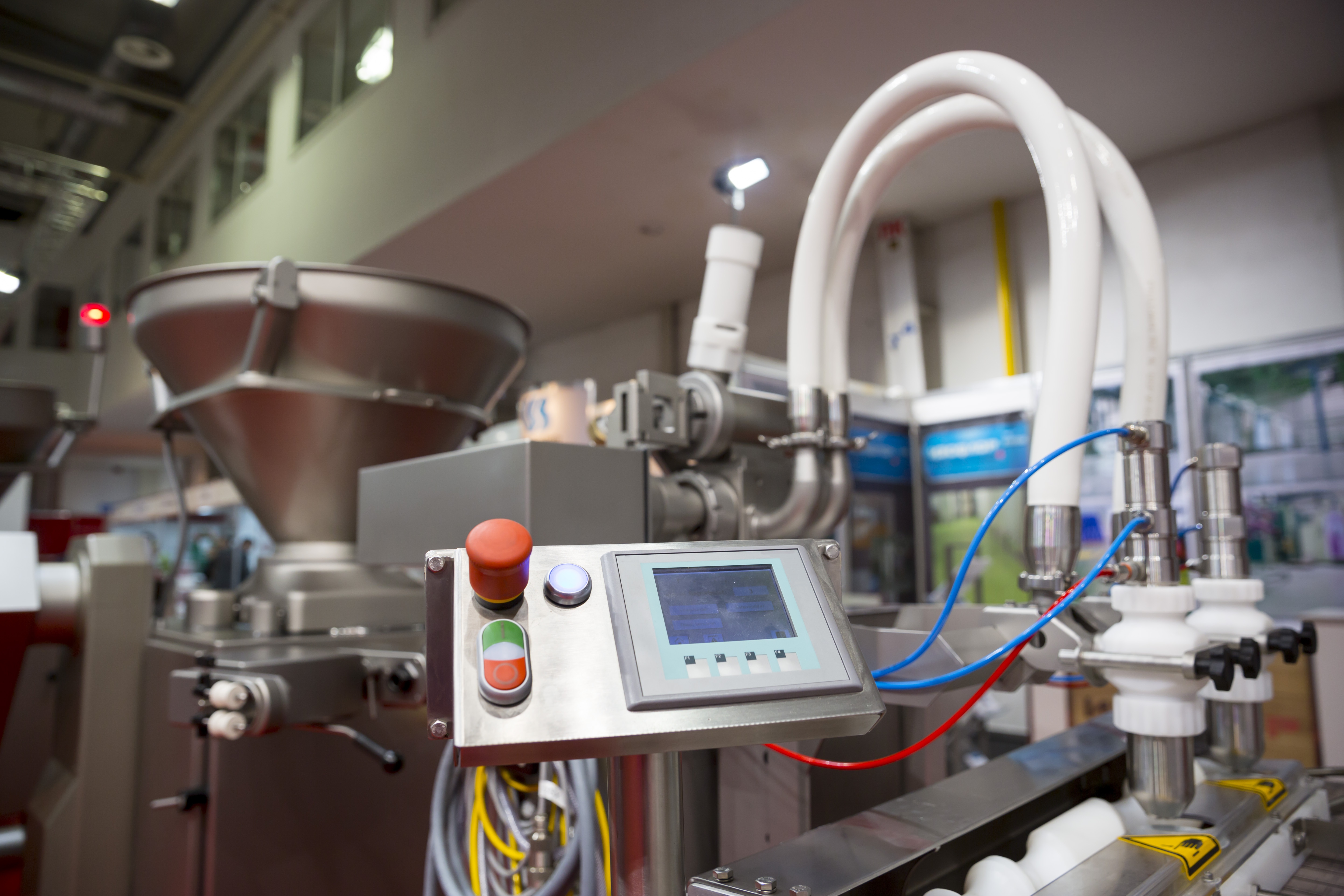
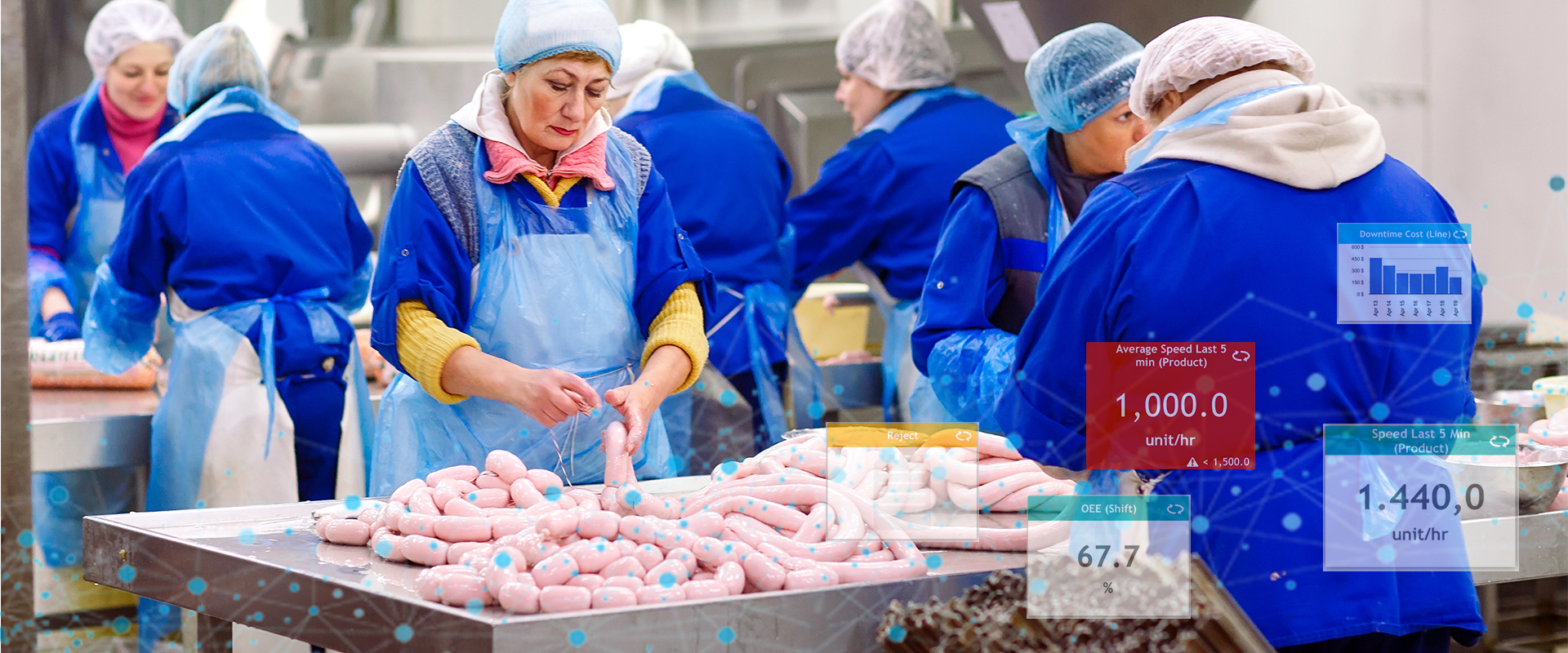
After mixing, the next typical step in the meat processing value chain for producing deli sausage is stuffing. Once the meat has been stuffed, it will be placed in a cart (often called a truck) and the deli sausage moves to the smart conditioning process for cooking, curing, or for further distribution.
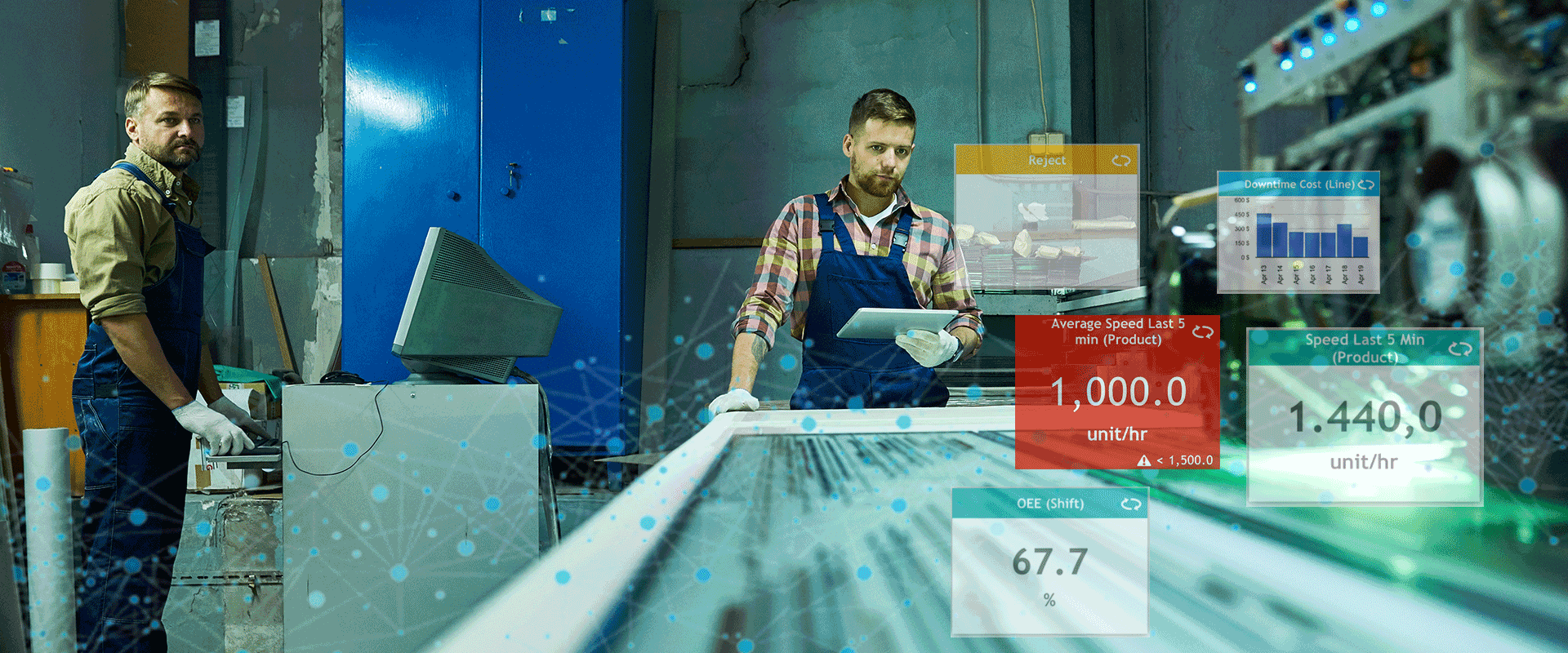
To maximize throughput productivity at this time, the production manager should reduce downtime, decrease operator reaction time, track downtime causes, and increase uptime.
Stuffing
Once the stuffer portions the product, the meat producer feeds a natural meat casing on to the stuffer filling tube, which will form and link the sausages. Ground and mixed (homogenized) product is pumped into the casing by the stuffer.
Forming
When the sausage fills the casing, the stuffing machine also forms the meat. It will evenly portion the product to the desired shape and size. To ensure consistent form, the meat producer maintains constant casing tension with the adjustable sausage rollers as the sausages are linked and exit the machine.
Once the sausages have been formed and linked, they are bundled for hanging or hooked onto a conveyor machine for hanging. They're ready for the next step, the Smart Conditioning process, which will be touched upon in the next article of this series.
If the machine doesn't work, you won't be able to fill the oven or the curing chambers in time.
Key Performance Indicators
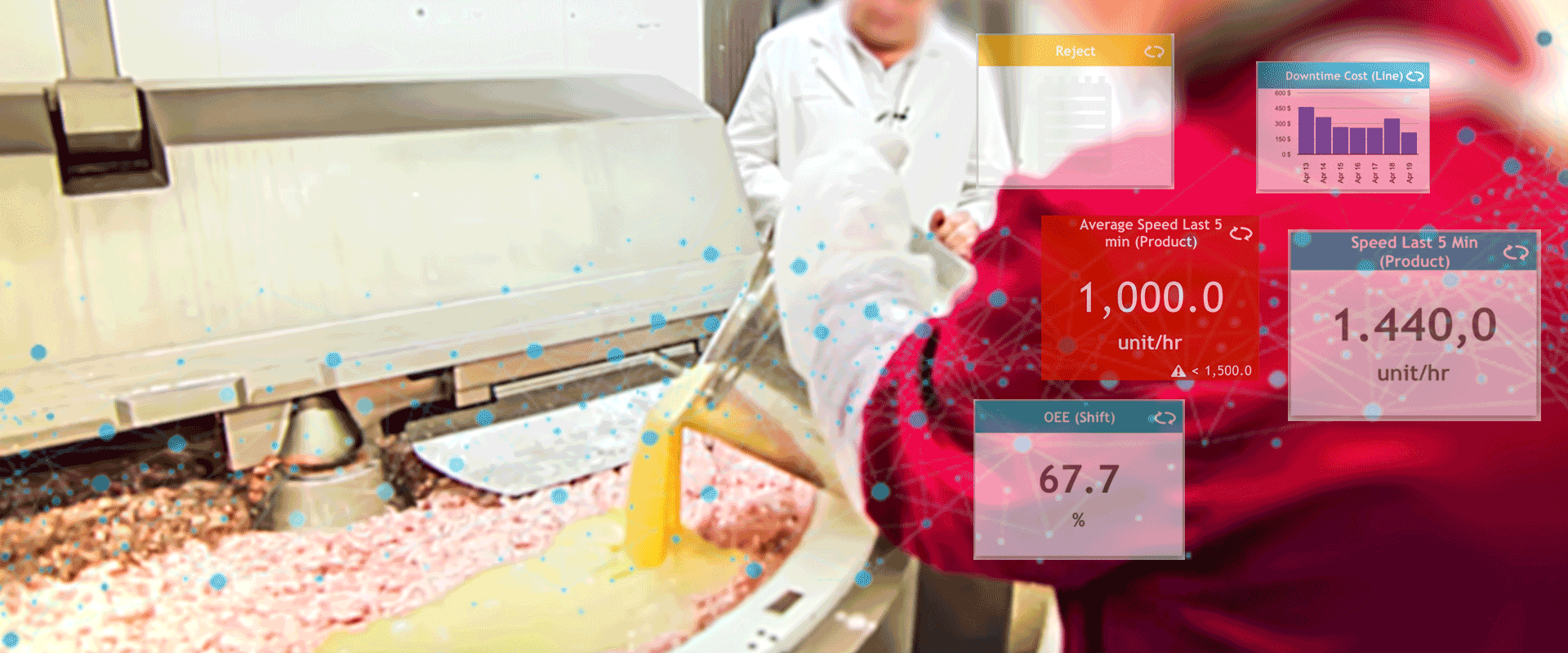
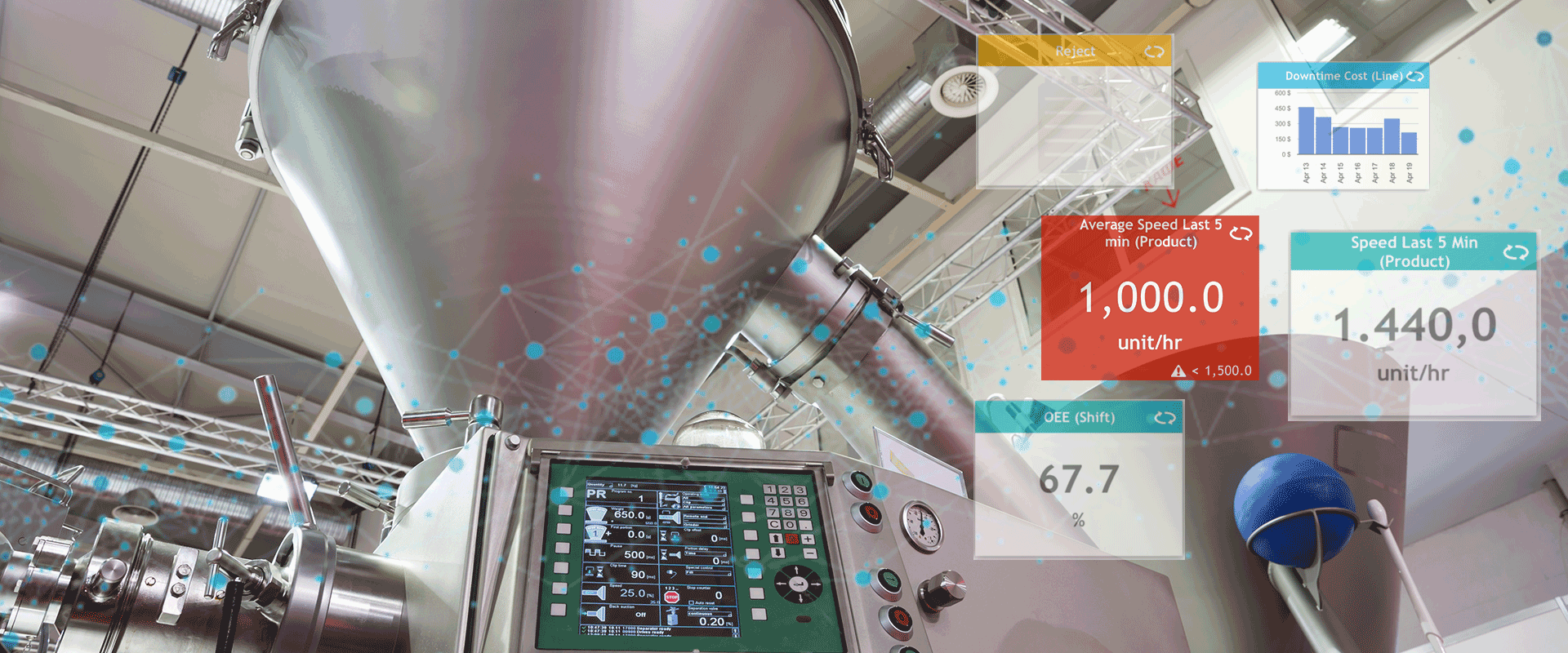
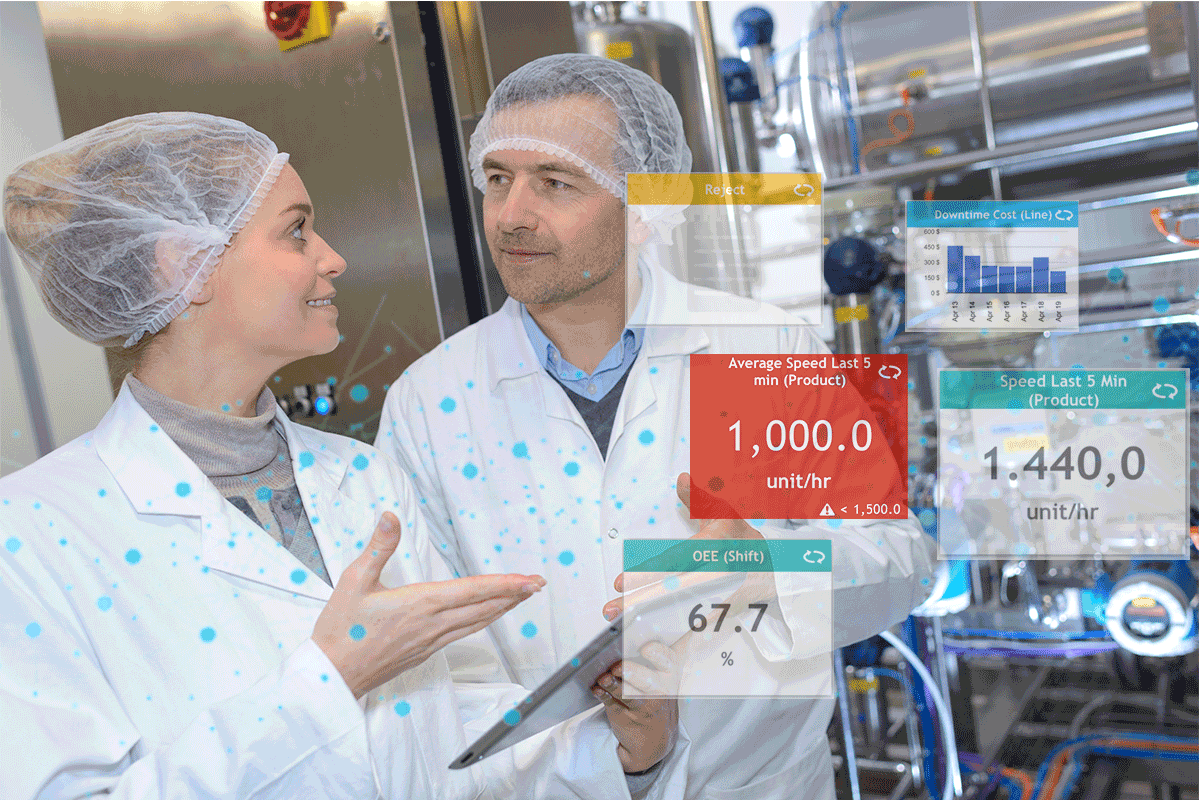
As seen in the primary steps, different KPIs can be monitored in this secondary phase as well. We've highlighted some of the most commonly observed ones:
- Stuffer and forming machine uptime
- Machine throughput
- Rejects (metal detection)
To learn more about how Worximity can improve your production, get an overview by clicking here.