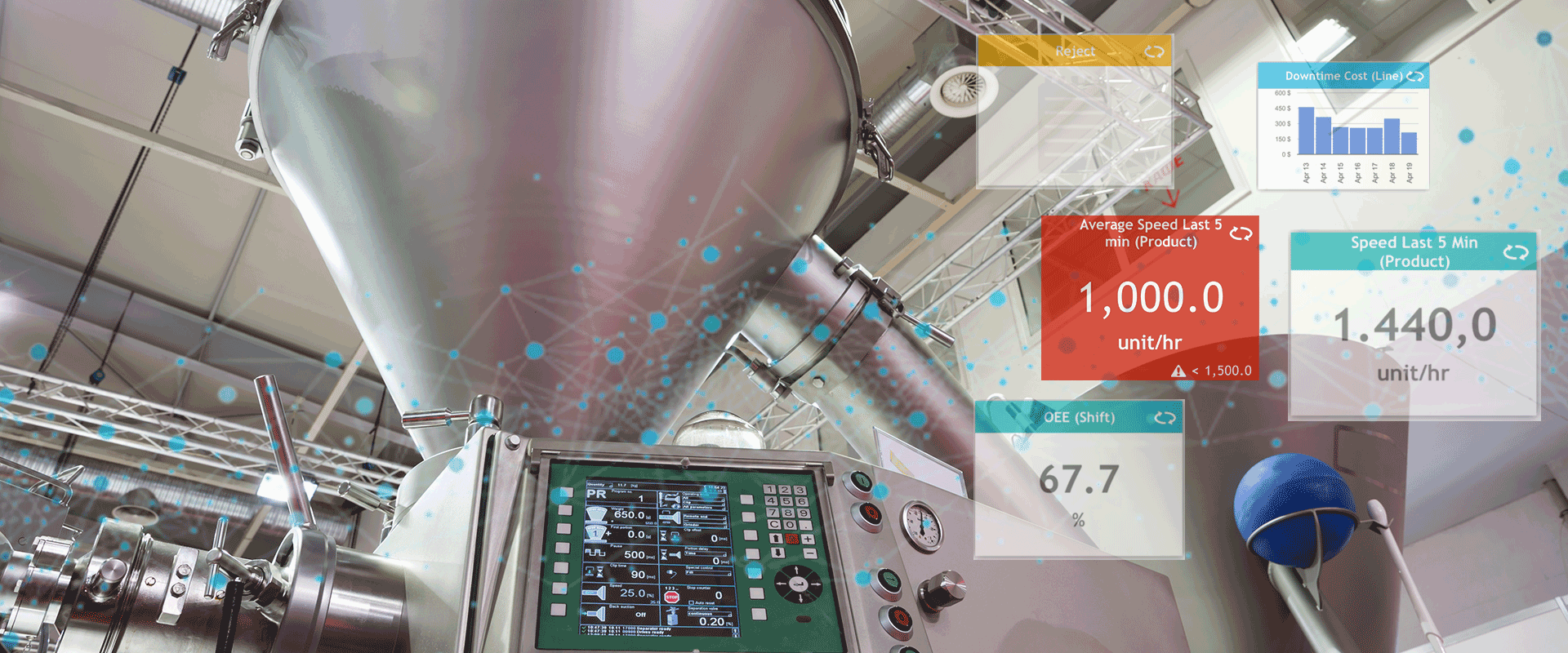
How can you optimize the grinding process? In the Deli Meat Processing Series Part 1, walk through the smart deli meat transformation process and an overview of the Worximity Smart Factory Roadmap, which helps you determine the best course of action to reduce production costs with real-time monitoring using TileBoard.
Deli Meat Primary Processing
During primary processing, the meat producer focuses on throughput and yield. They should pay close attention to the entry weight at the batching mixer in order to compare it the final product weight. Data collected directly from the checkweigher at the end of the line will allow managers to have real-time key performance indicators on yield and productivity.
Grinding
The first step in many meat processing value chains is grinding. Brands of grinding machines commonly in use include Weiler, Reiser, Seydelmann, Hobart, and Dixie. Any brand of meat grinding machine can be connected and monitored in order to improve productivity and lower production costs.
Meat grinding is a critical value added step as it feeds the downstream production areas to complete the particular meat processing value chain. Unanticipated production interruptions in the meat grinding area can cause significant factory losses because of all the possible production areas and labor crews that can become idle, due to lack of sufficient input material. Clearly, for many meat processing value chains, downtime in grinding can be a cost-multiplier because of the production losses that can be incurred across the plant.
Additionally, because the grinding process can feed multiple next-stage processes, it can be difficult to assess whether the grinding area is fully productive or is causing unnecessary bottlenecks. It can also be difficult to assess if the area provides the necessary capacity to drive various production scenarios that a meat processing plant can be managed to.
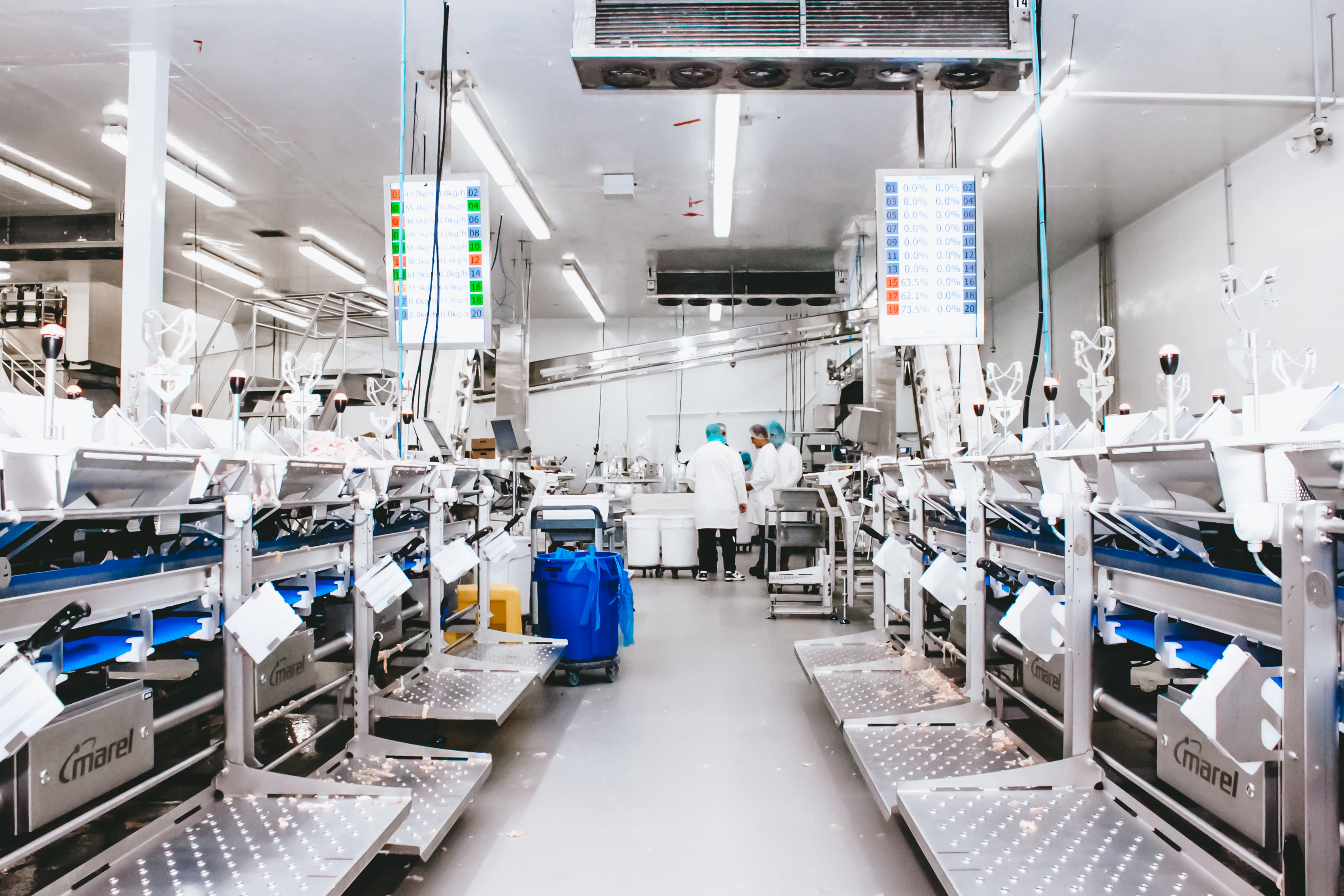
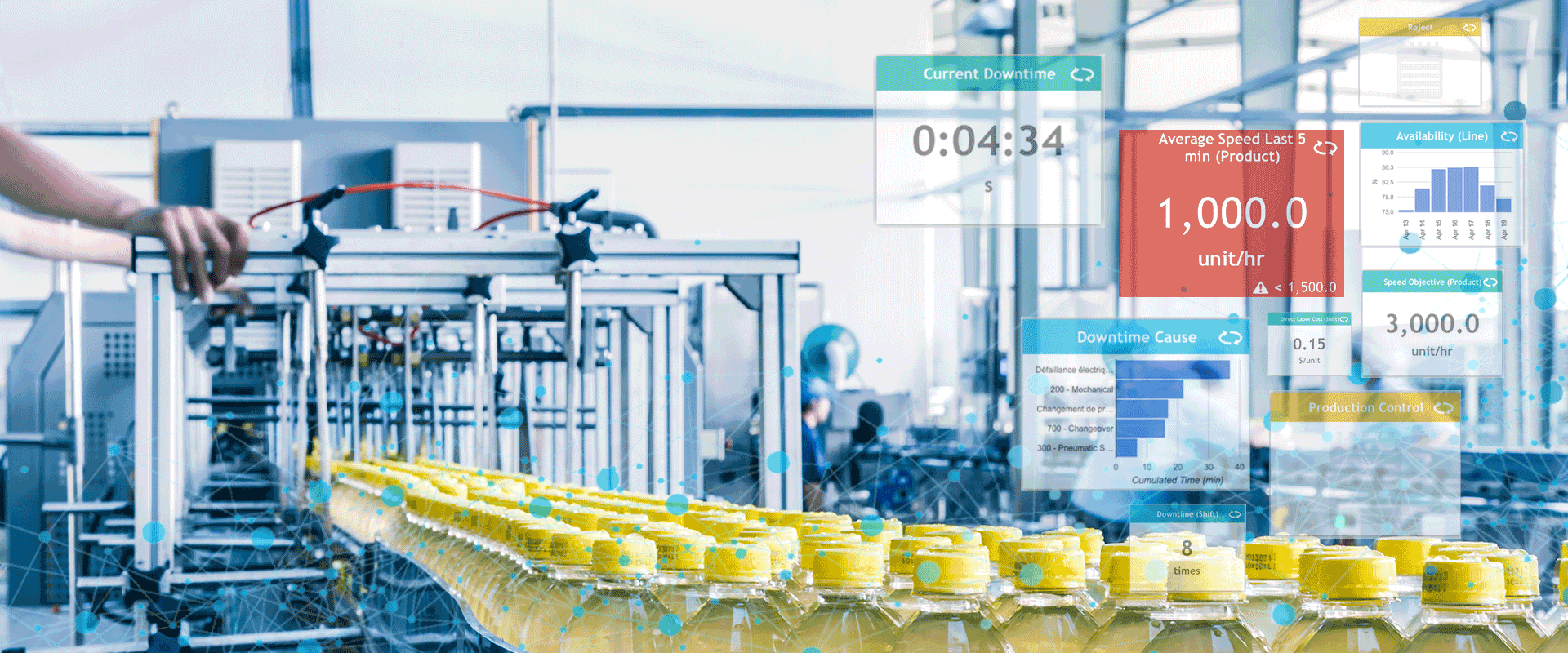
The TileBoard real-time dashboard helps you to visualize what to do. It helps you to monitor productivity, to do Causal and Pareto Analyses to understand causes of downtime and bottlenecks, and to understand the relationships between the grinding area operating performance and the impact on the rest of the factory. TileBoard is connected to your your equipment with the TileConnect smart sensor device.
With connected grinders like the production manager can precisely follow grinding parameters to optimize yield.
Next up in the series: Part 2 features deli meat mixing and a video showing deli meat primary processing from start to finish. Learn more about it.