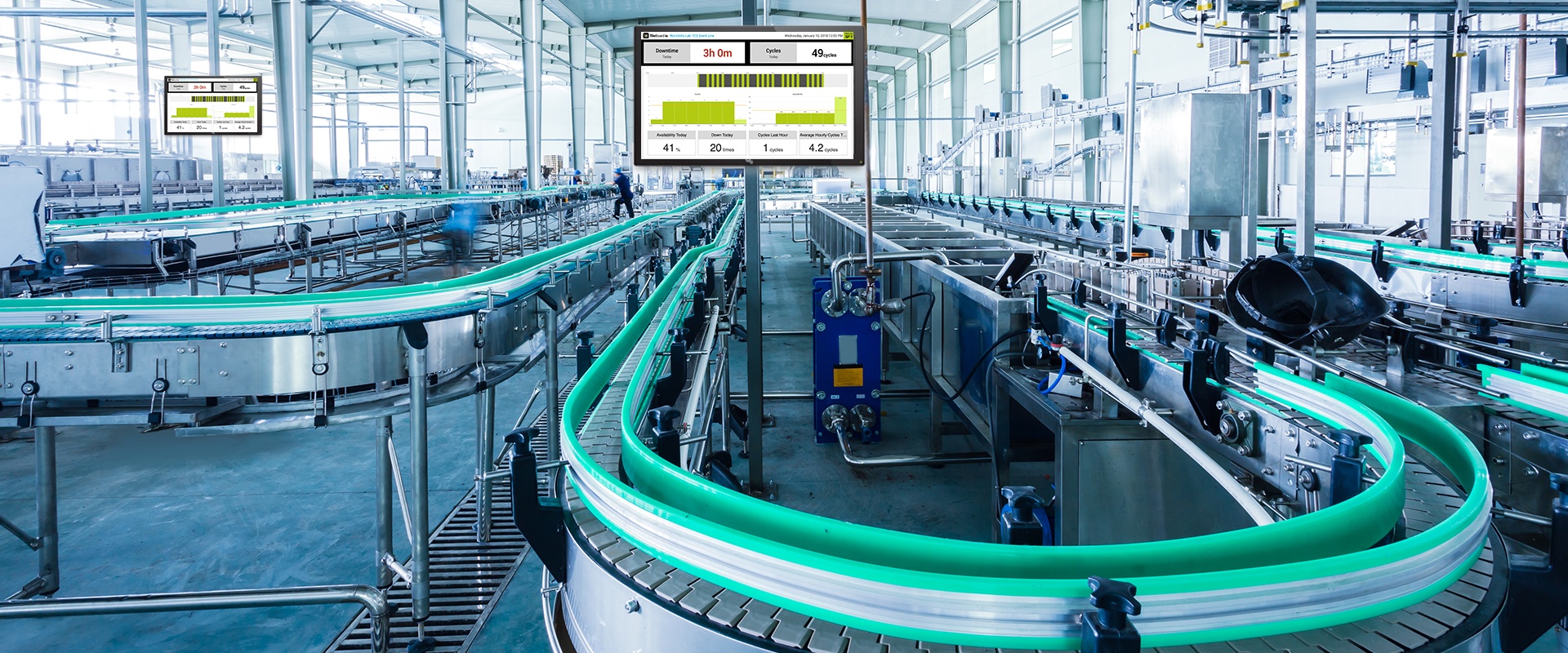
You have a real-time monitoring tool and data at your disposal to control production, and you're wondering how to turn that into real change? How can you leverage this data to make better decisions as part of a continuous improvement initiative?
Today's smart factory (4.0) wave has indeed sparked strong enthusiasm for new technologies.
Manufacturers want to centralize their data and simplify acquisition and access.

However, once this volume of data is accumulated and made available to the user, it's critical to remember that information, to be useful and meaningful, must be properly analyzed and interpreted in context. Otherwise, you risk falling into what we might call "an improvement mirage."
FALSE IMPROVEMENTS: THE 4 TRAPS TO AVOID
- Optimizing overall plant performance while losing sight of department-level optimization, and vice versa;
- Cutting short-term costs at the risk of long-term competitive loss: building short-term improvement plans disconnected from the company's long-term strategic intent;
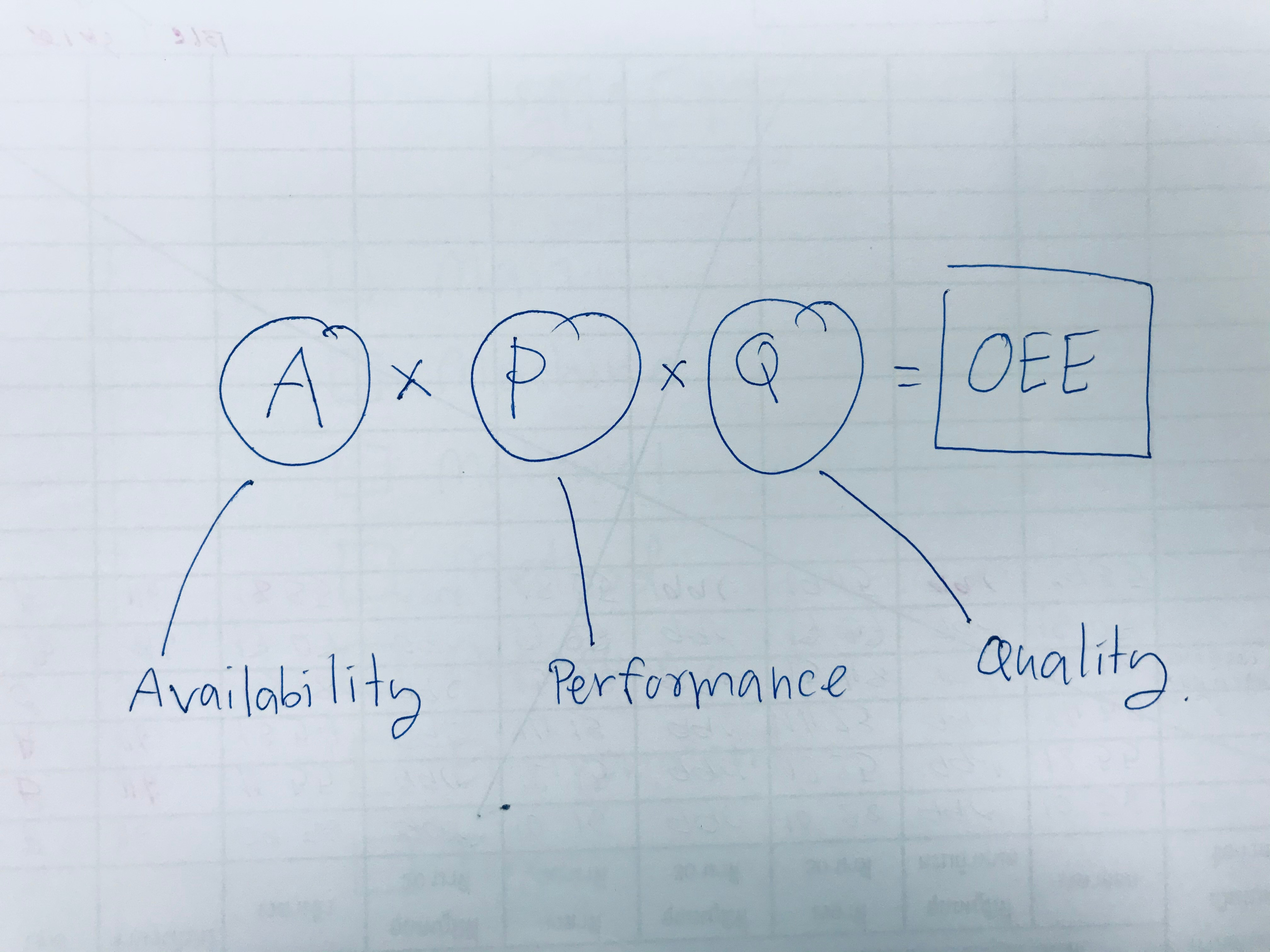
- Improving one KPI at the expense of another: investing effort to reduce downtime without stabilizing or improving production rate. This ultimately drops productivity, despite a clear improvement in machine availability;
- Pursuing efficiency while neglecting effectiveness, and vice versa: cutting unplanned overtime production and risking missed delivery deadlines.
"Yes, improve — but not at any cost."
THE NEED FOR A CLEAR FRAMEWORK
If you plan to improve plant performance as part of a continuous improvement initiative, the starting point should be defining clear objectives and identifying relevant KPIs to measure those improvements over time. These choices will shape the rest of the actions and their relevance will determine the success of the improvement plan you put in place.
We recommend adopting this 6-step framework:
1) Define and prioritize key objectives based on the company's strategic intent — an effective organization aligns its metrics with its actions and strategies;
2) Identify specific measures for each objective —
that is, choose the right KPIs to monitor;
3) Set quantified targets for each objective;
4) Focus your efforts and take the actions needed to hit the targets;
5) Measure improvements;
6) Maintain and control the results over time.
"Make sure your improvement objectives directly contribute to delivering the company's strategic intent."