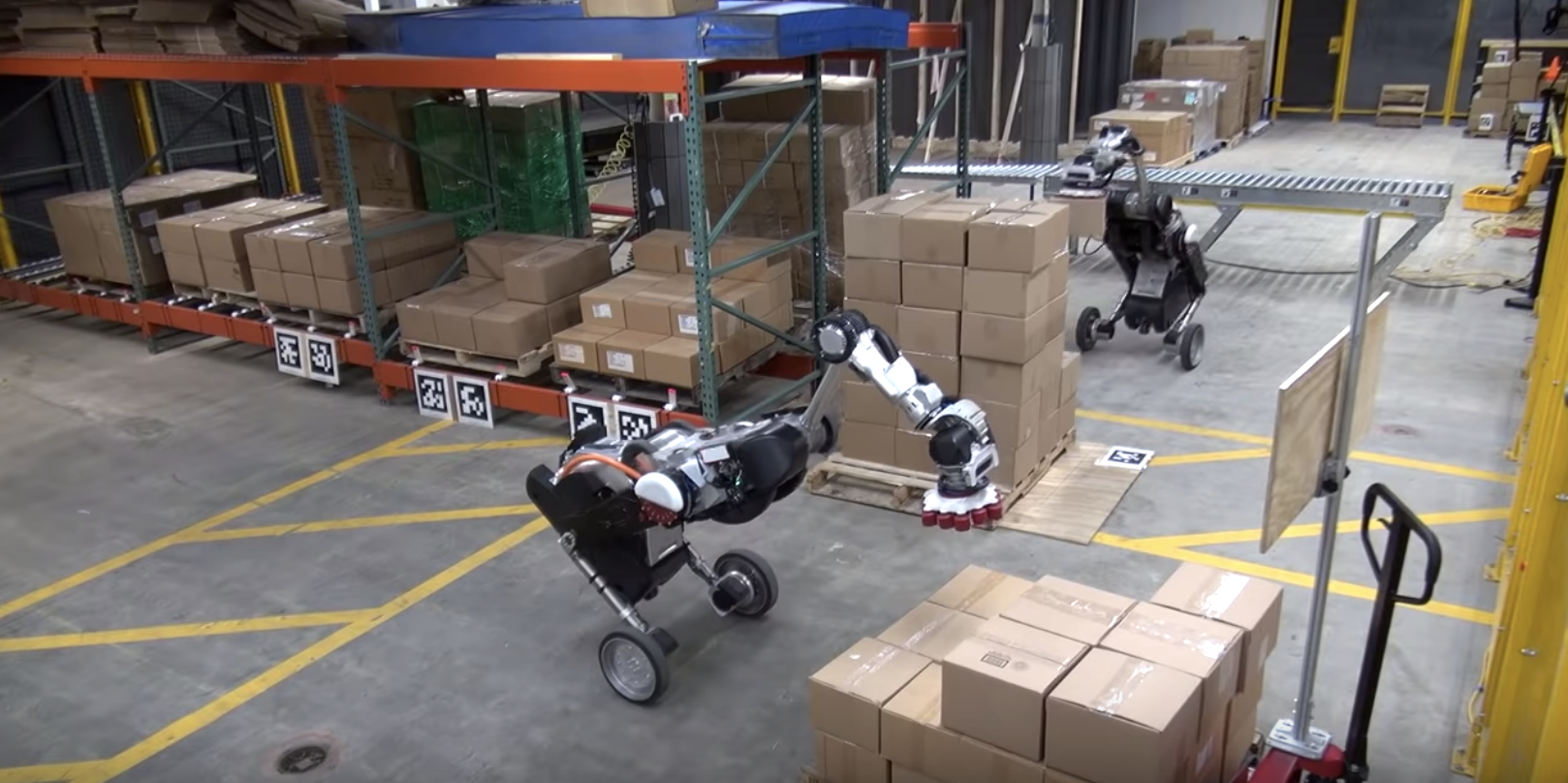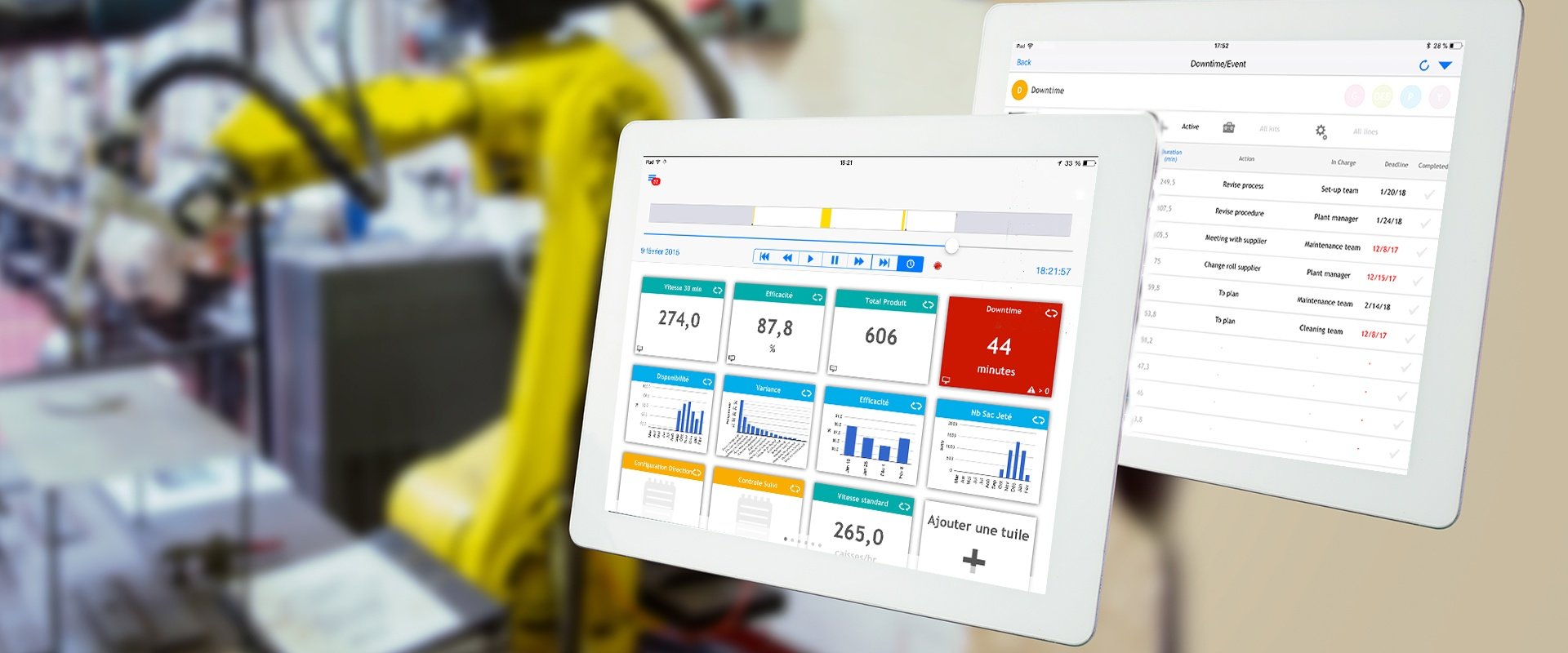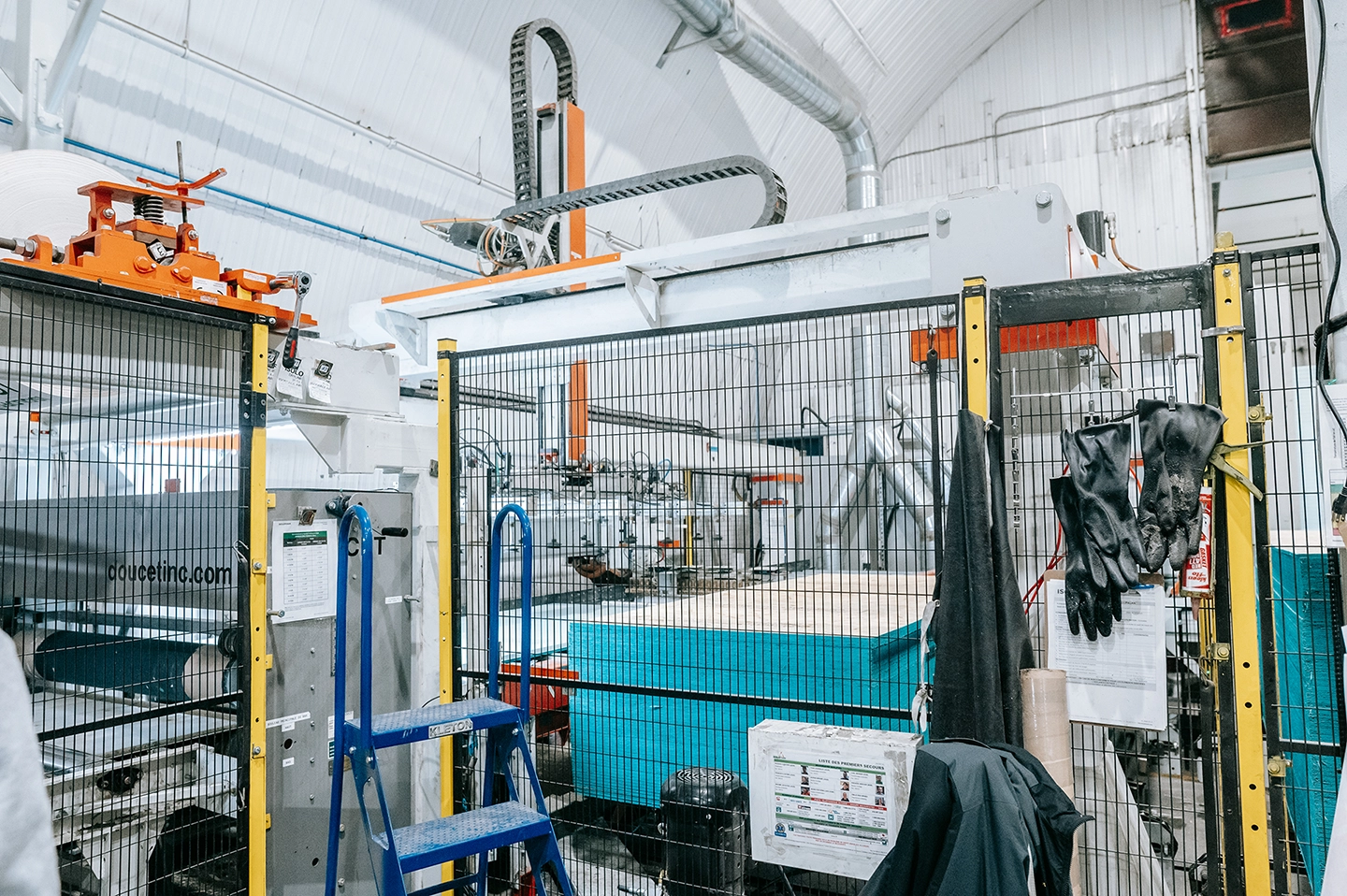
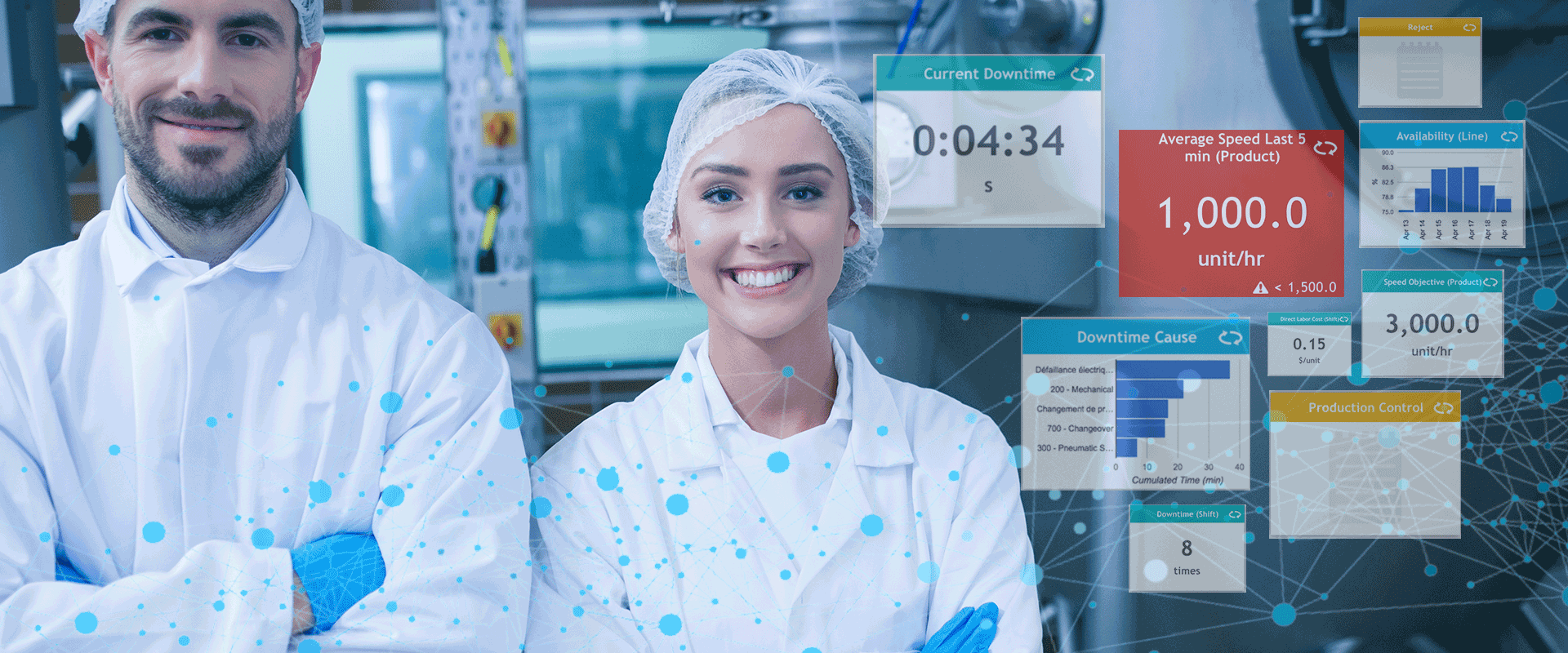
More and more technologies will be implanted in factories and human-machine interactions will be numerous. New jobs will be created and the skills sought by employers will be transformed. Manufacturers adopting the transition to 4.0 must be prepared for changes. Here are six winning practices that will address the changes impacting the workforce in the Industry 4.0 era.
1. Train and develop talents
Effective skills development programs will be needed to train talent within the organization itself. New tasks will be assigned to employees and training must be provided to ensure the transition. The observation of more experienced employees, the use of augmented reality or online learning are interesting methods to consider.
2. Delivering HR Flexibility in the Industry 4.0 Age
When it comes to hiring data scientists, R&D specialists or software programmers, manufacturers compete with different technology companies. These are known for providing a very pleasant work environment for their employees. Very traditional human resource practices are therefore less applicable. It is important to innovate and offer more flexible work schedules, resembling more regular office hours.
3. Delegate decision-making
In the same vein as the previous point, it is necessary to review the hierarchy and the decision-making processes. If we develop our employees so that they can perform more complex tasks, they must also be given greater autonomy in decision-making. For example, developers will have to wait for approvals from machine operators to reconfigure equipment. Or a production coordinator should not have to wait for a manager's approval if he just received a real-time alert. It is in the company's best interest to flatten the hierarchical structures.
4. Make employees responsible for innovation
Employees, if properly trained and autonomous in their role, must be responsible for innovation and the results that result. Rather than doing a small portion of a process, employees must understand the entire process and must take ownership over the results. Managers, meanwhile, must facilitate this responsibility.
5. Recruit based on abilities
Traditional recruitment based on experience and diploma doesn't respond as well to the demands of Industry 4.0. More than ever, manufacturing companies will need versatile employees with the ability to learn quickly and work on different projects simultaneously. Interviews based on the fit with the company culture and the general skills of the individual are to be prioritized.
6. Strategically plan industry-related HR needs 4.0
It becomes very important to list all the basic information about the workforce: planned retirements, future parental leave, subcontractors, temporary contracts, etc. Having an accurate portrait of our workforce makes it possible to adequately forecast training and recruitment needs, and to be better prepared for changes.
Coping with industry changes 4.0 takes time and effort, but it's well worth it!