
Sustainable manufacturing is a maxim in Industry 4.0 and lean manufacturing. But it’s more than just a watchword or good idea. It’s demanded by governmental agencies, company stakeholders and stockholders, and by the consumers of our products and services in general.
When we implement sustainable manufacturing processes correctly, we save money; create better, more useful products; and become good stewards of our environment and our natural resources.
According to Nabil Nasr, the associate provost and director of the Golisano Institute for Sustainability at Rochester Institute of Technology:
When we talk about sustainable manufacturing, we mean cleaner and more efficient systems with less resource consumption, less waste and emissions. It is to simply minimize any negative impact on the environment while we are still meeting demand, but in much more efficient and sustainable ways.
In an article published July 15, 2022, on The Conversation website, Nasr explained the concept behind sustainability and the environment further:
According to Nabil Nasr, the associate provost and director of the Golisano Institute for Sustainability at Rochester Institute of Technology:
Sustainability is about the proper balance in a system. In our industrial system, it means we are taking into account the impact of what we do and also making sure we understand the impact on the supply side of natural resources that we use. It is understanding environmental impacts and making sure we’re not causing negative impacts unnecessarily. It’s being able to ensure that we are able to satisfy our demands now and in the future without facing any environmental challenges.
In the early days of the industrial revolution, sustainability wasn’t much of a consideration. The reason is that it really didn’t have to be. Emissions, waste, and the consumption of natural resources were relatively low.
However, as we progressed through each iteration of Industry “X.0”, our impact on the environment and resources took its toll.
We have entered into an era of increased accountability for our manufacturing practices.
One Reason to Track the Impact of Your Sustainability Efforts
Some sustainability measures carry with them a fairly hefty price tag. Without comprehensive tracking and reporting of the hard data, a company hasn’t a clue as to whether its initiatives are actually working.
Some initiatives look good on paper. But without accurate data collection and analysis, you can’t weed out those that actually are both working toward sustainability and providing an adequate return on investment to make the measures worthwhile.
By tracking the impact of each of your sustainability projects, you’ll discover which ones actually are cost-effective and which need tweaking, shelved for later, or abandoned altogether.
Only by tracking the relevant metrics will you be able to know for certain that your sustainability initiatives—whether for procurement, processing, or reducing your carbon footprint—are both having a positive effect on both the environment and business practices and giving you the best ROI.
Saving money on energy, for example, is something most CEOs and facility managers are more likely to pursue ... if there is proof that the measures are actually doing as promised.
One method of sustainable energy reduction is the process of ‘lightweighting.’ Simply put, it’s making the product itself lighter by using materials that are both lighter in weight and less resource intensive.
Not only does this consume less energy during the manufacturing process itself, but can carry over into consumer savings. For example, lightweighting is used in the automotive and aerospace industries. Lighter vehicles consume less energy to operate.
Tracking the impact of your sustainable manufacturing, both during and post-production, allows you to gauge its effectiveness and also report that to regulatory agencies and the public.
Another Reason Tracking Impact Is Crucial
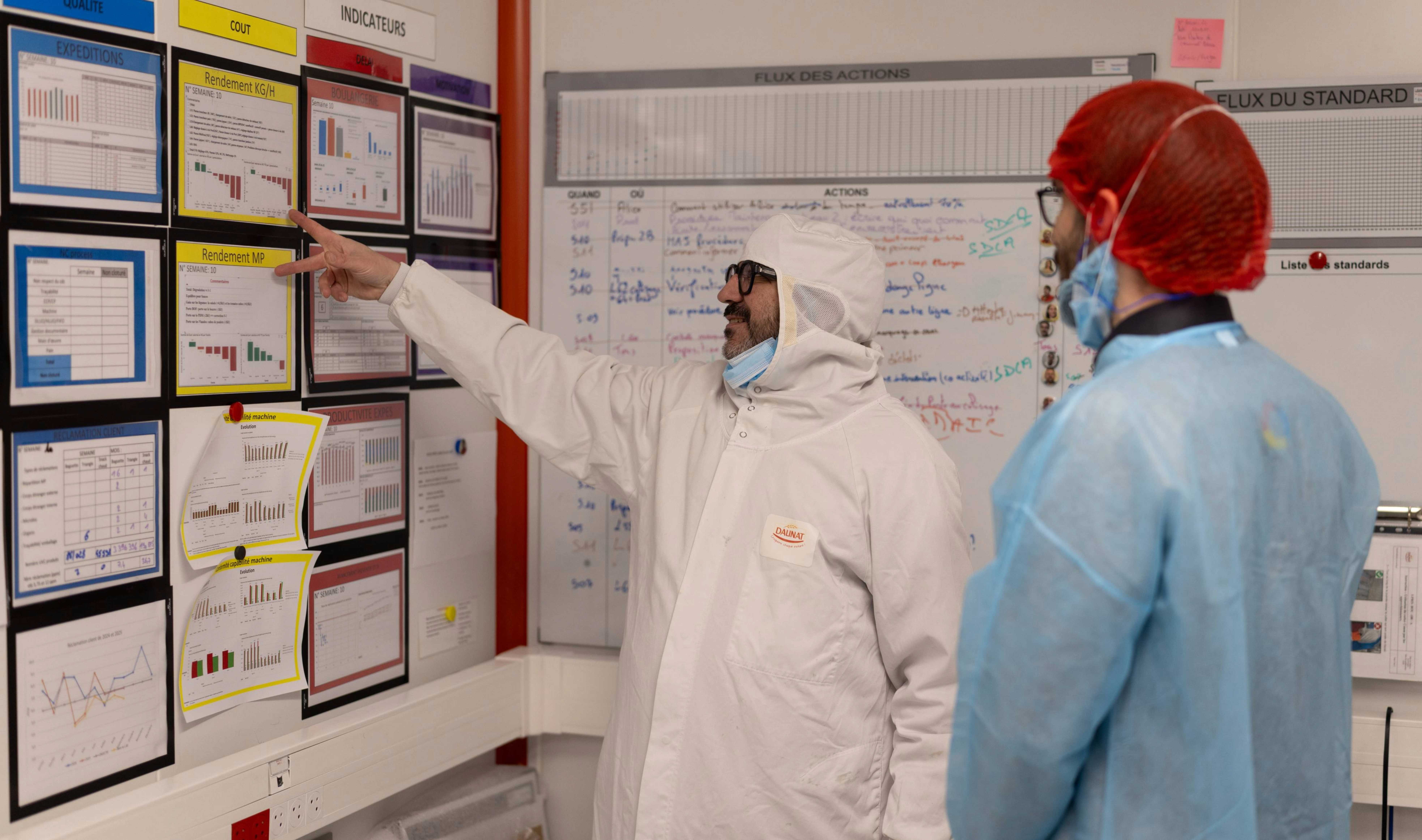
Buy-in from management, stakeholders, and the general public is important. That means accurate tracking and reporting of key metrics is vital. These tracked metrics allow a company to provide concrete reporting for concerned internal and external parties.
According to a July 2010 article on the GreenBiz website by Janine Kubert:
Sustainability reports need to be reframed as a metrics-driven transparency tool that can help businesses both internally and externally. Externally, reporting metrics will help to increase transparency for stakeholders and dispel any suspicions of green-washing. Internally, tracking and reporting sustainability metrics ensures results.
It’s not enough for a company to claim they’re ‘green’ or that they’re employing sustainability practices. They must prove it by being transparent in their tracking and recording of the actual impact their efforts are producing.
Sustainable manufacturing encompasses all aspects of the production of goods. From design to sourcing to manufacturing and delivery of the product, every part of the process should be addressed.
According to an October 2021 article in Forbes, there are three steps in moving toward a more sustainable business practice:
- Plan your strategy to build a baseline from which to measure.
- Execute your initiatives, including forming a team to measure and collect data.
- Reflect on the data collected—in other words, carefully analyze the results.
The third step, reflecting on the results, is important to get noticed by the public in a positive way. In the article, Vincent Rutgers makes this point:
Manufacturers can do more than simply measure the progress of their sustainability initiatives. They can also use that progress to create a clear market narrative around the positive impacts they are driving and paint a powerful picture for investors and consumers alike—all the while improving transparency. While those manufacturers that lag in sustainable activity risk public opinion turning against them, those who do take sustainability seriously need to get the word out.
In today’s environment, it’s not enough just to make a good product. You must also make it using methods and practices that are environmentally friendly, sustainable, and make good financial sense to your business.
With many consumers and government agencies, packaging is important. Post-consumer waste is a big issue for municipalities. Part of your sustainability initiatives may need to address using recyclable packaging whenever possible.
No doubt, it’s a balancing act. But it’s a balancing act that leaves no room for guesswork or uninformed conjecture. Tracking the correct metrics, whatever they are for your situation, carefully analyzing the data, and making informed decisions based on that data is the only way to move your business toward a more sustainable, eco-friendly positioning.
One Final Thought on Sustainability Initiatives
The EPA builds a strong case for why companies should pursue sustainability. Some of the reasons are to:
- Increase operational efficiency by reducing costs and waste.
- Respond to or reach new customers and increase competitive advantage.
- Protect and strengthen brand and reputation and build public trust.
- Build long-term business viability and success.
- Respond to regulatory constraints and opportunities.
Recording and tracking the impact of your sustainable manufacturing helps address each of the EPAs points. And it may be more of a requirement in the future as sustainability mandates arrive.
For more information on sustainability, lean manufacturing, and Industry 4.0, be sure to subscribe to our Worximity blog