How can IIoT help the manufacturing industry?
According to Mark Nott, the VP of Sales at Hitachi Consulting, the manufacturing sector will be spending more money on IIoT technologies than any other sector between now and 2021. What is the biggest related priority on the horizon? Managing cost control. Nott says smart manufacturing can "create value by controlling costs in three ways:"
- Predicting and preventing downtime,
- Predicting and preventing bottlenecks,
- Predicting and preventing defects.
Setting up a smart factory-where to begin?
With all of the information available online and in the media about digitization in the manufacturing and other industries, how does one distinguish the valuable information from the ineffectual? Consider cost control approaches such as monitoring giveaway and overproduction, gaining real-time production insights or monitoring downtime.
Nott and his colleague Greg Kinsey, VP of Industrial Solutions & Innovation at Hitachi Vantara put together this list of phases to conceptualize the process.
Level 1: Visualization
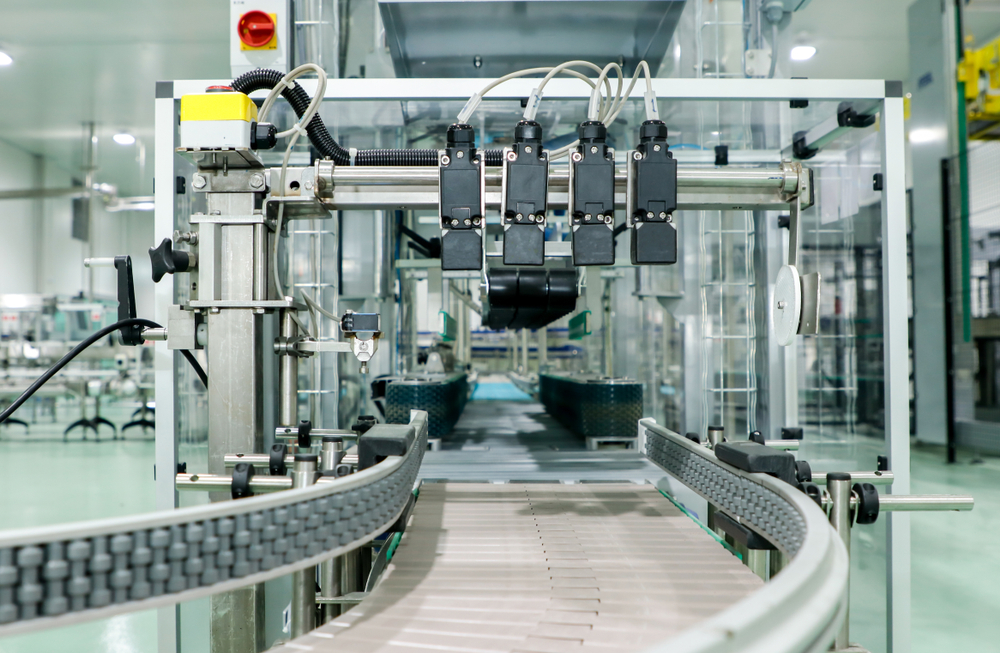
The first phase is getting some basic digitization on the shop floor. This might mean installing cameras or microphones or other kinds of sensors to start to visualize what is happening in operations
Level 2: Integration
Companies then move up to the point where they can make sense of the data in an integrated way so that the upstream and the downstream parts of the process can begin working more hand in hand.
Level 3: Analysis
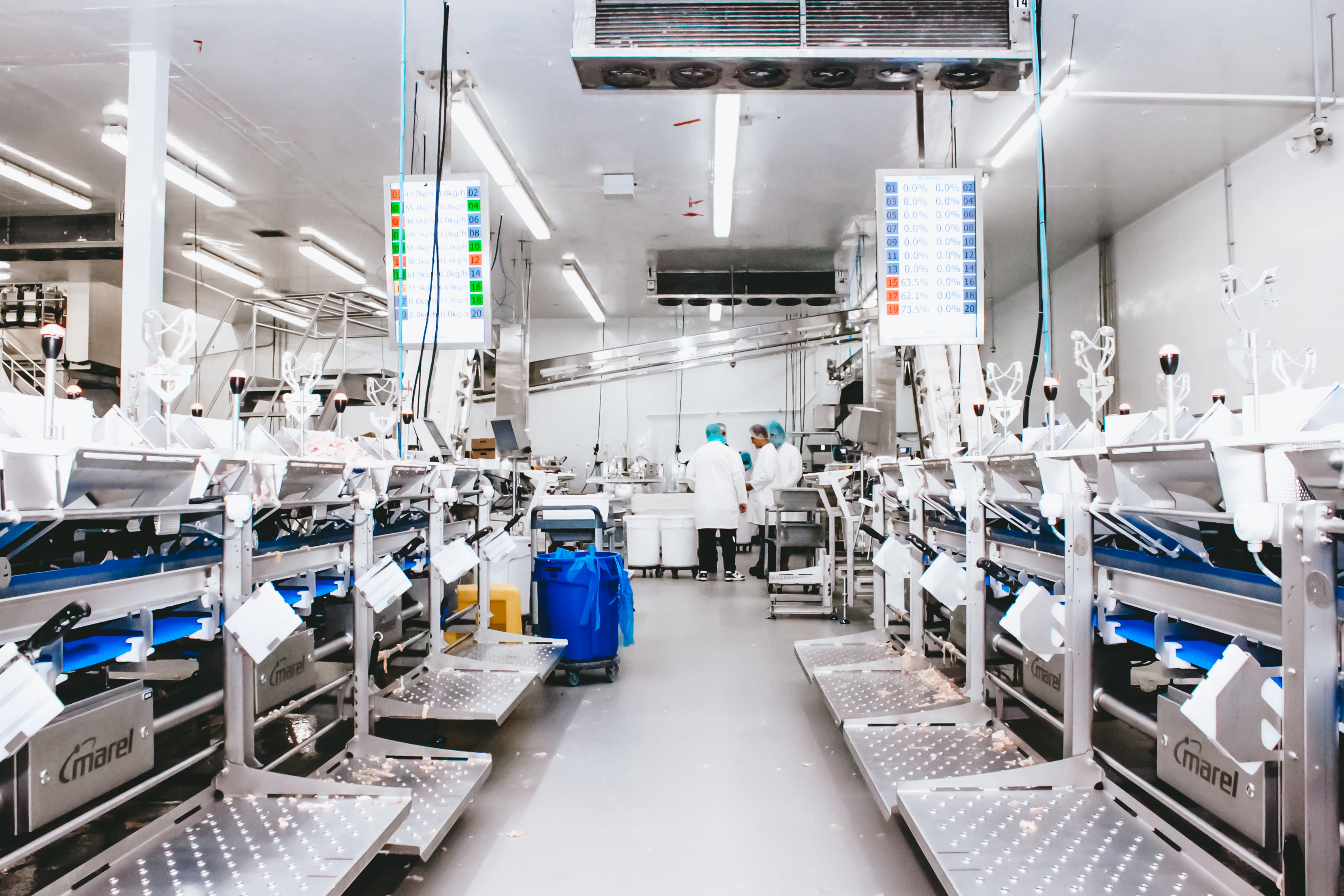
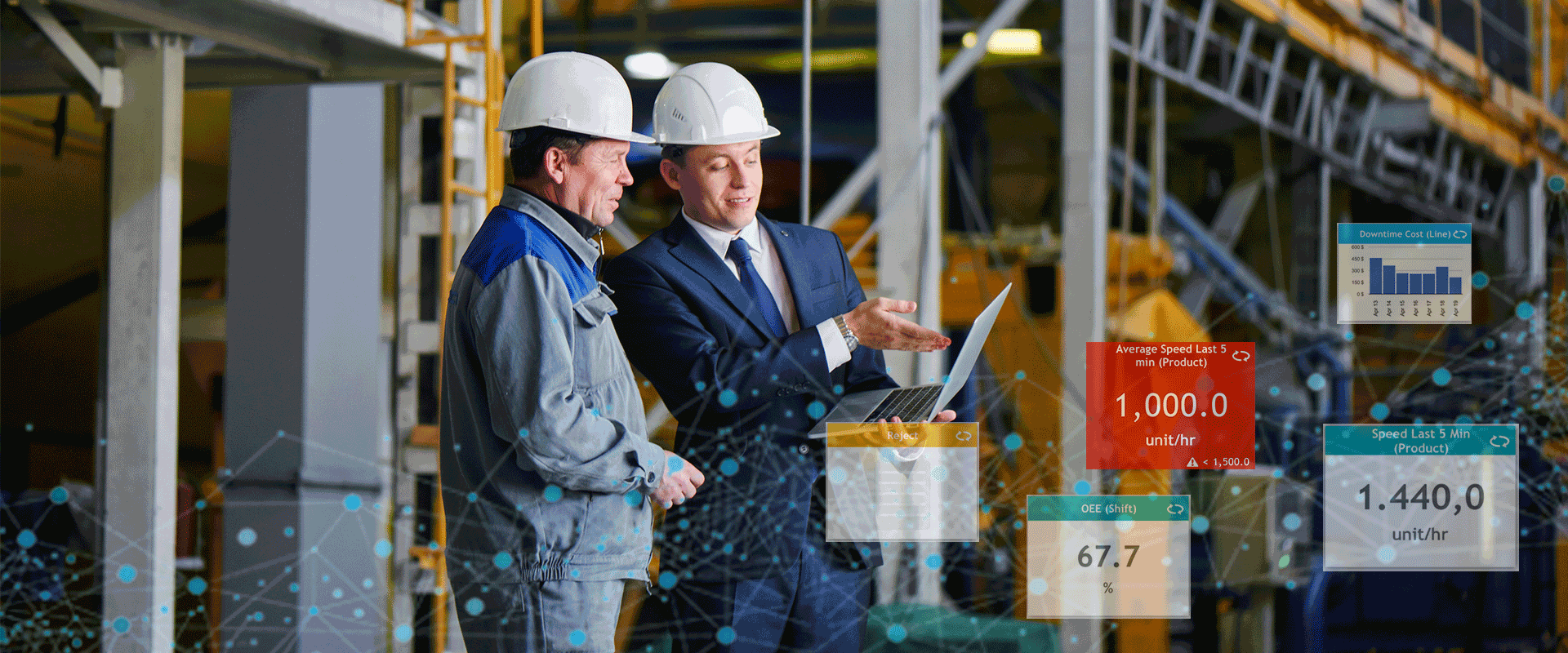
At this level, companies improve control over factory processes through analysis of historical data as well as descriptive analysis. Companies can understand what’s happening in a factory at any given moment and manage processes more effectively.
Level 4: Predictive
Predictive analytics can unlock a great deal of value—for example, alerting companies that, at current course and speed, bottlenecks and quality problems are likely to arise.
Level 5: Prescriptive
Here, not only do technologies predict what will happen, they will also provide suggestions or prescriptions of what to do to minimize the negative impact of the event.
Level 6: Symbiotic
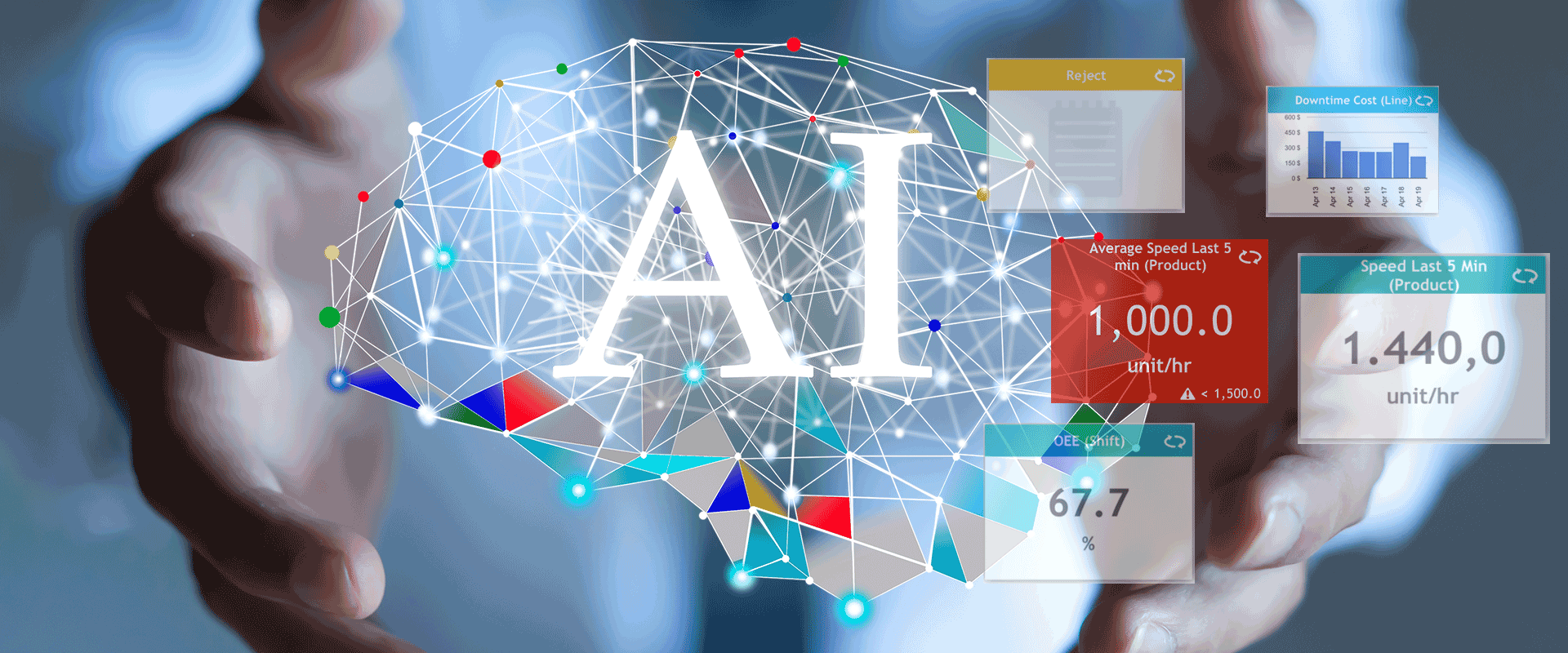
The final and most advanced stage is a factory that has a high level of intelligence built into the systems. Using artificial intelligence, the factory can be self-healing and self-adjusting.