Takt time is a fundamental concept and critical for anyone working in a production plant. It stands out among the many indicators used to evaluate the efficiency of a manufacturing facility. According to Matt Nichol, author of " The 12 Most Important Metrics to Measure in Manufacturing", it is not only simple but also one of the most essential metrics.
Defining takt time
Takt time measures the average number of quality units produced on a machine, line, or plant over a specific period. It can be visualized as a fraction:
Takt time = Units produced / Time
The unit of time can vary, ranging from a few seconds to several days, depending on the scale of manufacturing and the desired efficiency analysis.
Takt time example
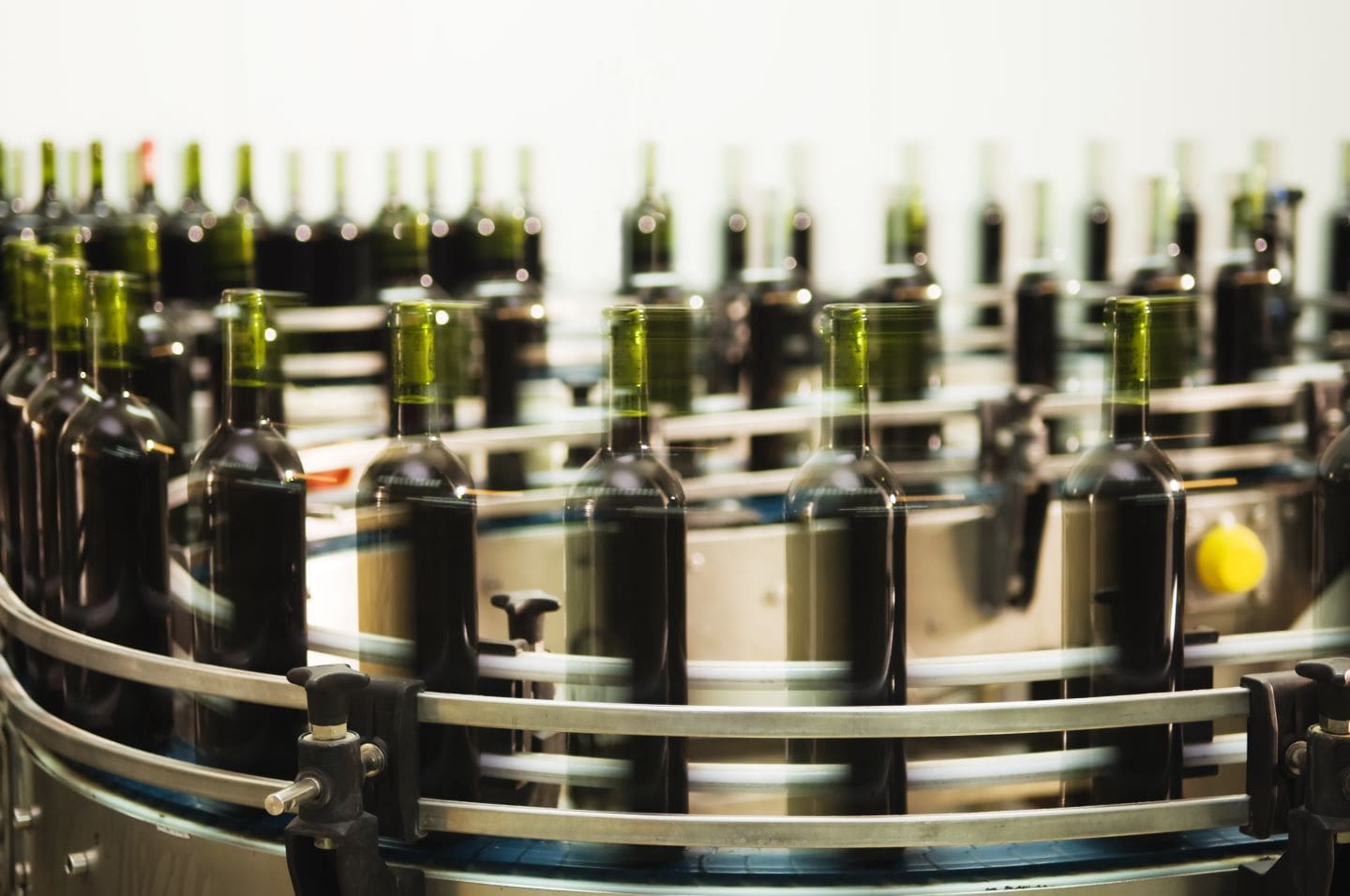
For example, if a bottling plant fills 6,000 cans per hour, its takt time can be calculated at 100 cans per minute. In another scenario, if an automaker assembles one car every 21 hours in a plant, its takt time can be interpreted as 8 cars per week.
Why takt time matters
Takt time is crucial because it provides insight into production efficiency, indicating how well and how quickly a plant is running. Manufacturers with high takt time can outpace competitors with lower output, since their products reach customers faster. It can be the deciding factor in the following cases:
- Hitting or missing production targets
- Holding a competitive edge or falling behind
- Retaining customers or losing them to more efficient competitors
Additional considerations for production managers
Factors affecting takt time:
- Discuss external and internal factors impacting takt time, such as machine breakdowns, maintenance, and employee efficiency.
- Emphasize identifying and mitigating bottlenecks in the production process that could limit takt time.
Quality considerations:
- Account for not only the quantity but also the quality of units produced. High takt time may matter less if it drives an increase in defects or rework.
Continuous improvement:
- Stress the importance of a culture of continuous improvement. Evaluating takt time should be an ongoing process with regular reviews and adjustments to improve efficiency.
Employee training and engagement:
- Be aware that employees can influence takt time. Proper training and involvement contribute to smoother operations and higher throughput.
Supply chain coordination:
- Recognize the impact of supply chain coordination on takt time. Supply chain delays can disrupt production schedules, affecting output rates.
Flexible production planning:
- Discuss the benefits of flexible production planning to adapt to demand changes, product variations, or unexpected disruptions.
Takt time and capacity
Takt time is closely tied to capacity, which is the maximum output a production line or machine can achieve. Analyzing takt time helps formulate assumptions about capacity. In other words, a machine's capacity is its production rate when running continuously without interruption.
Improving takt time
Measured in units per unit of time, takt time becomes highly valuable when paired with a third variable. For example, you can measure the takt time of a production line, a plant, or a specific number of workers. It serves as a baseline statistic against various controllable, measurable, and testable variables. This comparison forms the foundation for efficiency improvements based on scientific methods.
To improve takt time in your plant, consider real-time production and OEE monitoring and see how it can improve core productivity KPIs.