Manufacturers considering implementing IIoT to become a smart factory may face uncertainty and wonder about the risks involved but, in "Road to IIoT: Lessons for Manufacturers from Other Industries," John Frye says one need only look to other industries that have paved the way for solutions.
1. Standards-based technology is smart manufacturing
Proprietary costs related to long-established automated infrastructure in the manufacturing industry are often restrictive, especially when upgrades often need to be implemented by a single vendor. Frye compares this constraint to those the telecommunications industry faced before adopting industry-standard solutions. This brought new possibilities for innovation and a competitive edge over traditional providers.
2. Open the door integration: OT and IIoT
Operations technology (OT) industries (e.g., cities, energy, public infrastructure) have a vested interest in protecting vulnerable systems. Yet, connectivity across an enterprise is critical to implementing IIoT. Frye cites the financial services industry as an example. The traditionally risk-averse sector implemented "the intelligent automation capabilities of IIoT" and the result? Improved network security, continuous availability solutions and adaptation to a market that's increasingly mobile and digital.
3. Tap into distributed intelligence: Analytics and monitoring
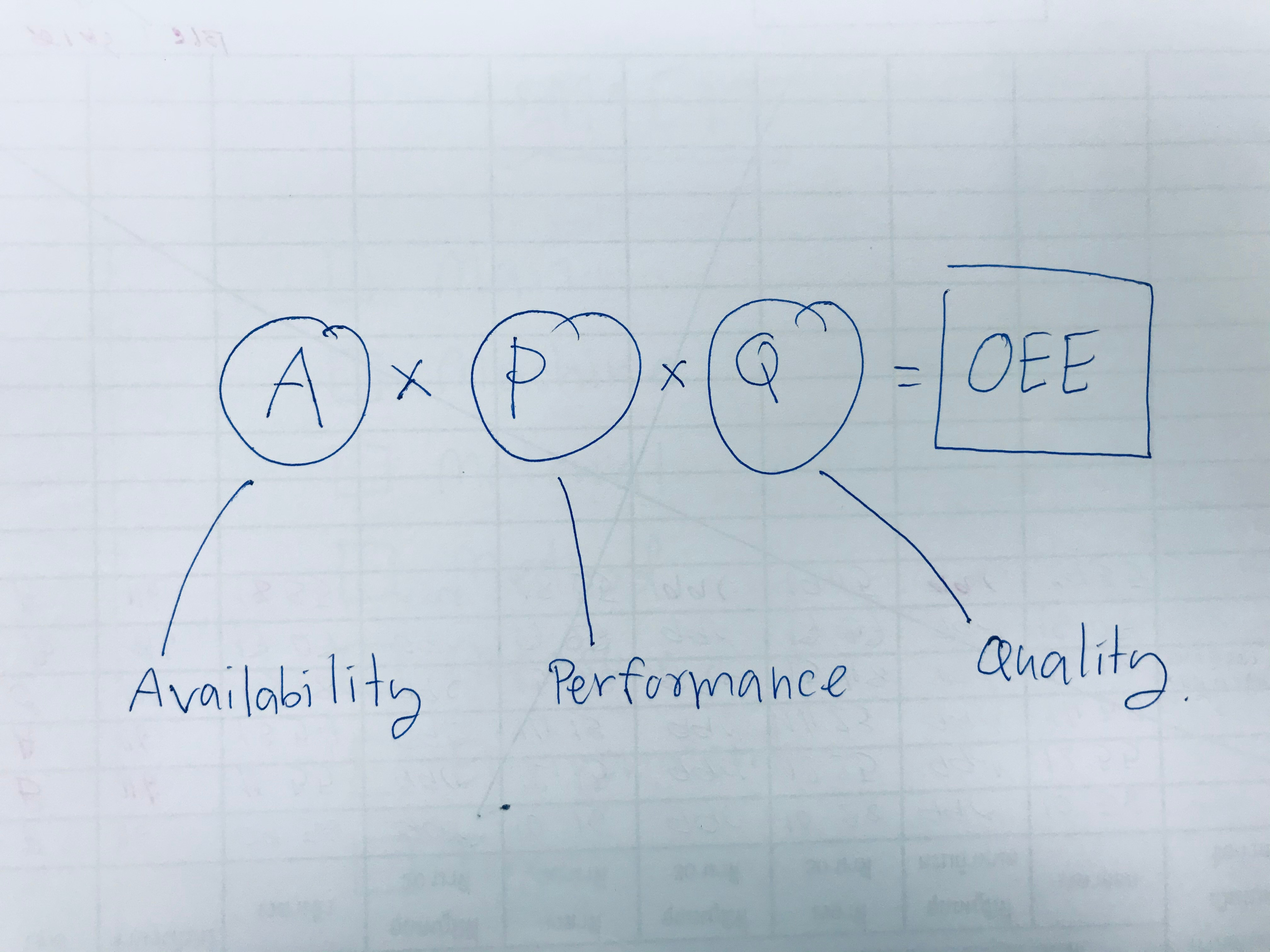
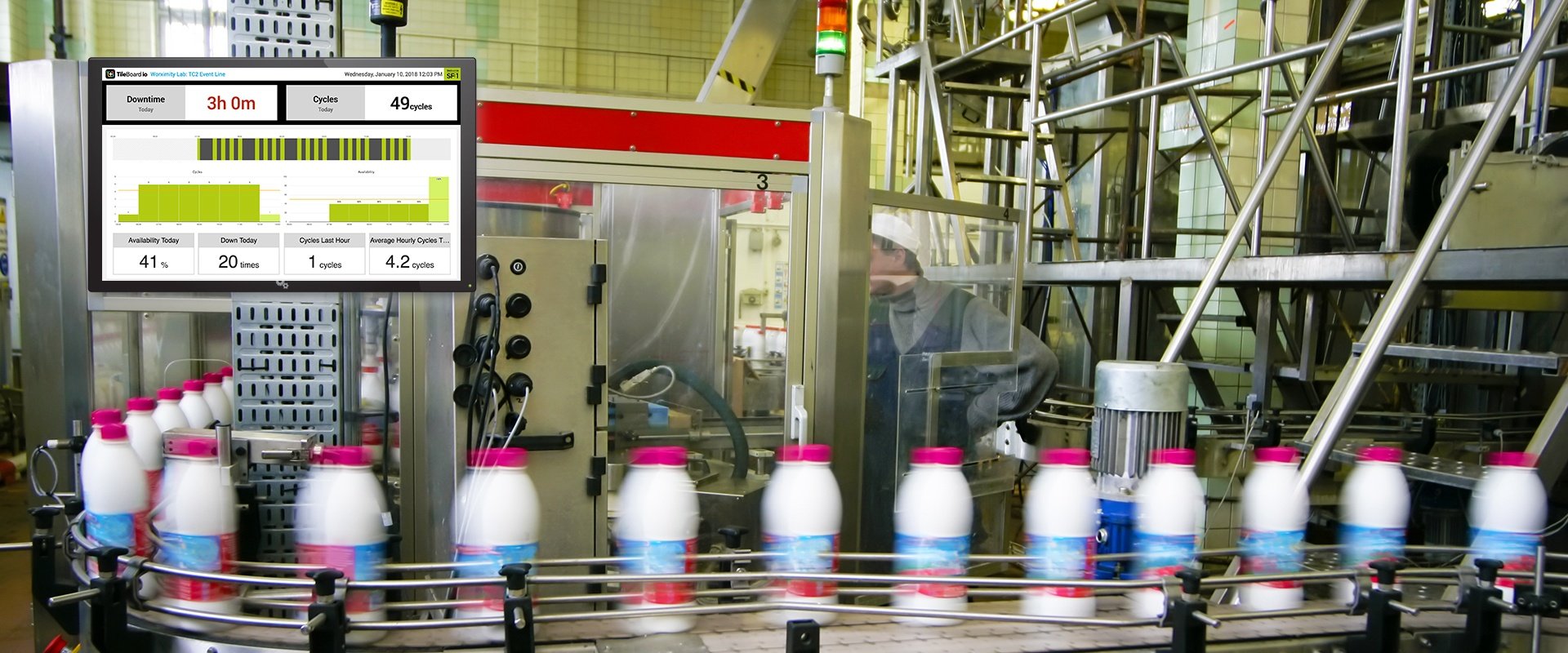
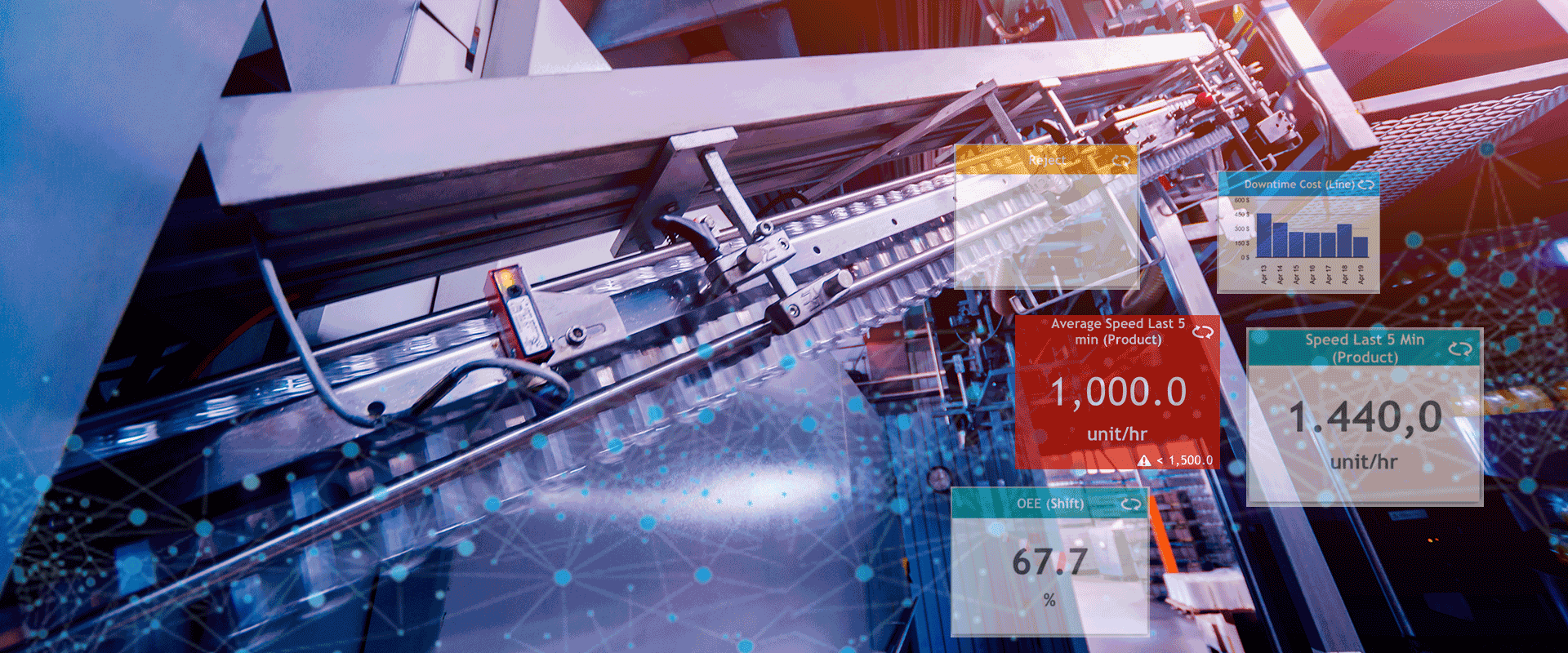
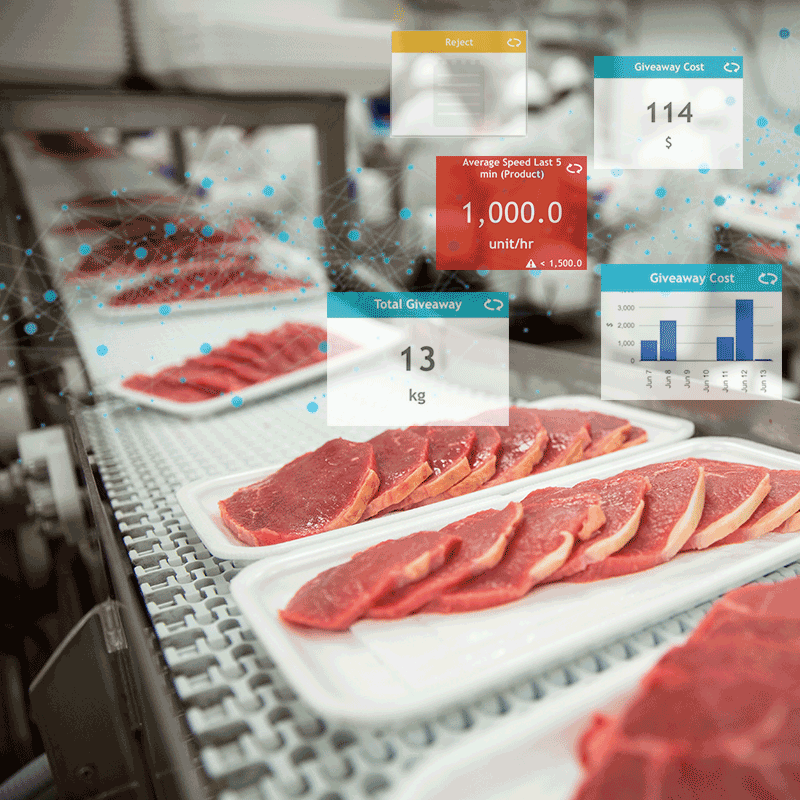
Data collected from a variety of sensors on the production line is "one of the hallmarks" of IIoT and the smart factory. Data analytics intelligence helps to improve productivity and monitoring factors like downtime, giveaway and overall equipment effectiveness can aid efficiency and spur on innovation. Frye says the oil and gas industry "use data collected from sensors at remote pipeline compression stations to run analytics that detect early signs of component failure....companies can shrink maintenance windows and avoid costly unplanned downtime."
4. Protect the avalanche of data
Manufacturers which adopt IIoT will produce a substantial volume of data. But value will increase too. Frye notes, "manufacturers must ensure availability of both the data and the automation systems generating it." Case in point—the building automation and security industry. Frye says, "to mitigate risk of losing valuable video evidence, these companies make end-to-end fault tolerance a priority."
In the end Frye says, "While each industry has its own challenges and priorities, they all stand to gain similar benefits by charting a course to next-generation IIoT automation." You can generate valuable insights by monitoring data and creating new strategies brought about by IIoT.
Source + read the whole article