21/3/19

TileBoard for Poultry Processors

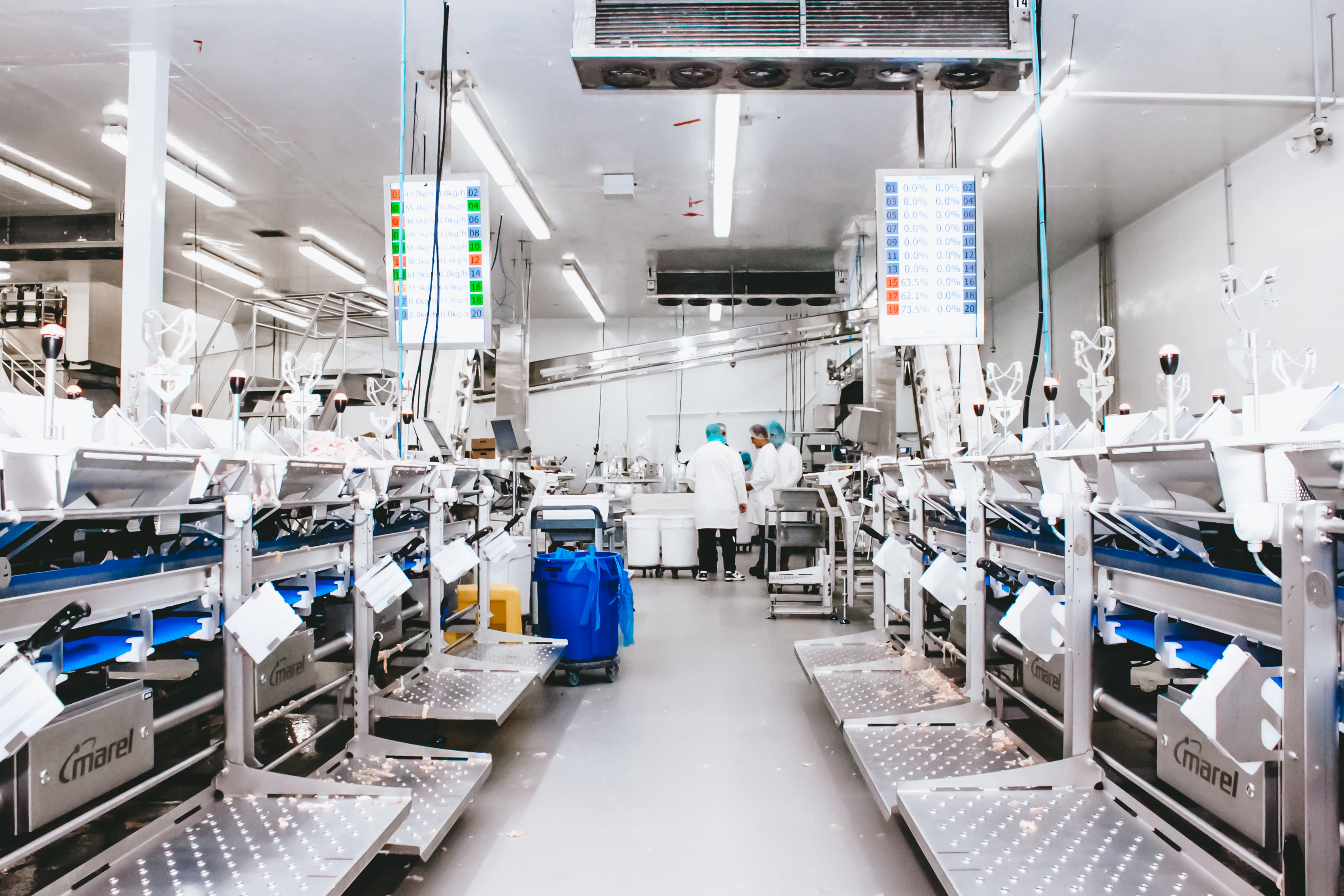
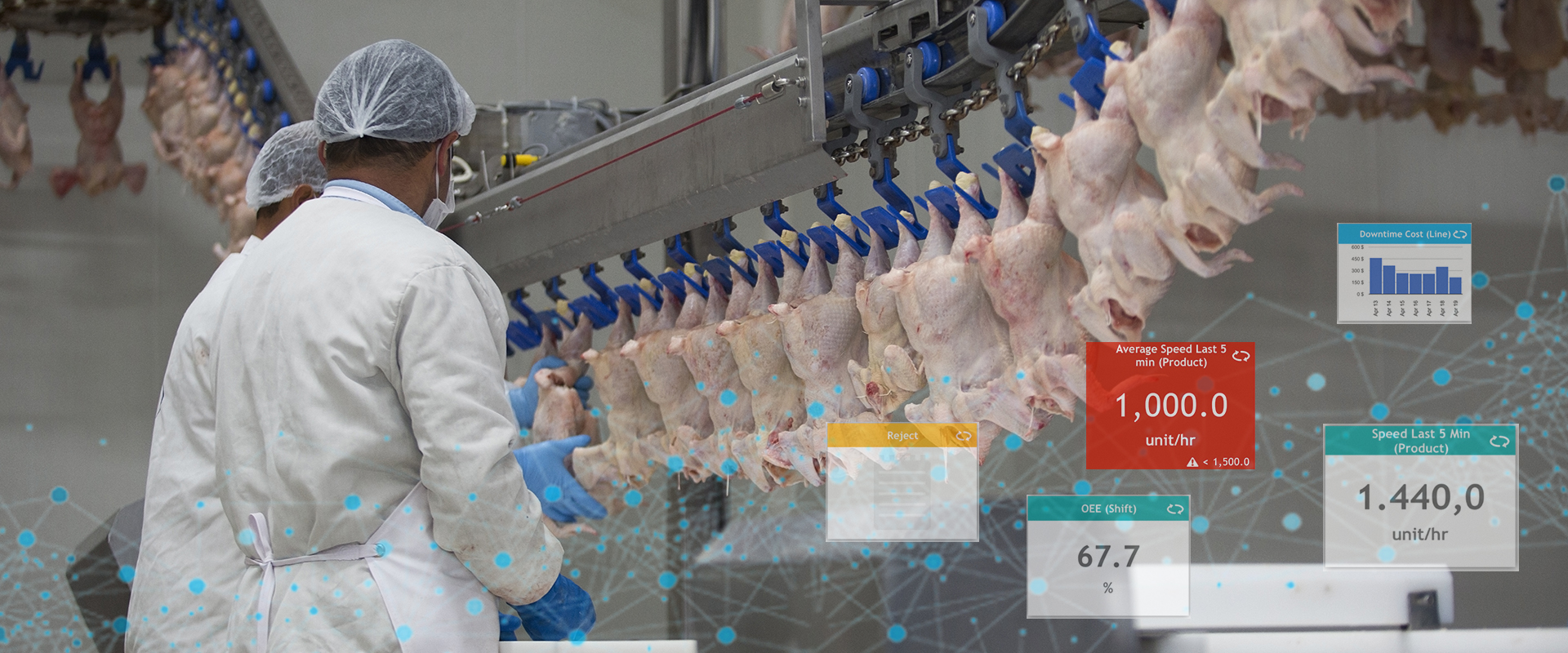
Many of our customers operating in the poultry processing industry monitor different stages of their production: slaughter, gutting, deboning, cutting, portioning, injection, packaging and labeling with our TileConnect sensors and our TileBoard software.
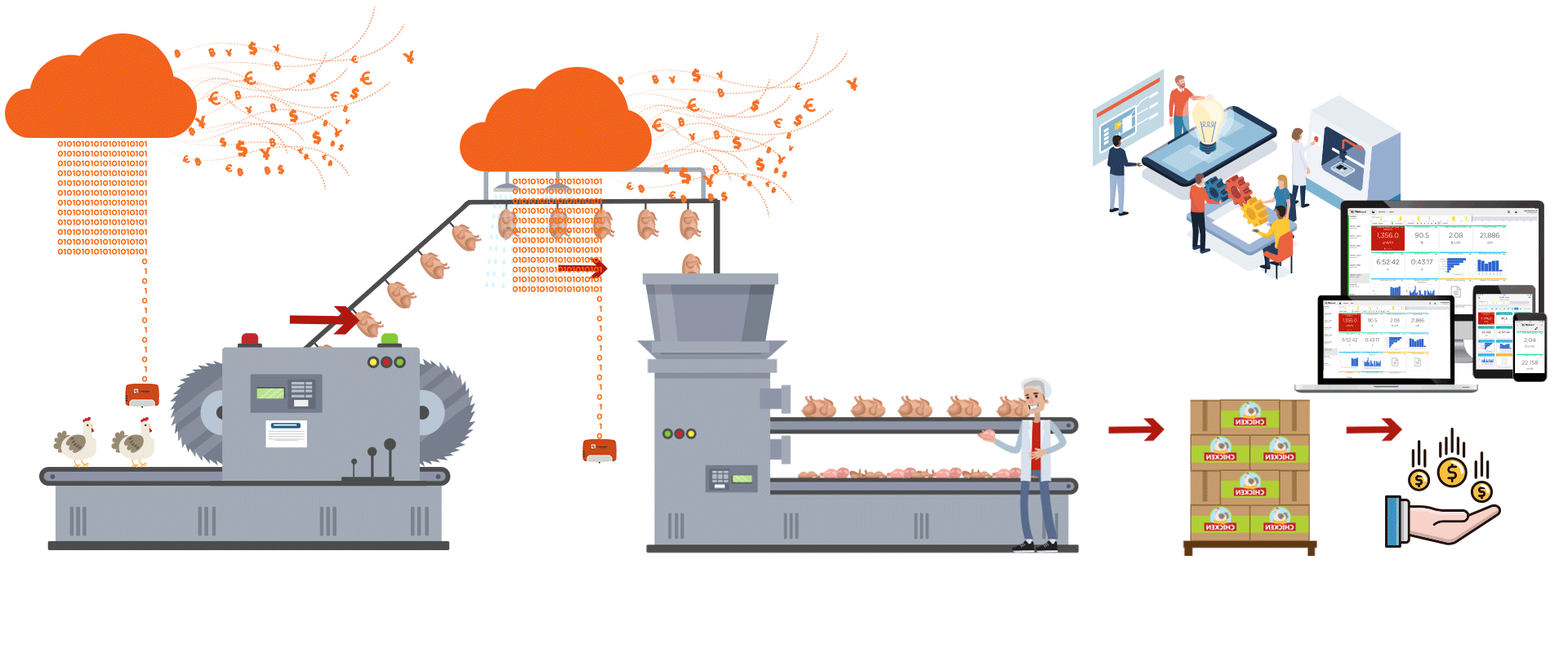
Smart Meat Processing
TileBoard for Poultry Processors

The global poultry market keeps growing, in Canada and worldwide. 

This excellent protein source is appealing both environmentally and economically. With that in mind, demand for poultry is increasing and the opening of the global market is driving significant growth forecasts.

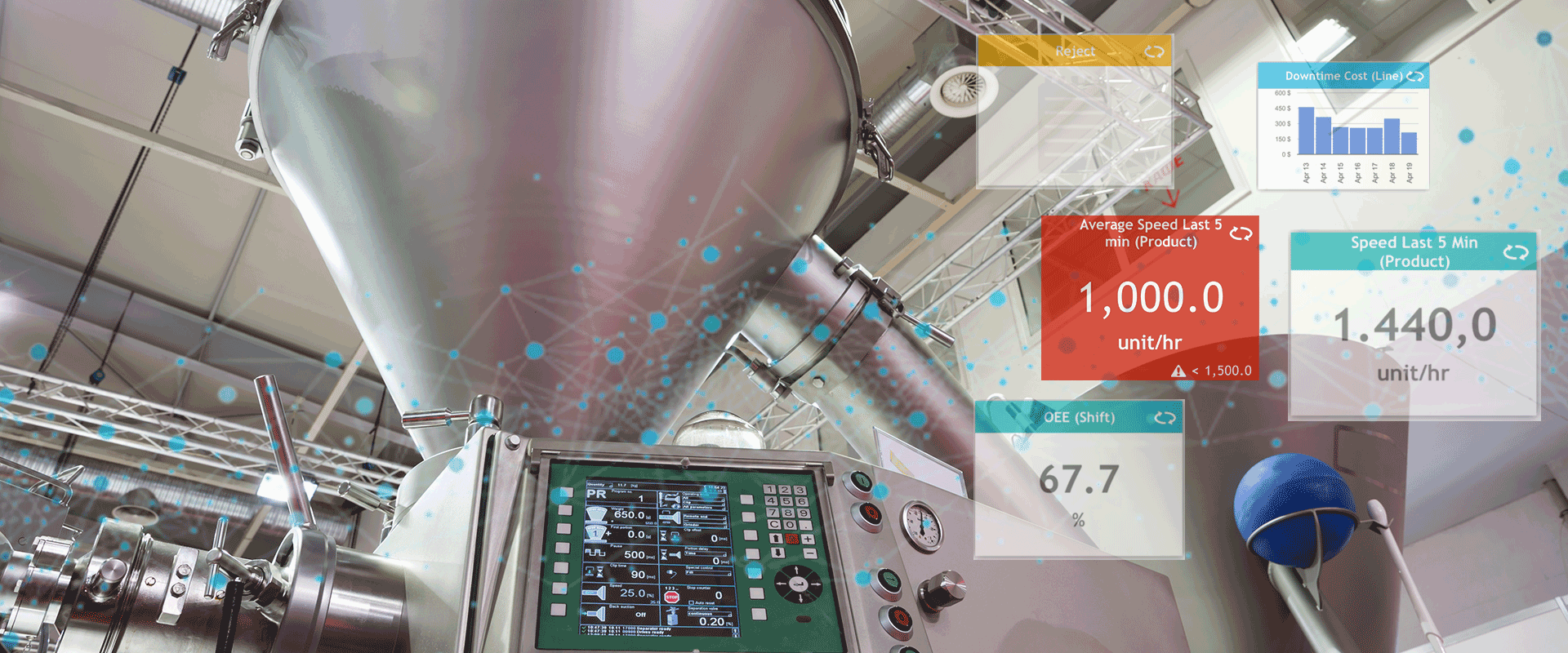
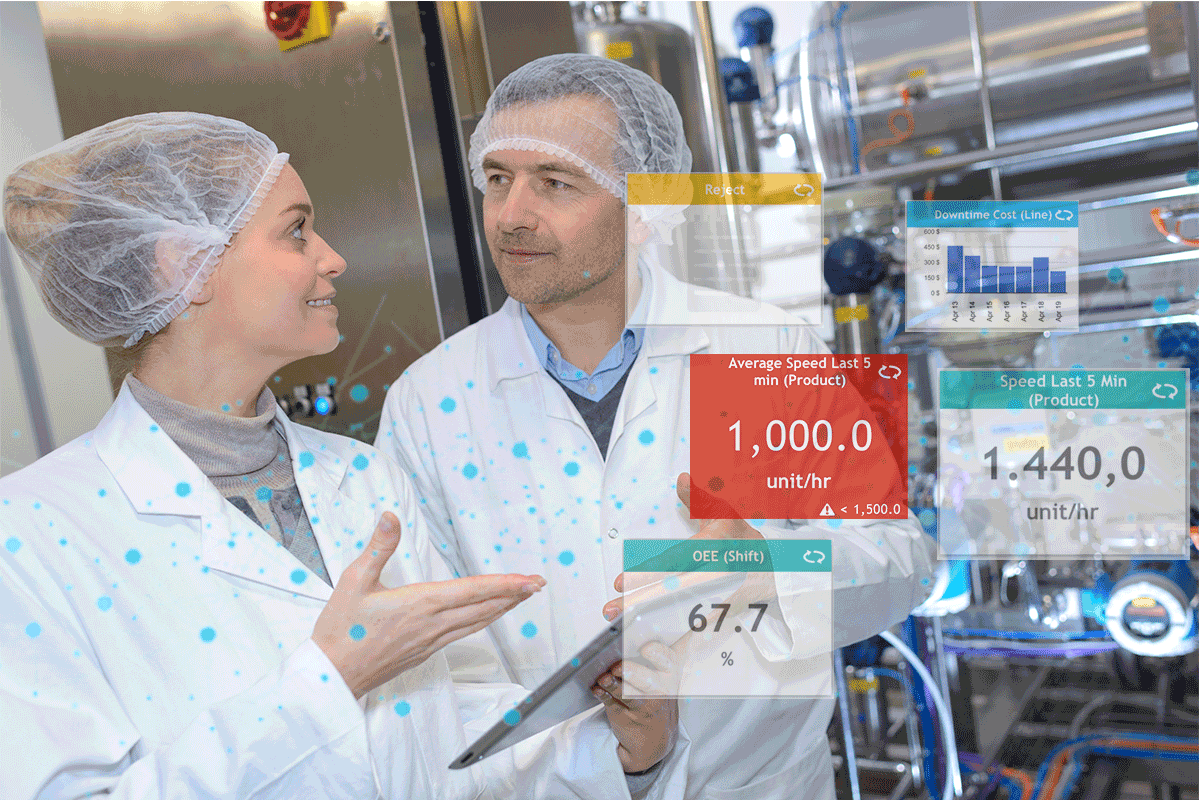
This growth puts pressure on poultry processors. They must continually improve their efficiency and optimize yield. One way to achieve this is by integrating technologies like TileBoard. TileBoard makes it possible to track production in real time and to know production data across the following stages of poultry processing.

What do poultry processors monitor?

Many of our customers operating in the poultry processing industry monitor different stages of their production: slaughter, gutting, deboning, cutting, portioning, injection, packaging and labeling with our TileConnect sensors and our TileBoard software.

Chicken

What are the key performance indicators?

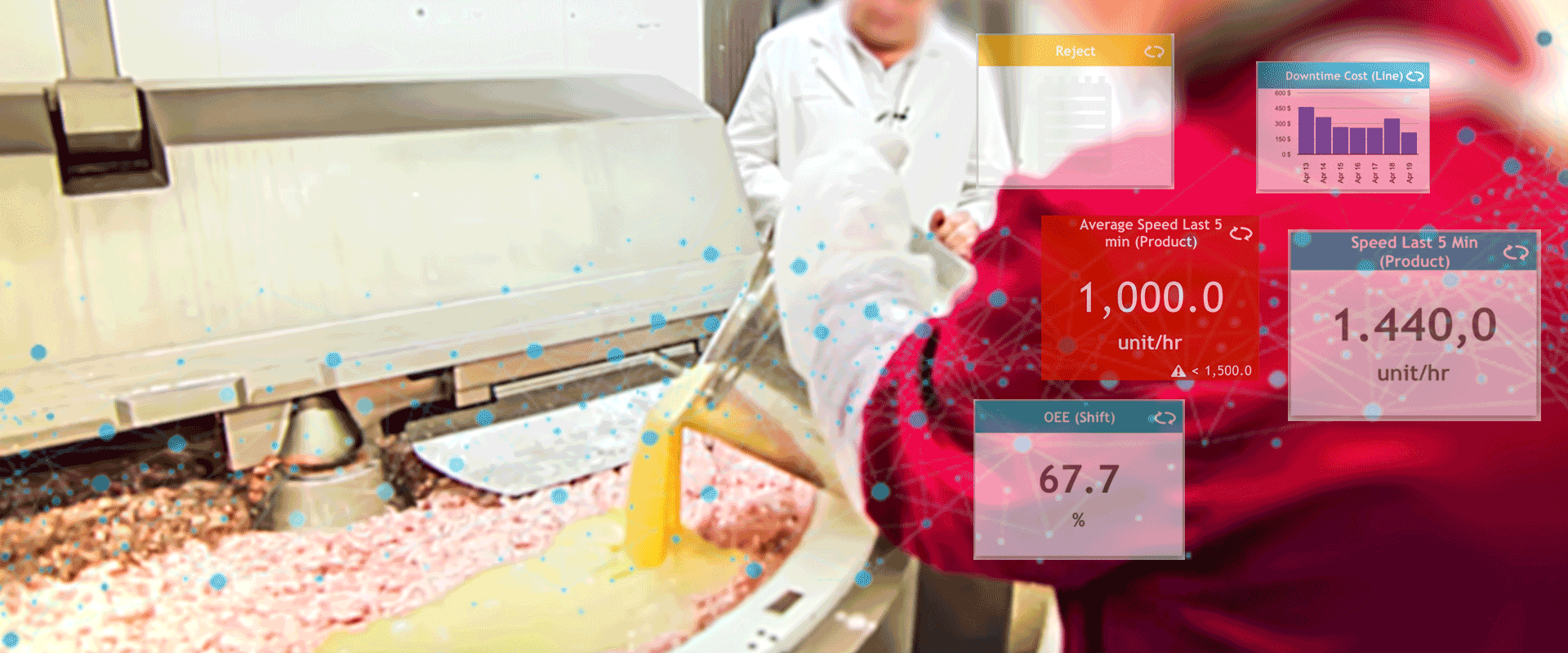
A dashboard-style software that tracks production in real time can be a powerful tool to optimize poultry processing operations. The most important KPIs for poultry processors are:

  1. KPI 1 – Production rate at cutting and deboning per employee
  2. KPI 2 – Downtime (shift)
  3. KPI 3 – Average speed last 5 minutes (product)
  4. KPI 4 – Average weight per unit at packaging
  5. KPI 5 - Yield

How big is the poultry industry in Canada?

In 2016, retail chicken purchases totaled approximately 698 million kilograms, or 59% of total chicken availability. Quick-service restaurants accounted for 280 million kilograms (24%), full-service restaurants for 135 million kilograms (12%), and hotels and other establishments for 64 million kilograms (5%).

In 2017, Canada produced 1.2 billion kilograms of chicken (eviscerated weight), of which 60.7% came from Quebec and Ontario. The average chicken availability for consumption in 2017 was 33.1 kilograms per person. During that same year, 134.1 million kilograms of chicken meat and edible chicken by-products (fresh, chilled or frozen) were exported to 44 countries for a total value of $441.1 million. The largest importers were the United States, the Philippines and Taiwan. Other countries included Hong Kong, South Africa, Cuba and Jamaica.
 

SOURCE: http://www.agr.gc.ca/fra/industrie-marches-et-commerce/renseignements-sur-les-secteurs-canadiens-de-lagroalimentaire/volaille-et-ufs/information-sur-le-marche-de-la-volaille-et-des-oeufs-industrie-canadienne/poulet/?id=1384971854392


Want to learn more?
Download the ebook
Related blog articles

Related articles

Back to the blog
Thank you! Your submission has been received!
Oops! Something went wrong while submitting the form.
10
Aug 2018

Three Ways Smart Manufacturing Creates Value

English
12
Jul 2018

Why you should monitor giveaway in real time your factory

English
11
Jul 2018

Worximity's TileBoard: Monitoring Typical Meat Processing KPIs

English

Related articles

Back to the blog
Thank you! Your submission has been received!
Oops! Something went wrong while submitting the form.
21
Jul 2023

CDAP: $15,000 Grant To Jump Start Canadian Manufacturing Digital Transformation Projects

With the rise of digitalization in the manufacturing industry, the Canada Digital Adoption Program (CDAP) and Worximity's smart factory performance manager software suite are helping manufacturers increase throughput and reduce production costs.

English
13
Jul 2023

5 Ways Production Monitoring Helps Reduce Turnover and Bridge the Skills Gap

Technology has an important role to play in not only bridging the manufacturing skills gap but also creating a positive and engaging work environment that fosters employee loyalty and retention.

English
28
Jun 2023

Investing in Industry 4.0: It’s now more important than ever for food & beverage manufacturers of all sizes

Faced with challenges that include labor and raw material shortages, tightened regulations ,and skyrocketing costs, companies like you are struggling to produce and price products to meet the demands of increasingly cost-conscious consumers and anxious stakeholders alike.

English