22/3/19

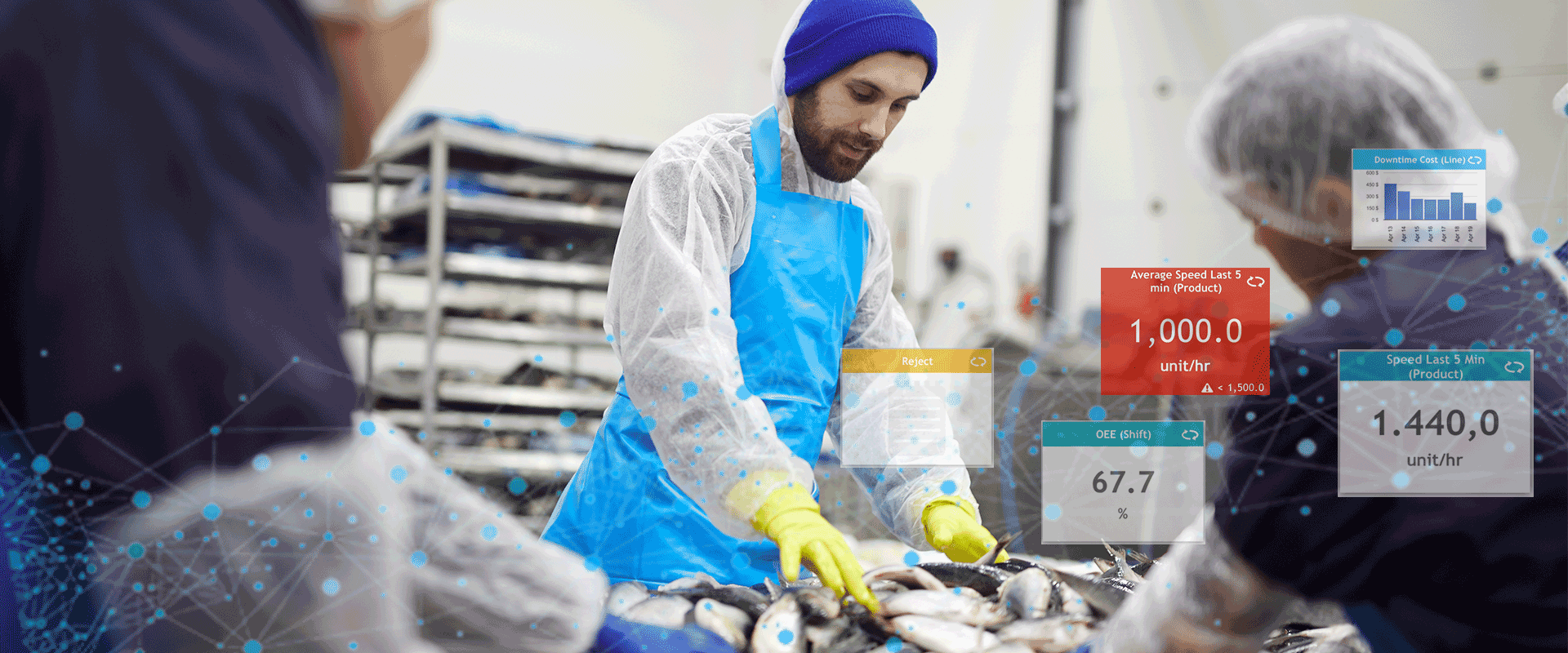
TileBoard for Fish Processors

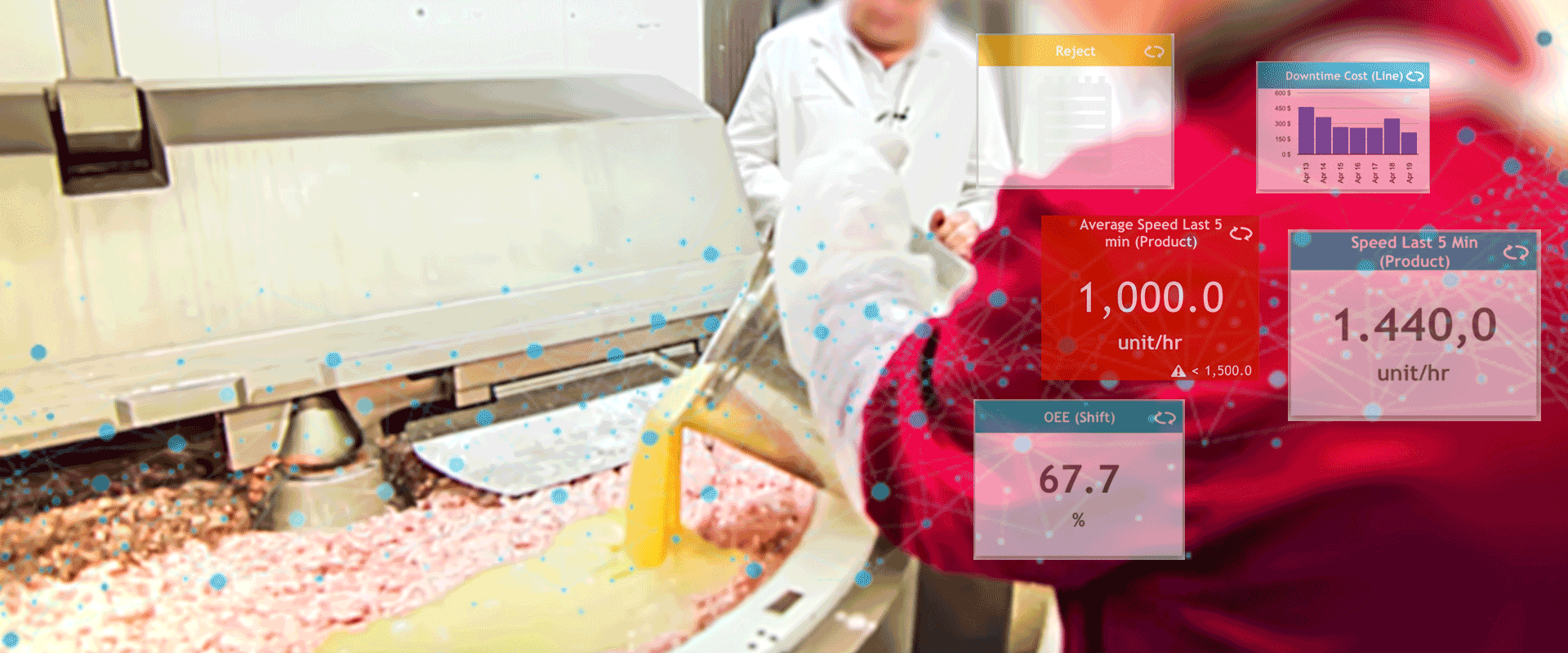
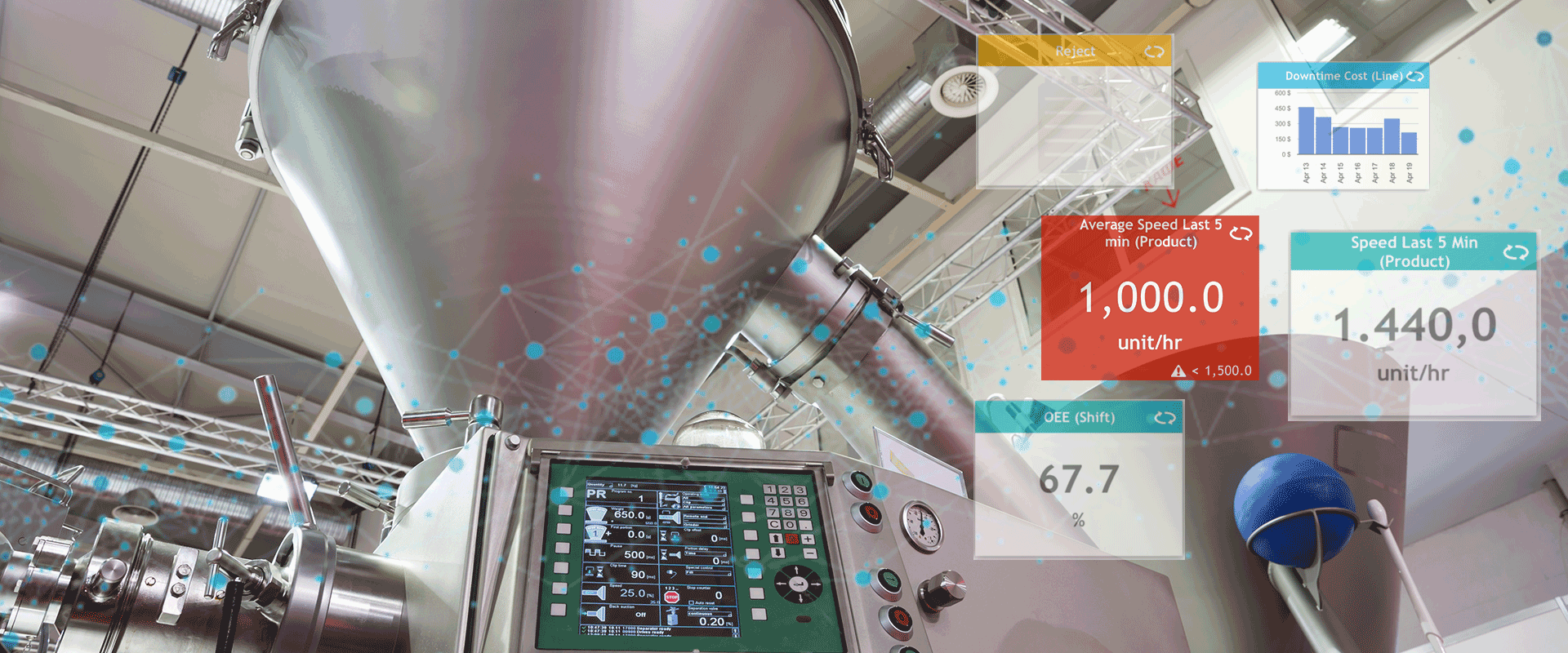
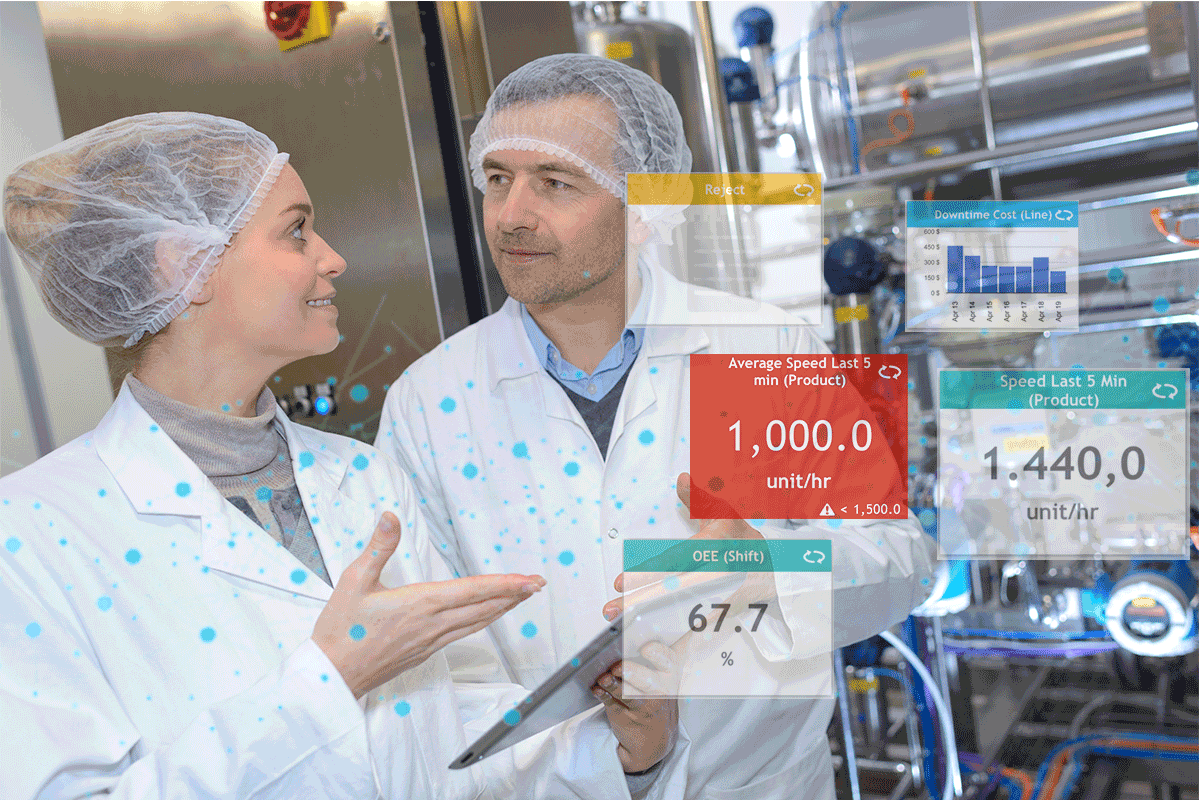
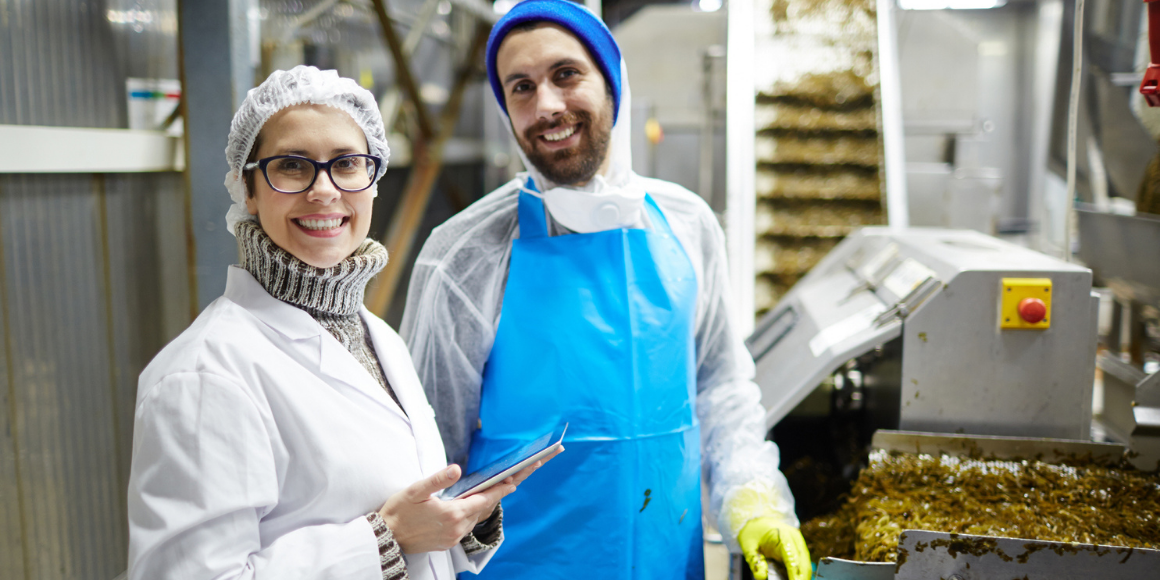
Many of our customers operating in the fish processing industry monitor different stages of their production: gutting, filleting, portioning, injection, seasoning, cooking, packaging and labeling with our TileConnect sensors and our TileBoard software.
Smart Meat Processing
TileBoard for Fish Processors

In 2012, there were 722 seafood processing establishments in Canada, most of them located in Nova Scotia (188), Newfoundland and Labrador (148), British Columbia (137) and New Brunswick (83).

During 2012, the sector generated revenues of $4.3 billion and employed more than 33,000 people. The industry is a net exporter of fish and seafood, with exports of $3.5 billion and imports of $2.7 billion. About 70% of total Canadian fish and seafood production is exported. 

Most Canadian exports go to the United States (55%), China (11%) and Japan (7%). Canada's main import markets are the United States (23%), China (17%), Thailand (12%) and Vietnam (10%).

What do fish processors monitor?

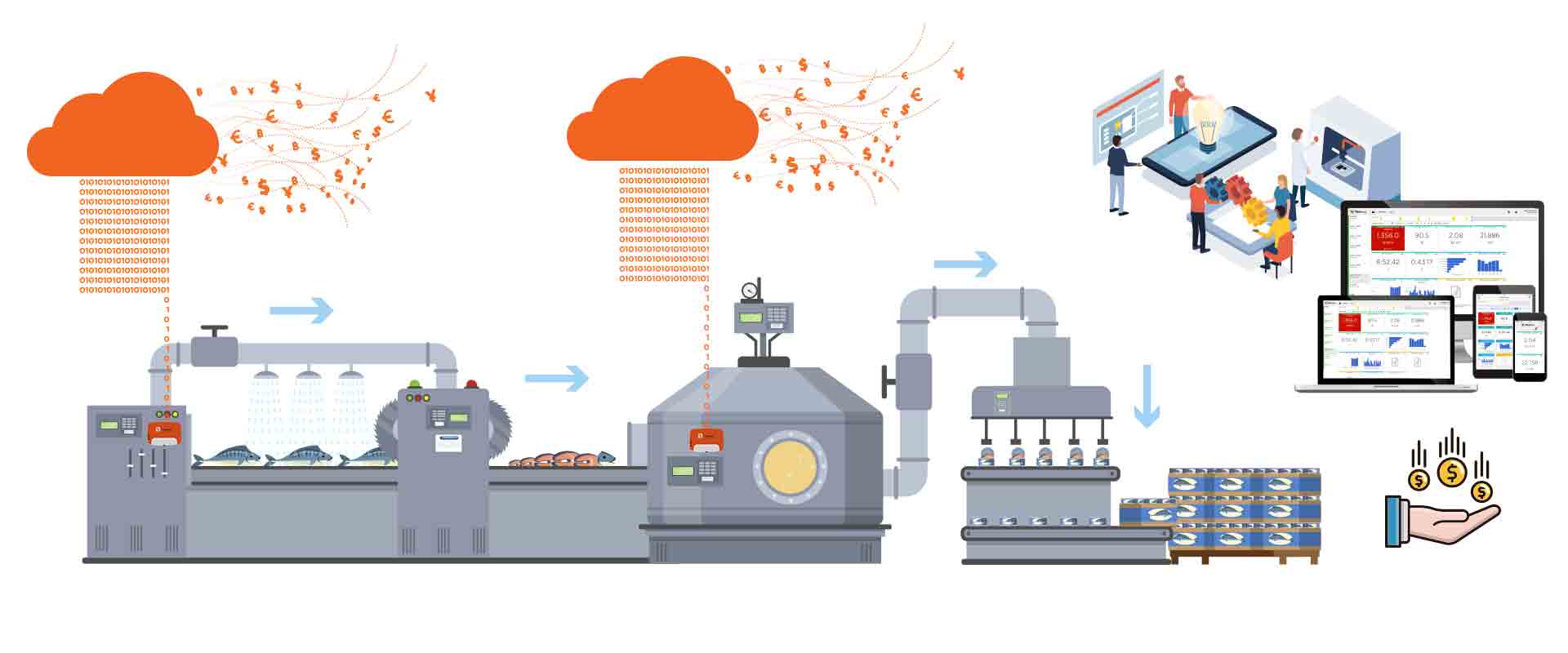
Many of our customers operating in the fish processing industry monitor different stages of their production: gutting, filleting, portioning, injection, seasoning, cooking, packaging and labeling with our TileConnect sensors and our TileBoard software.

Wx_Solutions_Meat_Fish

What are the key performance indicators?

A dashboard-style software that tracks production in real time can be a powerful tool to optimize operations. The most important KPIs for fish processors are:

  1. KPI 1 – Availability (shift)
  2. KPI 2 – Downtime (shift)
  3. KPI 3 – Quantity produced (shift)
  4. KPI 4 – Overproduction
  5. KPI 5 - Yield

Where does Canadian fish come from?

The industry sources from several regions of Canada. Atlantic and Pacific commercial fisheries are the largest suppliers, followed by aquaculture and freshwater fisheries. Shellfish account for 53% of ocean-caught harvests; pelagic fish (e.g., salmon and tuna), 24%; groundfish (e.g., cod, haddock), 21%. Freshwater fish account for 7% of wild-caught fish, with most coming from lakes in Ontario and Manitoba.

 

SOURCE: http://www5.agr.gc.ca/fra/industrie-marches-et-commerce/renseignements-sur-les-secteurs-canadiens-de-lagroalimentaire/aliments-et-boissons-transformes/profils-des-industries-de-la-transformation-des-aliments-et-des-boissons/industrie-canadienne-de-la-preparation-et-du-conditionnement-de-poissons-et-de-fruits-de-mer/?id=1449759885273

Want to learn more?
Download the ebook
Related blog articles

Related articles

Back to the blog
Thank you! Your submission has been received!
Oops! Something went wrong while submitting the form.
23
Feb 2021

Top 5 Ways to Improve Processing Capacity for the Food and Beverage Industry

English
1
Feb 2019

Introduction to Smart Meat Processing #5

English
22
Jan 2019

Will Robot Butchers Replace the Human Workforce? A Deeper Look Into Australia's Meat Industry

English

Related articles

Back to the blog
Thank you! Your submission has been received!
Oops! Something went wrong while submitting the form.
19
Apr 2021

Learn How to Improve Raw Materials Yield by Connecting Your Scales and Checkweighers

Here’s how connecting your scales and checkweighers leads to a quick ROI and better control on your raw materials.

English
1
Oct 2019

Big Data and Budgeting

In this article we’re going to dip our toes into the near future of manufacturing business and discuss Big Data and Budgeting.

English
20
Feb 2018

Worximity will be part of the Supercluster Scale AI

Worximity will be part of the Supercluster Scale AI (Supply Chains And Logistics Excellence.AI). It's mission is to shape a new global supply chain platform and bolster Canada’s leadership in artificial intelligence (AI)

English