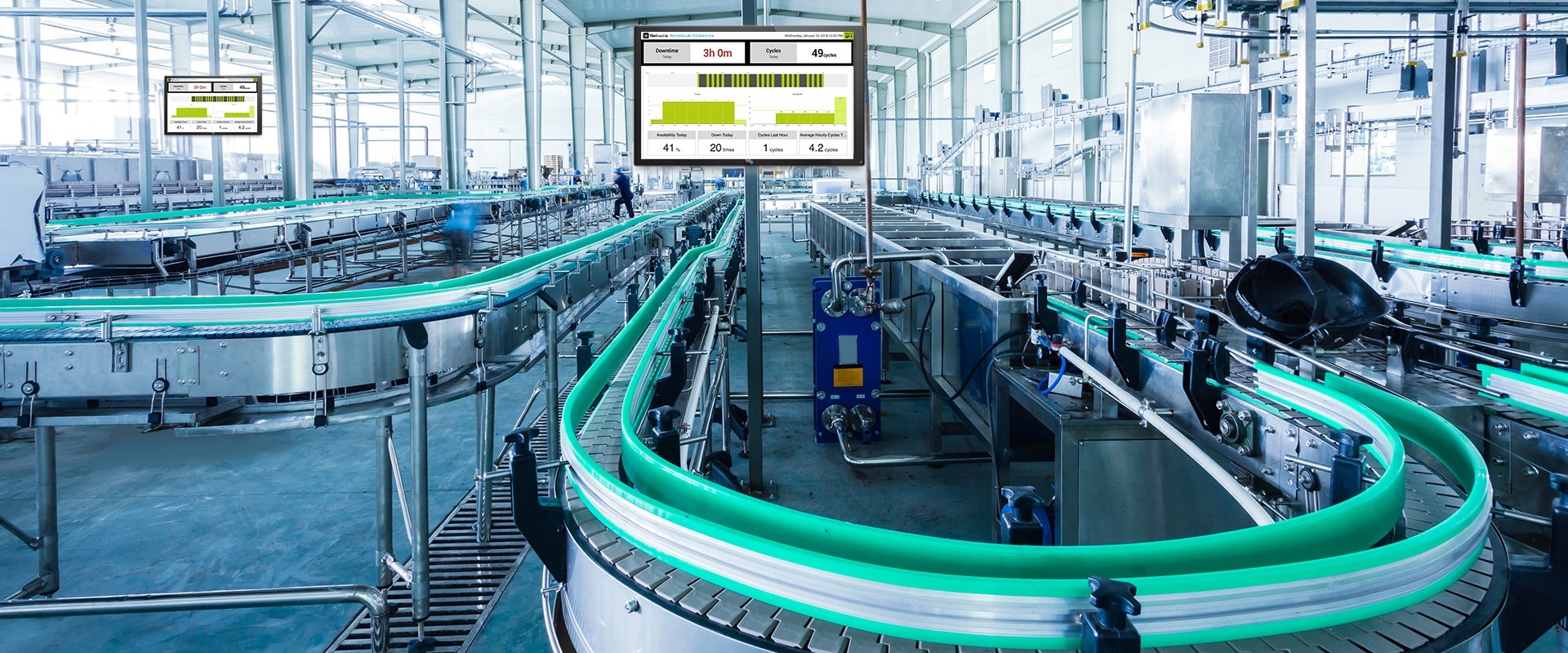
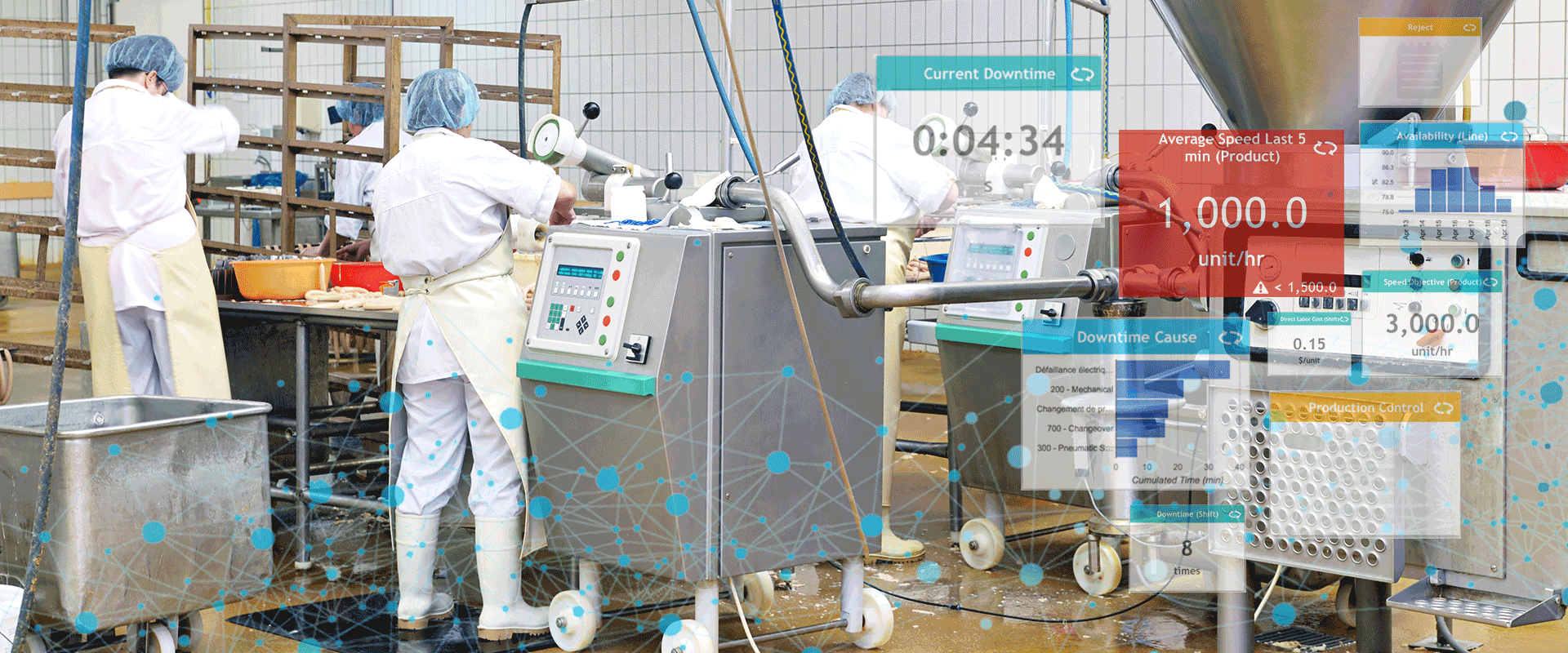
Data-driven companies are the ones blazing trails in today’s markets, and everyone wants a piece of the IoT pie. But far too often an overzealous push to convert to IoT will result in failure and no or only partial implementation. The secret is to start slow, follow a plan, and change flexibly. By following the three steps of transformation, a company can ensure a successful move to data-driven management in your food processing factory.
1. Look for Quick Wins
It’s important not to rush in when fundamentally changing a company’s structure. Instead, pilot programs can be used as a proof of concept to show the benefits of IoT on productivity. To achieve this, the chosen cases should have a high chance of success, give rapid returns, and be highly visible to upper management. To achieve this, companies should choose easy-to-implement projects that are unobtrusive to other functions.
2. Create a Roadmap to Success
When the pilot projects prove successful, it’s time to begin planning for the future. At this stage, high priority use cases can be identified for conversion, and further implantation can be slated on all company levels. The company can begin to invest more in industrial analytics in preparation for the transformation and look at industry best practices to emulate.
3. Fully Embrace Change with IoT
As the switch over to IoT begins to affect all levels of the company, new position, procedures, and policies must be established. The necessary data management and analysis positions must be created, guidelines on data formatting must be enforced, and the proper structure to handle and organize all the new data must be put into place. Finally, a flexible company structure can be implemented, with specialized teams to tackle problems in the now fully integrated, data-driven company.
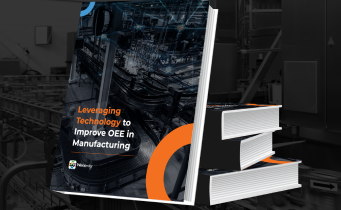
Want to learn more about IoT the three steps? Find the full article here and download the Worximity e-book here.