
As increasing costs continue to negatively impact the manufacturing sector, effective cost management is important for sustaining profitability. A critical focus in continuous improvement is reducing manufacturing rework—a costly waste that affects various facets of production and impacts the bottom line. While it's a step better than scrapping an entire product, rework isn't without its challenges and costs.
What is Manufacturing Rework?
Manufacturing rework is the corrective process applied to products or components that don't meet the specified quality criteria during initial production. Instead of discarding the entire item, manufacturers opt to fix the identified defects or issues, salvaging the product while aiming to meet quality standards.
Causes of Manufacturing Rework:
Several factors contribute to the need for rework in manufacturing:
- Human Error: Mistakes happen, and in manufacturing, even a small error in assembly or production can lead to the need for rework.
- Equipment Issues: Malfunctions or inaccuracies in manufacturing equipment can result in defects that require correction.
- Material Deficiencies: Variations or problems in raw materials can lead to defects in the final product, necessitating rework.
- Design Changes: Modifications in product design or specifications may require adjustments during production, leading to potential rework.
Reducing Manufacturing Rework:
Reducing the need for rework is a goal for manufacturers seeking efficiency and cost-effectiveness. Strategies include:
- Root Cause Analysis: Identifying the underlying causes of defects allows manufacturers to implement preventive measures, minimizing the likelihood of rework.
- Quality Control Systems: Robust quality control systems help catch defects early in the production process, reducing the need for extensive rework.
- Employee Training: Well-trained staff are less likely to make errors, contributing to a reduction in defects and the need for rework.
- Process Optimization: Continuous improvement initiatives focus on streamlining processes to minimize the occurrence of defects, thereby reducing rework.
Industries Most Affected by Rework:
While rework is a concern across various industries, it tends to have a more significant impact in sectors where precision and quality are critical. Industries such as aerospace, automotive, electronics, and medical device manufacturing often face stringent quality standards, making the need for rework more pronounced.
The Role of Real-Time Production Monitoring:
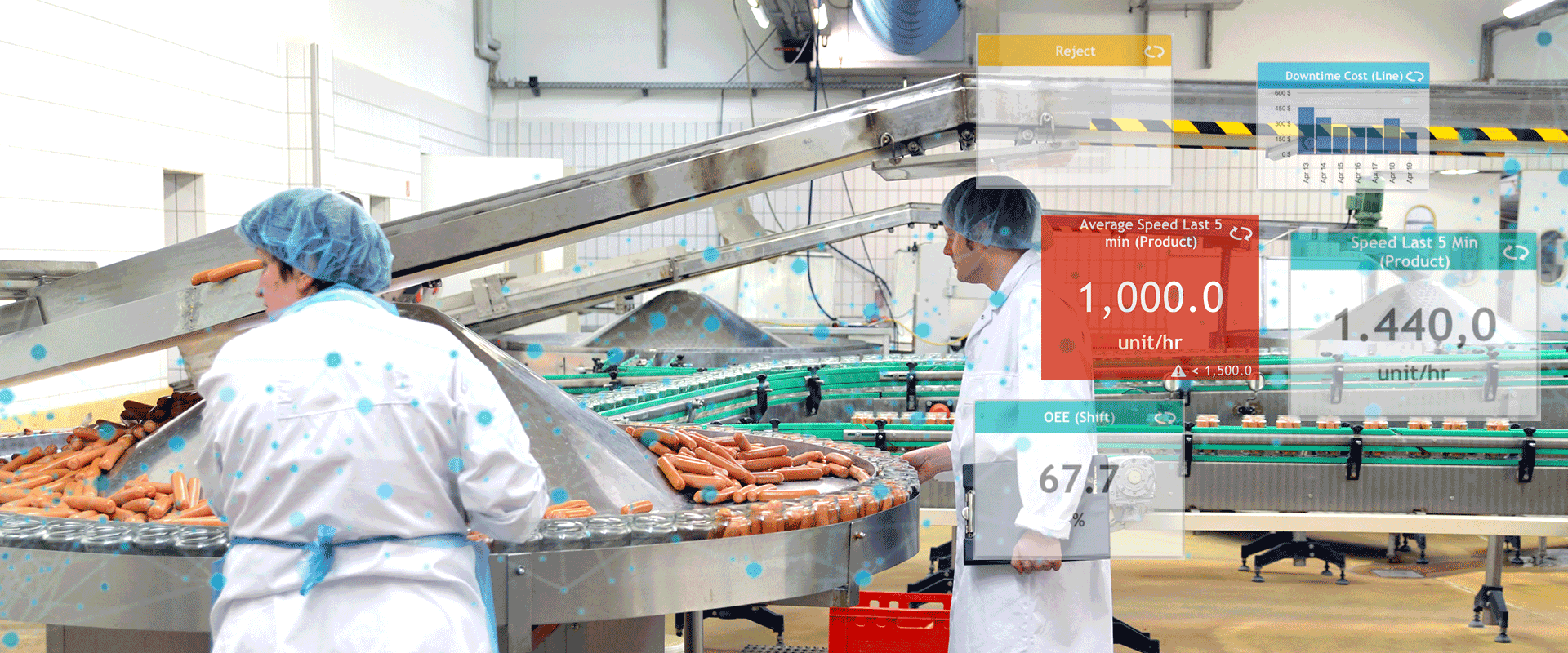
Real-time production monitoring is a solution designed to provide companies with a clear and immediate view of their manufacturing processes and can help in industries where rework can incur significant costs. It aids in:
- Timely Issue Detection: Real-time monitoring allows for the quick identification of deviations from quality standards, enabling timely corrective action and reducing the need for extensive rework.
- Process Optimization: By offering insights into production metrics, Worximity's monitoring supports ongoing process optimization, helping manufacturers proactively address potential issues before they escalate.
- Resource Efficiency: Monitoring production in real-time enhances resource efficiency, minimizing the risks of human errors and equipment malfunctions that may lead to defects and rework.
While manufacturing rework serves as a valuable mechanism to salvage products, it comes at a cost. Worximity's real-time production monitoring can be a valuable tool in the quest to reduce rework, offering actionable insights to manufacturers striving for efficiency, cost-effectiveness, and improved overall product quality. Learn more about our products and services.