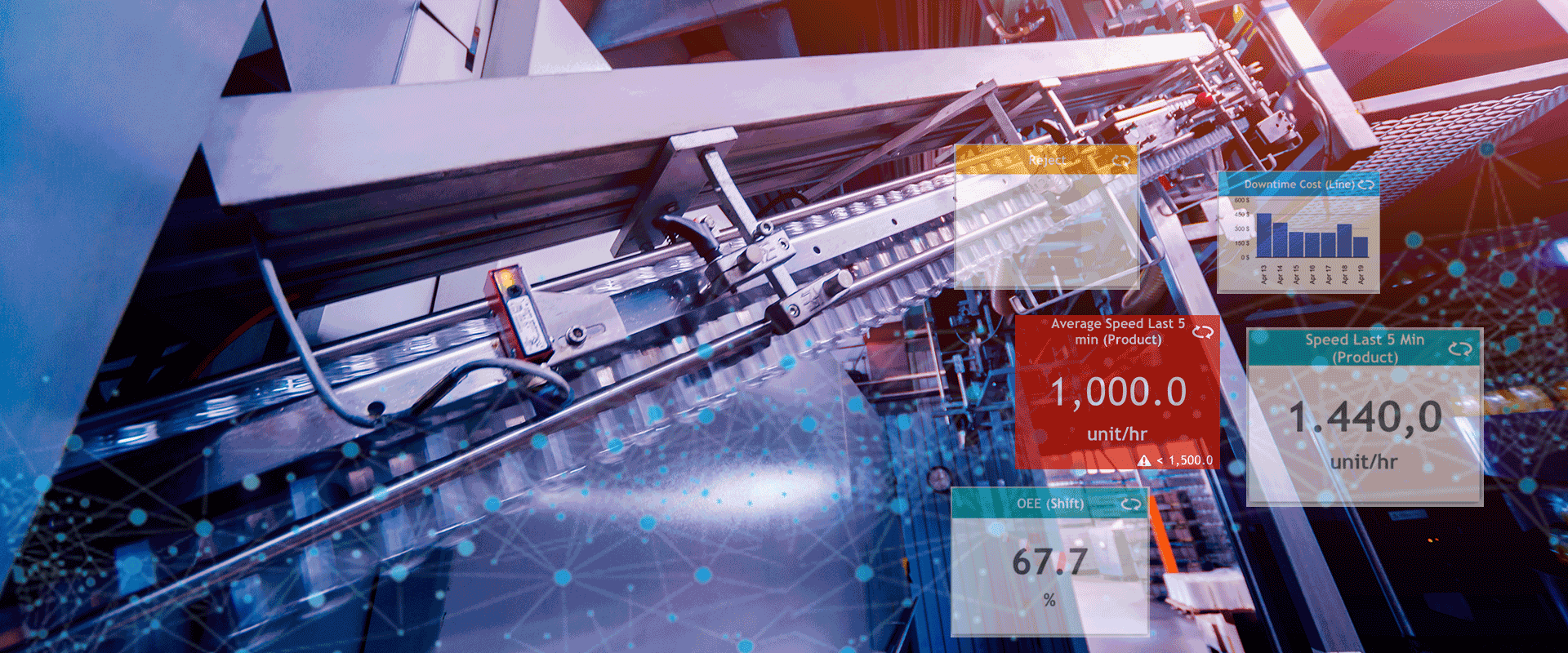
Managing a production floor can be difficult for even the most seasoned operations managers. From increasing lead times to complete production shutdowns, there is a wide array of issues that may arise on any given day. However, when an operations manager is in control of their production floor in real-time, even the most grueling dilemmas can feel no more than routine.
Below are three crucial impacts of an operations manager who is fully in control of their production floor in real-time.
Daily Production Goals
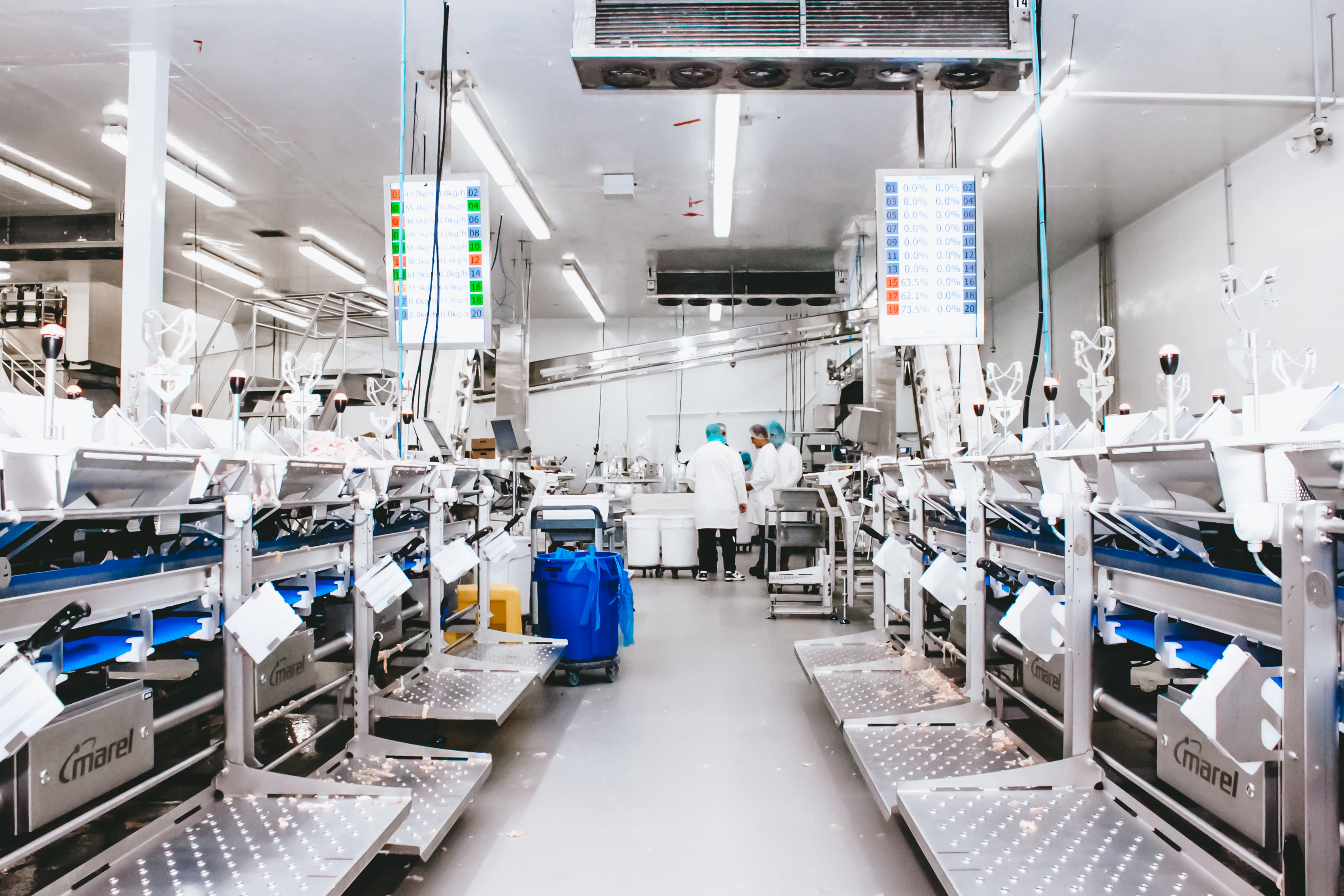
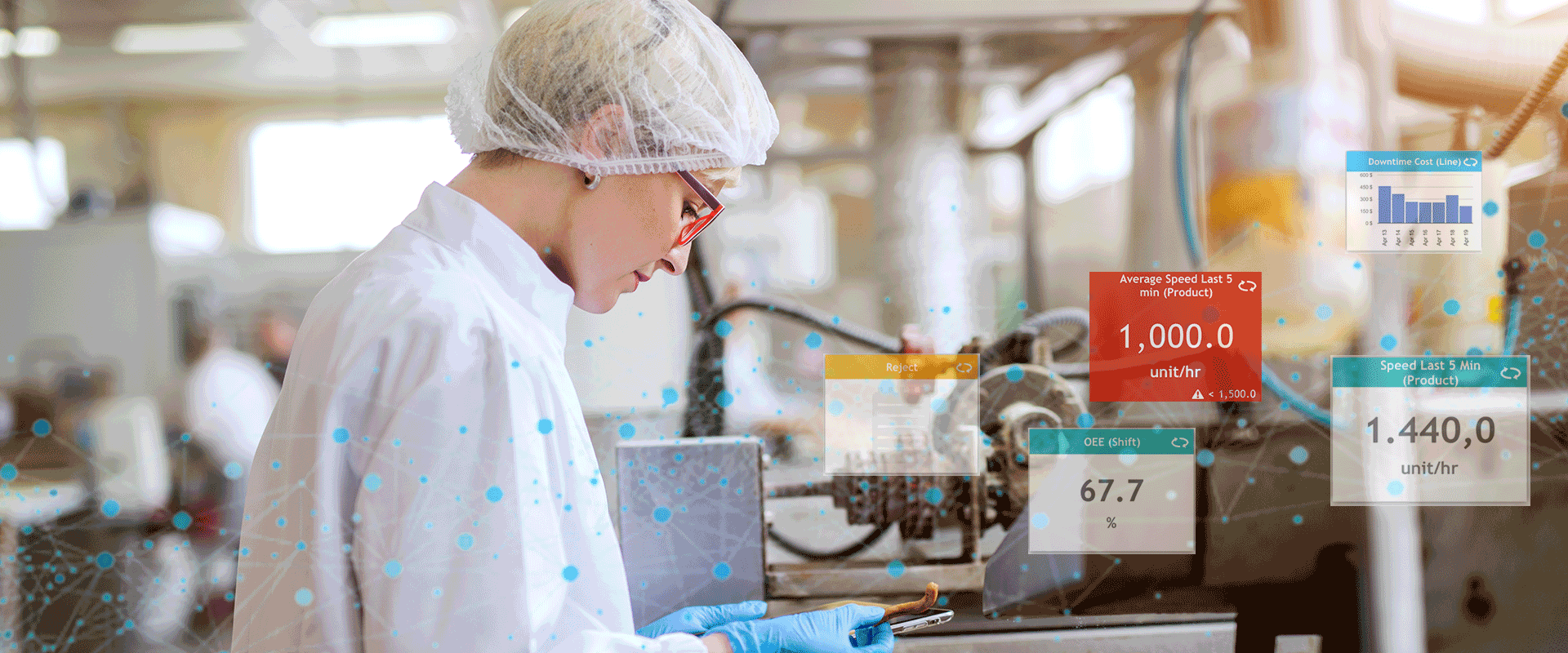
Each day, an operations manager is tasked with meeting daily quotas. Although this sounds simple enough, the actual action of ensuring that the process goes smoothly can be agonizing. Production may be slowed down by workplace injuries, defective equipment, or simply lethargic employees. These obstacles and so many more are all possible and put the operations manager at the risk of not meeting daily production goals. Even with all these complications, a production floor can consistently meet goals under the control of an operations manager supported by real-time insights into where deviations from plan are occuring. By receiving real-time alerts, an operations manager can make quick adjustments during production to speed up the process or troubleshoot issues if needed.
Avoidance of Overtime
One of the biggest obstacles to high-production efficiency is overtime. Many different incidences can occur that contribute to overtime, but the major cause of overtime is bottlenecking. When a critical workstation begins to bottleneck, the amount of labor expense being invested can far exceed the amount of output value being delivered. When bottlenecking develops, both upstream and downstream workstations are at risk of underperforming and may have to work overtime to meet daily production quotas. However, this may be avoided if the problem is made apparent to the operations manager before the bottleneck matures. By seeing the issue occur in real-time, the operations manager has time to allocate employees from slower workstations to the at-risk area. As bottlenecks continue to appear, the operations manager can continuously re-allocate employees to busier stations, creating a more fluid production process while preventing overtime.
Reduction of Downtime
On any production floor, a machine may malfunction and cause a shutdown to a workstation. This downtime, created by even just one machine, has the potential to negatively impact the entire production process. If the problem is unable to be relayed to the operations manager and allowed to remain unattended, hours of production may be lost both at the workstation as well as upstream and downstream of the incident. When an operations manager can receive real-time alerts to problems on the production floor, he/she can address the issues instantaneously. The operations manager can immediately dispatch the maintenance staff necessary to resolve the issue and minimize production time loss.
These are just 3 impacts of an operations manager who is fully in control of their production floor in real-time. Explore more blogs to discover even more impacts that are possible for your manufacturing business.
Are you interested in becoming a more successful operations manager? You need real-time shop floor analytics. Start a free 1 month trial now and see what you're missing.