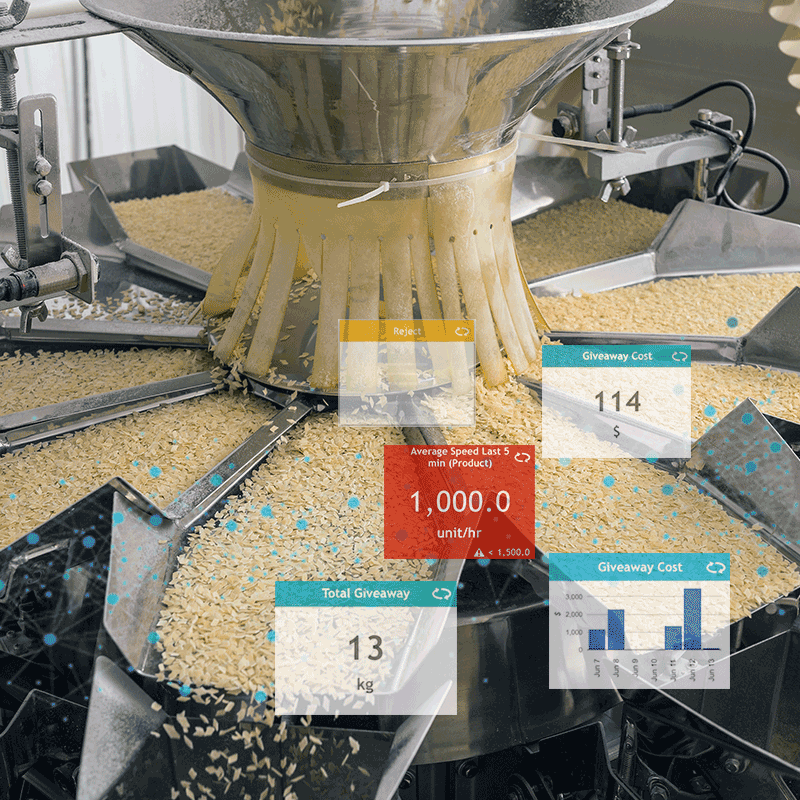
Your food and beverage factory may not be networked but, like the sea-change that emerged with the arrival of smart phones, IIoT is quickly advancing as a universal approach to food and beverage factory monitoring and production.
Making the transition to IIoT is a significant move to make. It means not only having to maintain the 99.999% of reliability required to run a food and beverage manufacturing facility, but also knowing the environmental constraints unique to your factory. As Toni Hauert writes in, "Making a Connection in Food and Beverage Processing," the "right combination of connectivity" must be chosen.
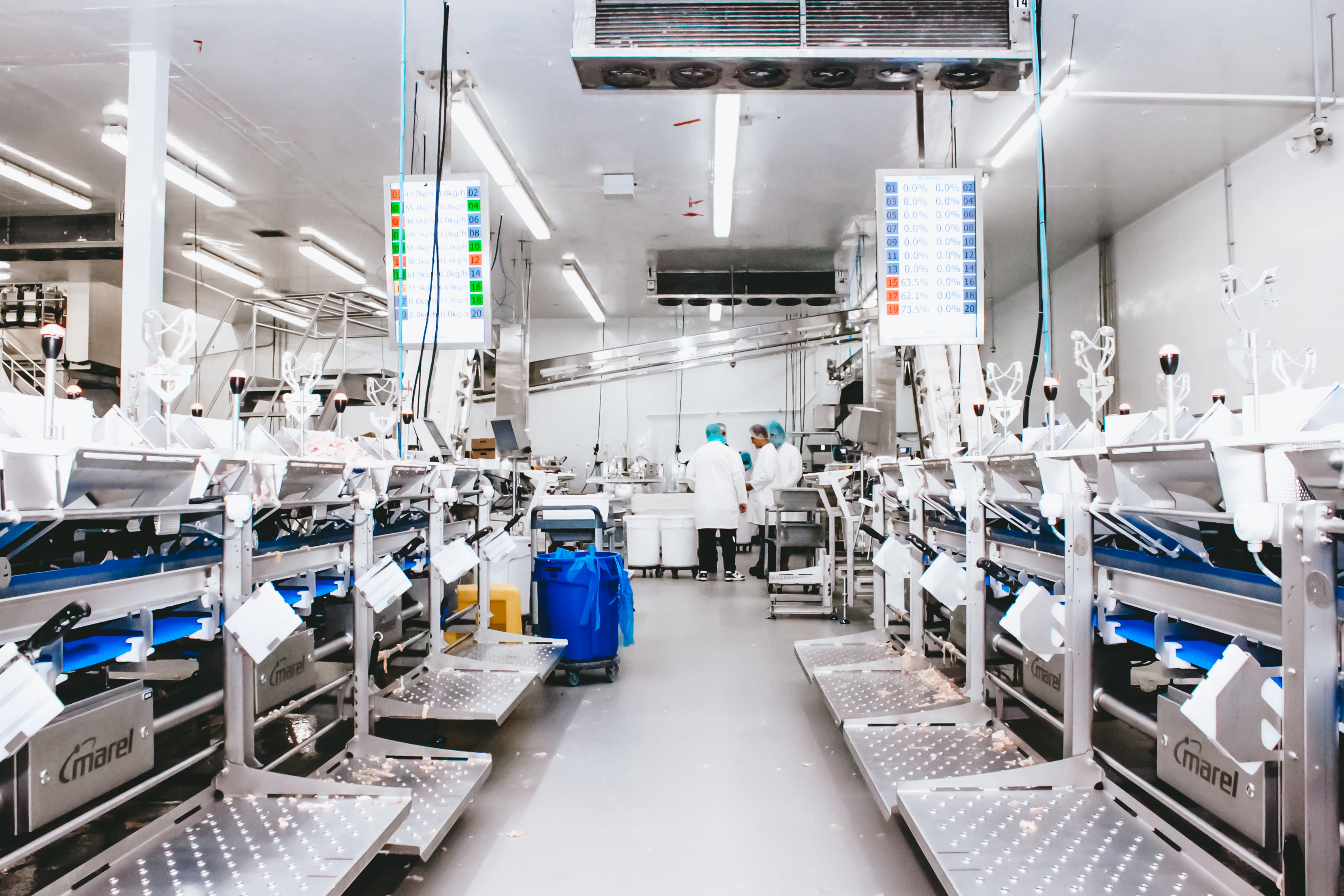
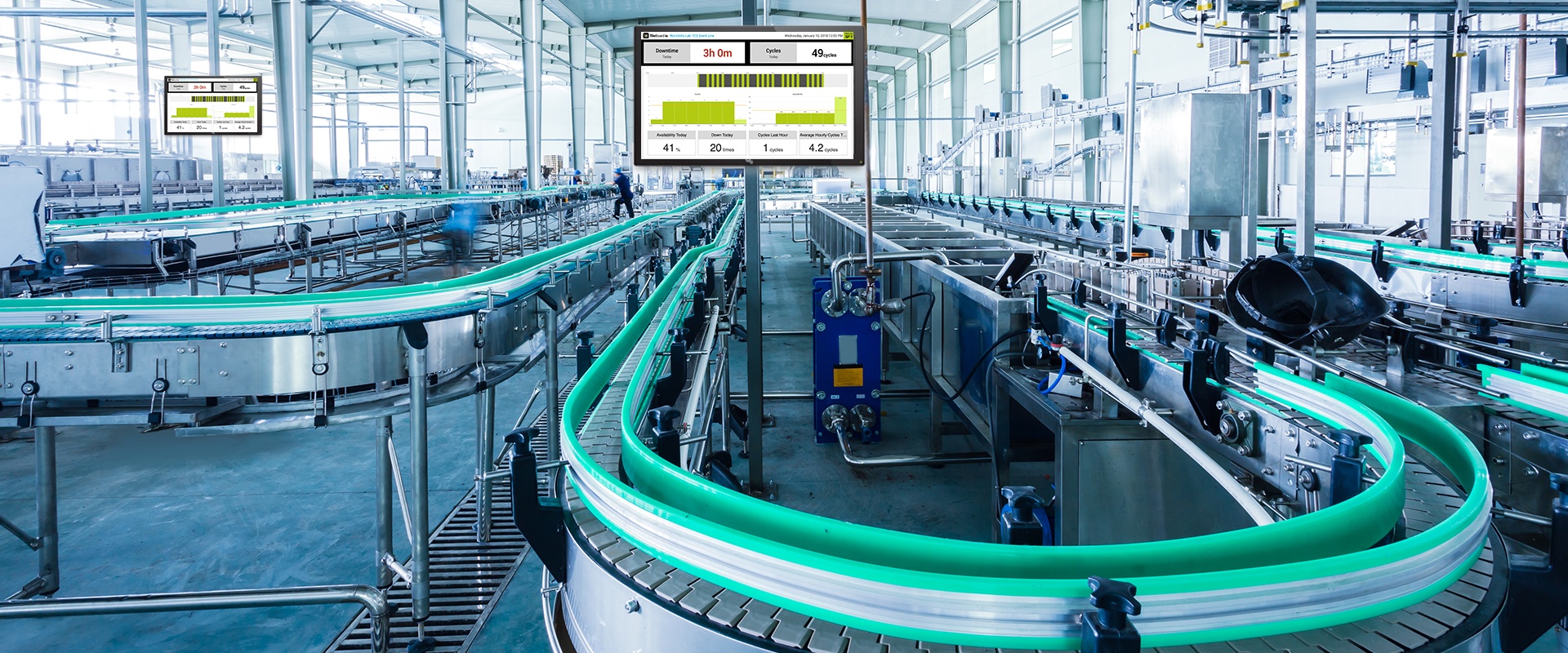
Avoid the high cost of downtime by monitoring in your factory
According to research by Belden, "the average downtime in the [food and beverage] industry is estimated to be as high as 500 hours per year, with the loss valued between $20,000-$30,000 per hour." With IIoT, Hauert says, "It’s imperative to design and build a reliable network that can ensure optimal uptime."
Consider the environmental factors
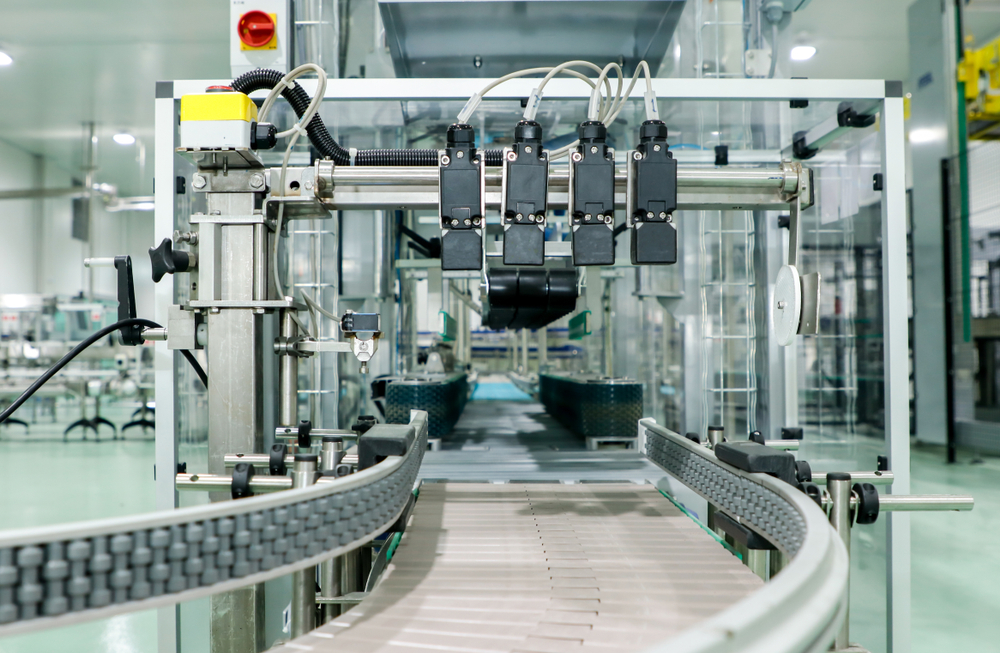
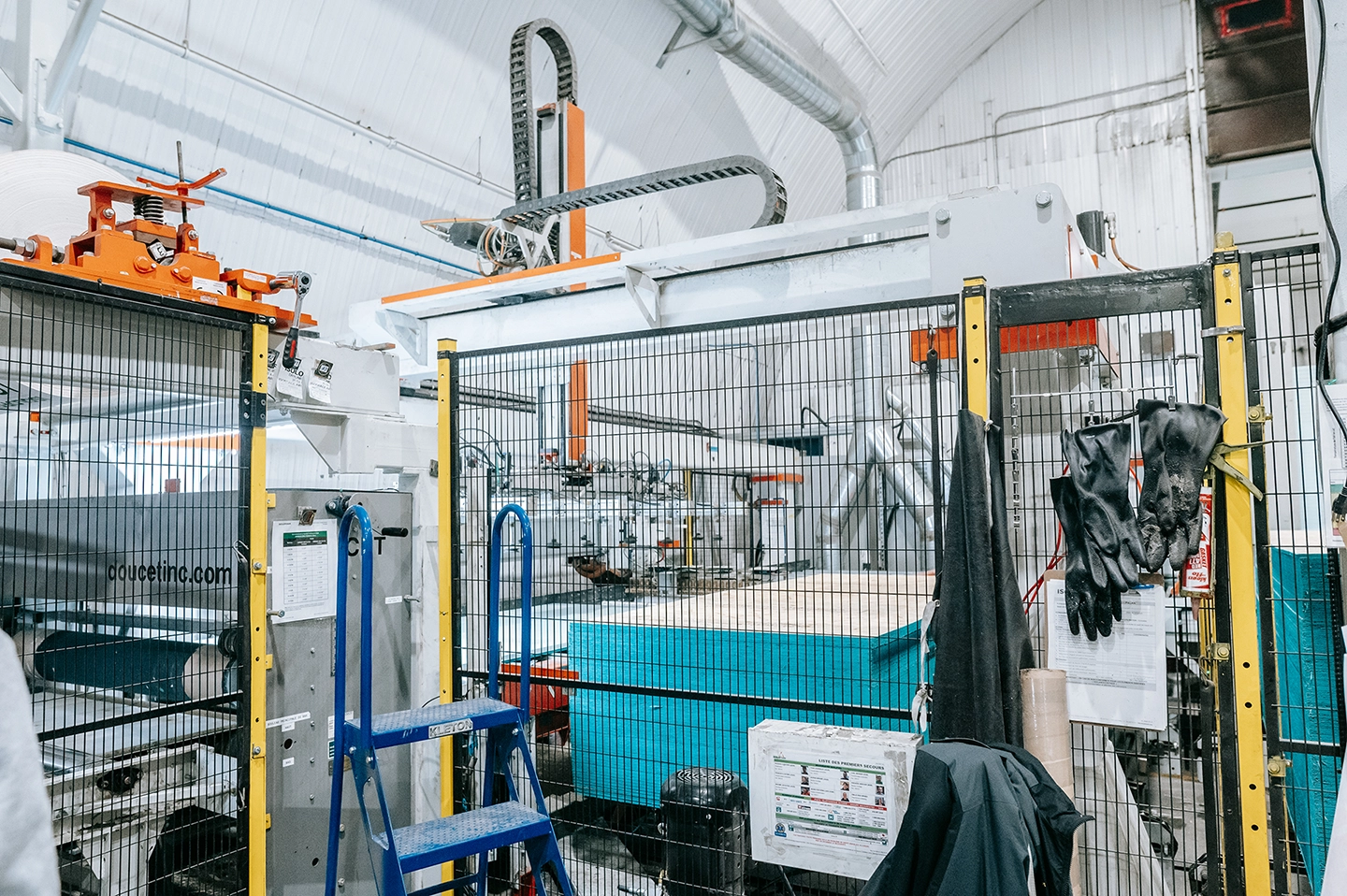
The equipment used to network your factory should be selected judiciously. Huart cites examples of harsh conditions like extreme temperature ranges, high humidity, caustic cleansing agents, powerful equipment vibrations, and combustible dust.
IIoT demands robust connectivity
Being connected means your smart factory has to perform optimally in spite of harsh conditions. "Mission—critical equipment used in food and beverage processing requires a sound communication structure and customized wiring solutions," says Hauert. When this level of set-up and monitoring is achieved, "processors find exponential growth in two key areas: the variety of data and the volume of data." Network cables and connectors must "be able to withstand constant wash-downs with high pressure washers and submersed in liquid."
Wiring for the smart factory
The smart factory requires, "customized solutions that can tolerate and perform in the stressful conditions of the production environment," says Huart. Depending on your set-up and budget needs, passive or active wiring systems can be implemented.
I/O Modules: Key to Diverse Data Transmission
Huart says, "For optimum wiring, it’s important to consider the resistance of I/O modules to the harsh effects of the environment in which they are required to perform." With a robust networking system in place, your smart factory will be hardwired for digital and market success.
Source + read the whole article