Non-Utilization Waste in Lean Manufacturing is when personnel are idle waiting for the materials to come from a previous manufacturing step, or when people are under-utilized relative to their skills or knowledge set.
Non-Utilization Waste is the only Lean Manufacturing waste that is not directly connected to a manufacturing process but instead is a management issue. If people are not adding the most value possible for their skill set and availability this is non-utilization waste.
Non-Utilization Waste manifests itself as people:
- not being on task
- not following processes
- not having well established processes
- not leveraging available critical thinking skills
- and in overall demotivation due to broken processes or an inability of the person to provide feedback to the management system on how to improve processes, conditions or products.
If management is not actively engaged with employees to partner toward continuous improvement and allow employees to have input and influence positive change, non-utilization waste is created by default.
Non-Utilization Waste is the waste of human potential, often the most costly waste of all. It occurs when management is too separated from the role of employees and managers view themselves as the sole resource for organizing, planning, assigning, controlling or improving work processes. When the role of employees is to simply follow directions without question, non-utilization waste is bound to happen.
It is often the case that the people performing the work can more immediately see where problems lay and the opportunities for improvement exist and these people often can develop the best solutions to eliminate waste.
Non-Utilization waste was not part of the Toyota Production Systems original set of wastes but has been added as an eighth type of waste and is often a barrier to reducing or eliminating the other types of waste.
Non-Utilization Waste can occur from:
- administrative types of tasks that don’t add value
- ineffective communication
- lack of a teamwork environment
- mis-assignment of tasks to people with the wrong skills
- poor training
- poor listening skills
- rushed decisions
Many businesses suffer non-utilization waste, primarily because it is a cultural, not a technical issue. Signs of non-utilization waste can include low morale, inconsistent production or quality, unengaged people, micromanaging and lack of employee empowerment to make decisions.
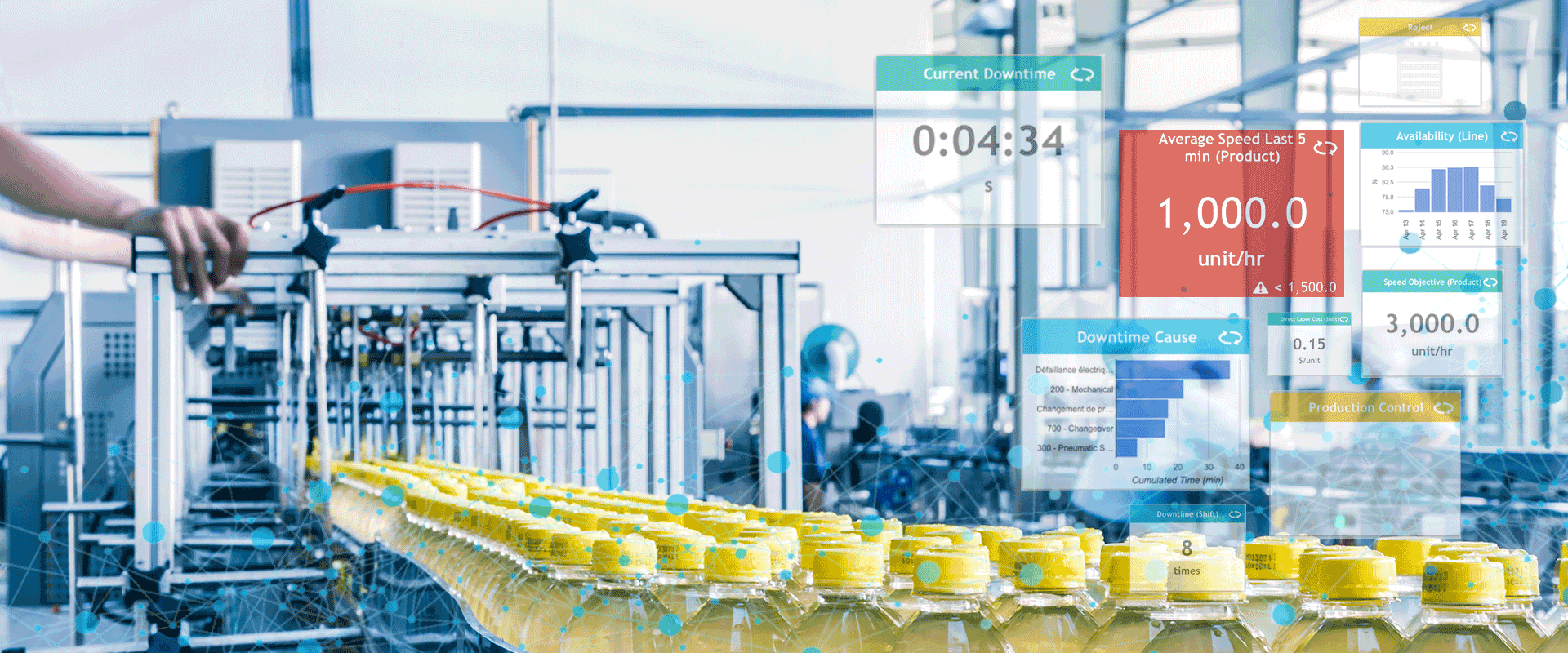
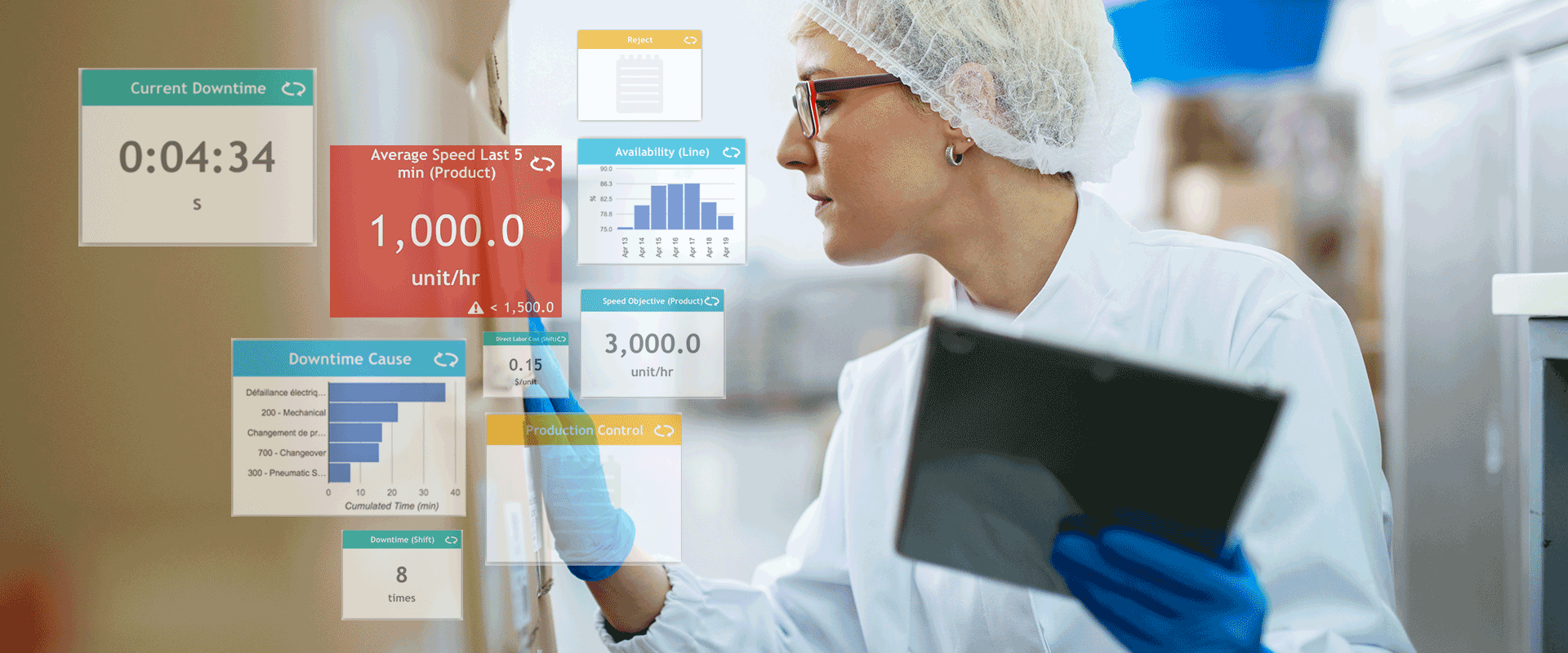
"A key step to empowering people to make decisions is to provide them with the right information at the right time to make great decisions. Implementing Smart Factory Analytics can be an impetus for culture change as it’s quite possible that your factory could not truly empower employees because the necessary information to make great decisions on the shop floor was not available." - Myriam Laganière
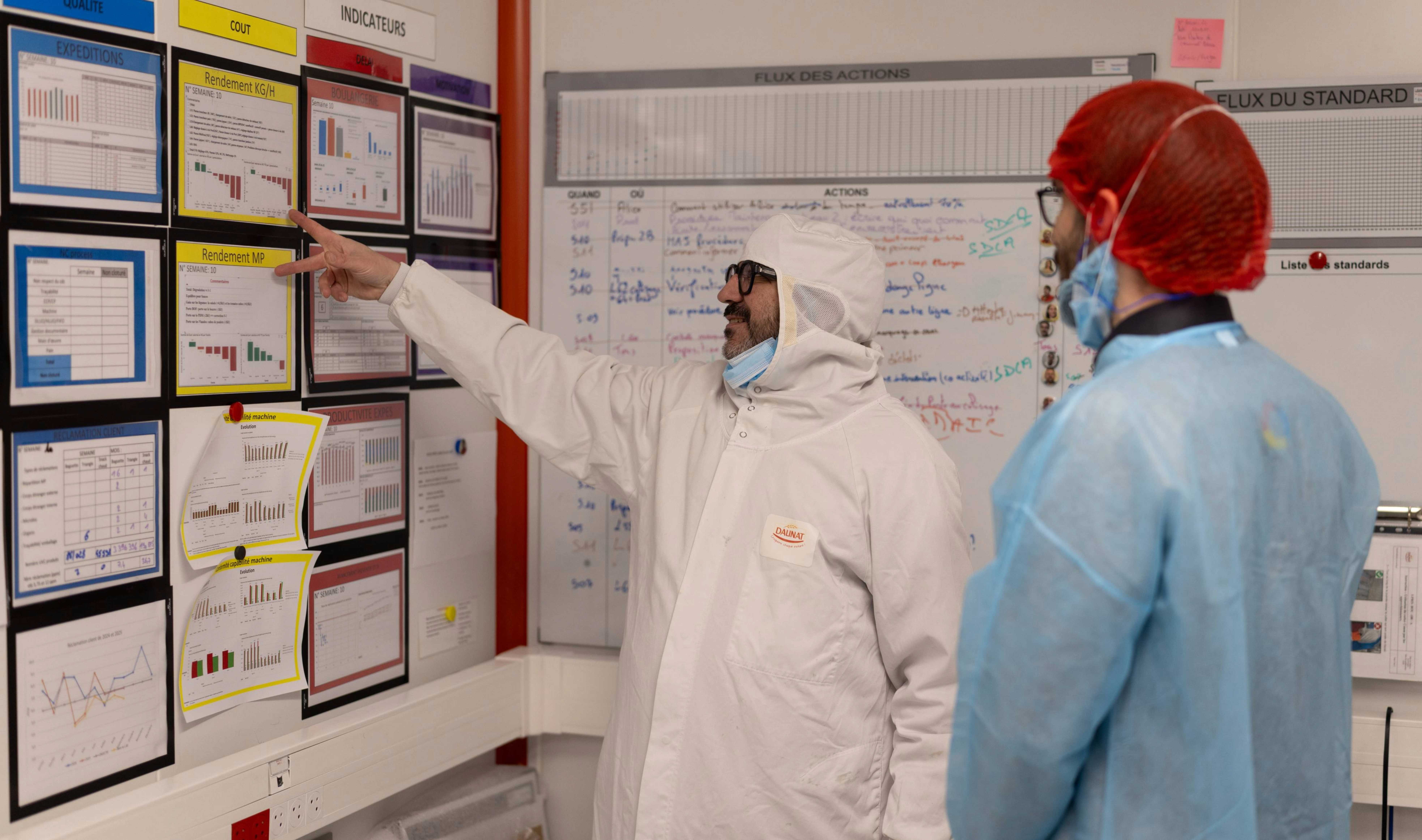
One example of how Smart Factory Analytics changed a company’s culture is…
The eight wastes of lean manufacturing can be remembered with the acronym DOWNTIME:
Read Types of Waste in Lean Manufacturing - Part 5 - Transport Waste