13/4/18

Types of Waste in Lean Manufacturing - Part 7 - Motion Waste

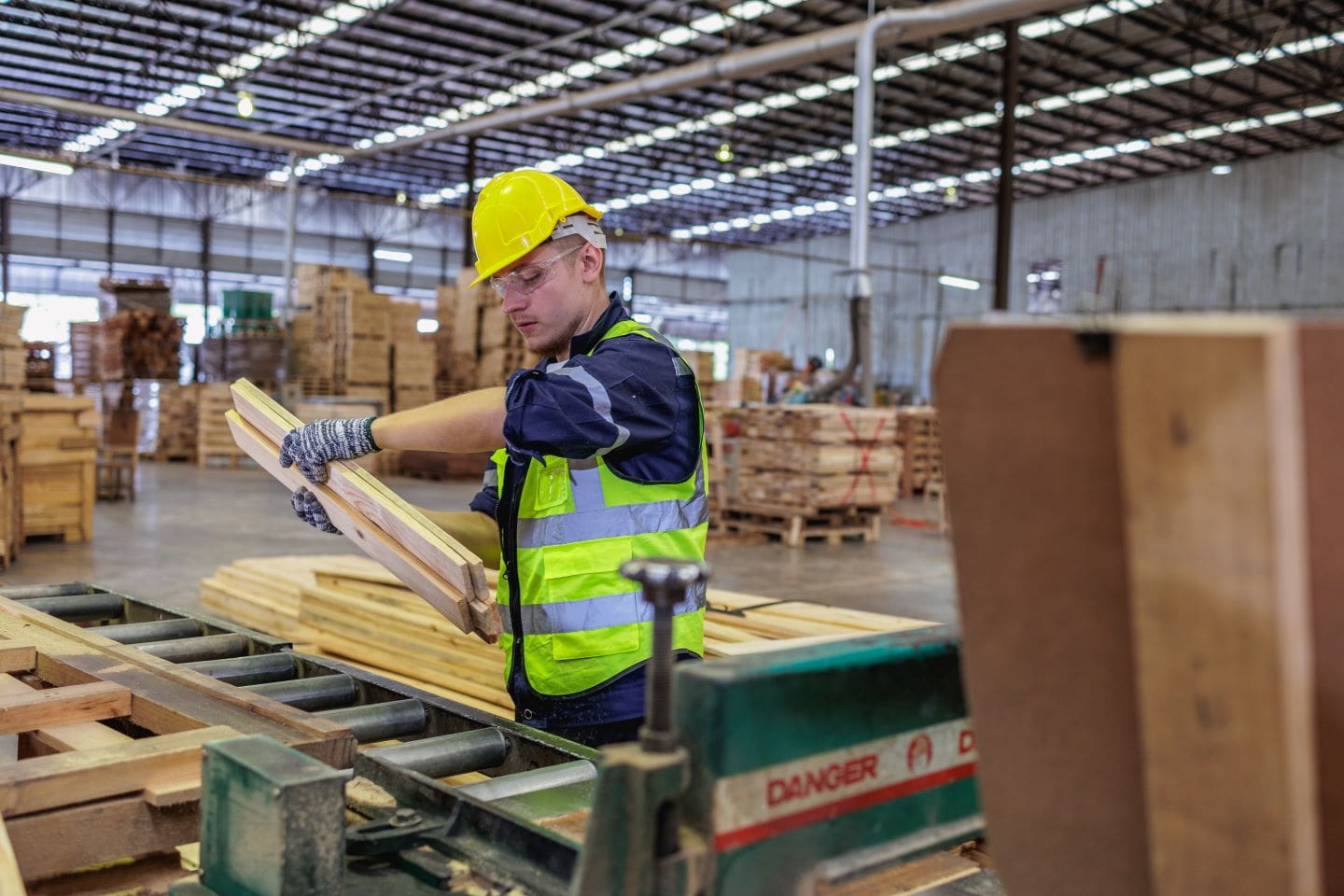
Not only does motion waste cost money in lean manufacturing, it can also lead to unnecessary accidents and injuries.

No items found.
Types of Waste in Lean Manufacturing - Part 7 - Motion Waste

When Lean Manufacturing approaches the issue of motion it is not related to the physical movement of products that are used to create the end result (Transport Waste), but rather the people or equipment that are used to create physical products.

Motion Wasted in lean manufacturing is the increased motion of machinery or a person due to an inefficient manufacturing process. Wasted motion increases the amount of wear and tear on both workers and machinery, therefore decreasing its lifespan or ability to work on at a manufacturing site. Not only does wasted motion cost money, it can also lead to unnecessary accidents and injuries.

Motion Waste can be caused by:

  • Inefficient floor layouts
  • Improper equipment
  • Poor allocation of tasks between machinery, people or steps in a process

With Lean Manufacturing the amount of motion is kept at a minimum due to the well thought out and carefully planned timeline and pre-fabricated parts. When motion happens, there is no value being produced on a product or material.

Worximity_Lean_Manufacturing_Tools

Motion Waste can often be categorized and measured by looking at activities such:

  • walking
  • reaching
  • lifting
  • lowering
  • bending
  • stretching
  • or otherwise unnecessary moving, such as traveling to other facilities when other forms of meetings would do

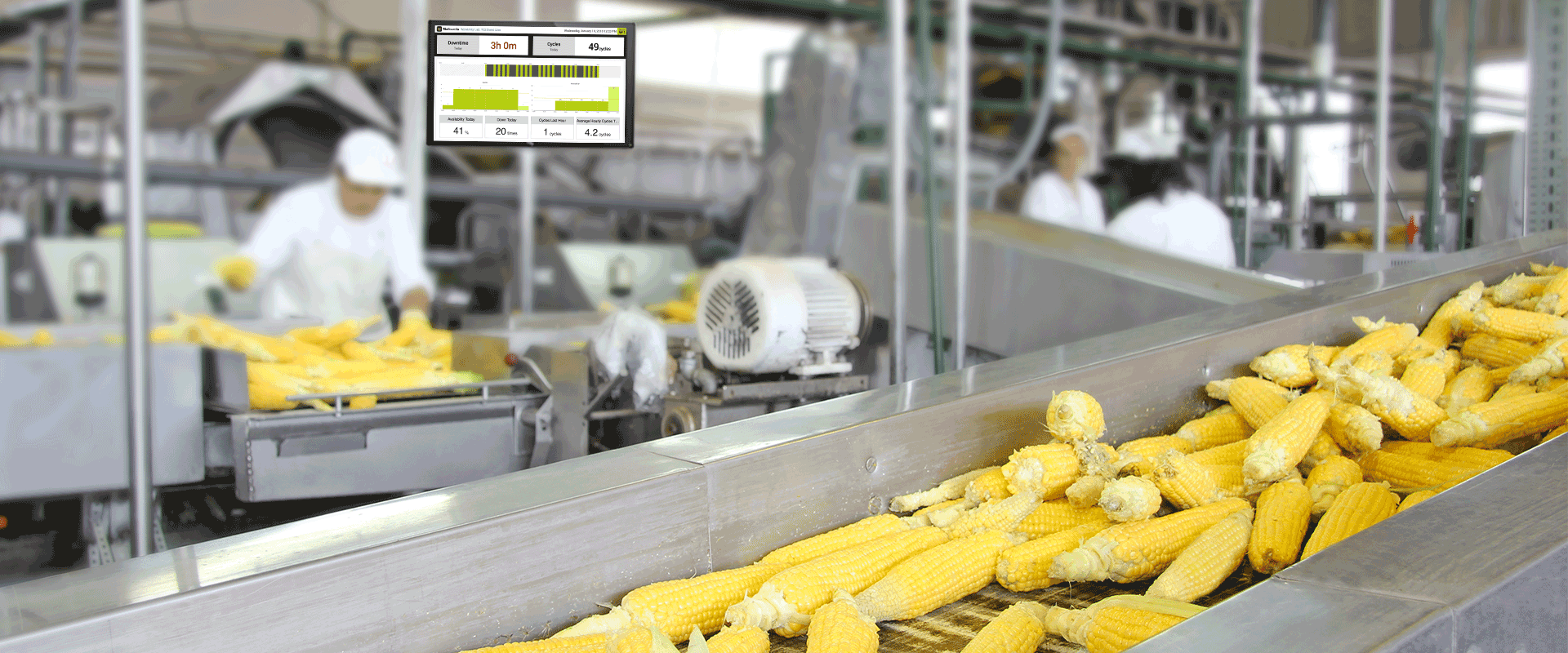
"Having a real-time dashboard available on tablet, on mobile, on tv monitor in the factory or on a dektop computer in executive office can significantly reduce Motion Waste and improve collaboration.." - Adrian Evi, ing.

The eight wastes of lean manufacturing can be remembered with the acronym DOWNTIME:

Read Types of Waste in Lean Manufacturing - Part 8 - Overprocessing Waste

Download our Free Lean Manufacturing Industry 4.0. to understand how technology can help you reduce your waste.


Want to learn more?
Download the ebook
Related blog articles

Related articles

Back to the blog
Thank you! Your submission has been received!
Oops! Something went wrong while submitting the form.
No items found.

Related articles

Back to the blog
Thank you! Your submission has been received!
Oops! Something went wrong while submitting the form.
Simple infographic showing a downward arrow for downtime and an upward arrow for throughput, illustrating the relationship between reducing production downtime and increasing manufacturing throughput, efficiency, and operational performance.
17
Oct 2023

Maximizing Uptime: Strategies for Reducing Downtime and Boosting Throughput

Discover expert strategies to maximize uptime and throughput in manufacturing, from reducing changeover times to eliminating bottlenecks and unlocking hidden capacity.

English
Lean manufacturing infographic featuring diagrams, charts, and key performance concepts related to waste reduction, quality improvement, and operational efficiency, illustrating the connection between Lean principles and Overall Equipment Effectiveness.
16
Oct 2023

The Synergy Between Lean Manufacturing and OEE Monitoring

Overall Equipment Effectiveness (OEE) monitoring plays a crucial role in the realm of lean manufacturing, serving as an essential tool to assess and enhance the efficiency and productivity of manufacturing processes.

English
Aerial view of a forest with a digital production icon overlaid on the landscape, symbolizing sustainable manufacturing, environmentally responsible production processes, green operations, and the integration of technology with sustainability.
21
Sep 2023

Smart Manufacturing: It's Not Only Productive, It's Sustainable

Production monitoring technology can serve as a crucial catalyst for manufacturers embarking on their ESG journey.

English