13/4/18

Types of Waste in Lean Manufacturing - Part 7 - Motion Waste

Not only does motion waste cost money in lean manufacturing, it can also lead to unnecessary accidents and injuries.

No items found.
Types of Waste in Lean Manufacturing - Part 7 - Motion Waste

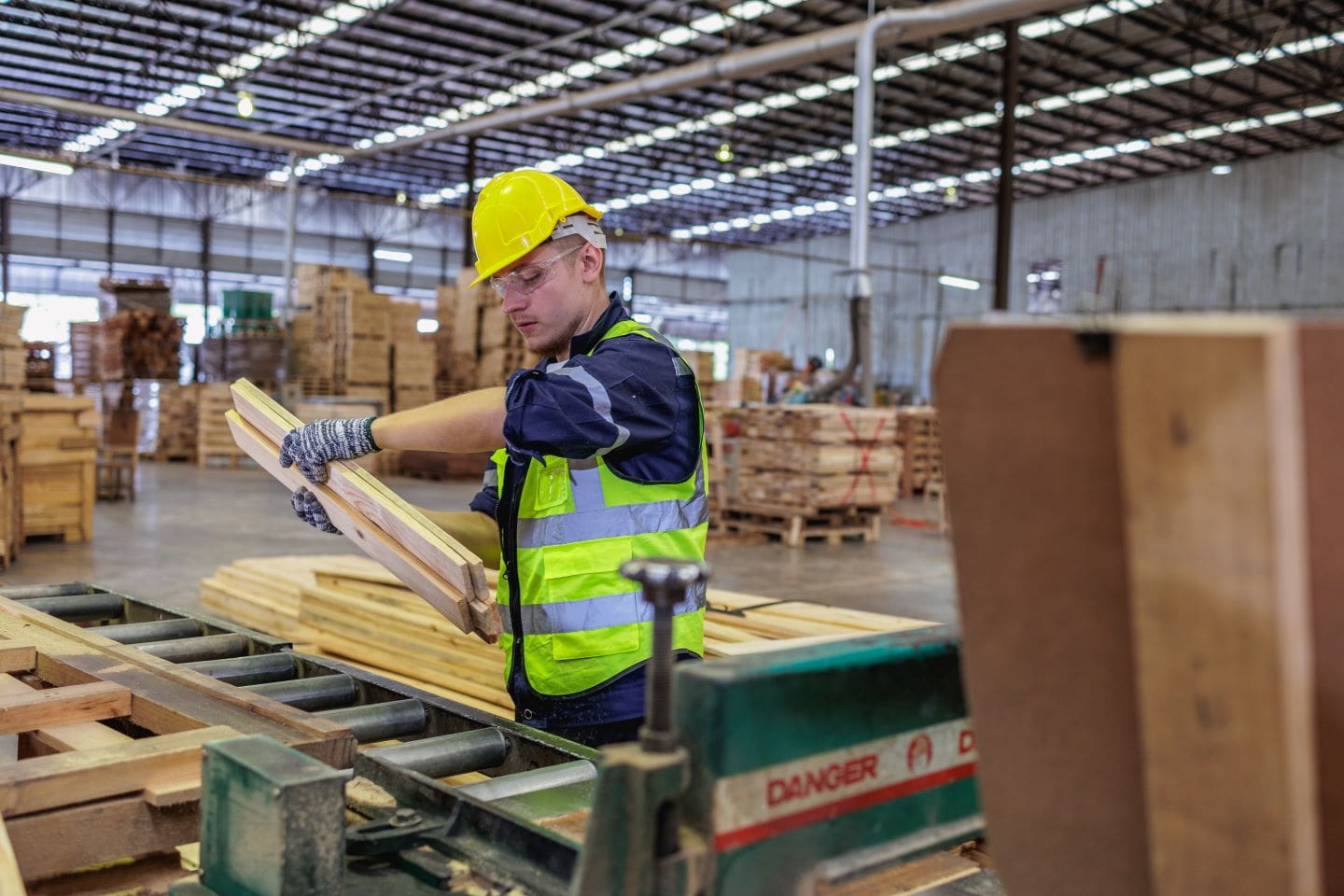
When Lean Manufacturing approaches the issue of motion it is not related to the physical movement of products that are used to create the end result (Transport Waste), but rather the people or equipment that are used to create physical products.

Motion Wasted in lean manufacturing is the increased motion of machinery or a person due to an inefficient manufacturing process. Wasted motion increases the amount of wear and tear on both workers and machinery, therefore decreasing its lifespan or ability to work on at a manufacturing site. Not only does wasted motion cost money, it can also lead to unnecessary accidents and injuries.

Motion Waste can be caused by:

  • Inefficient floor layouts
  • Improper equipment
  • Poor allocation of tasks between machinery, people or steps in a process

With Lean Manufacturing the amount of motion is kept at a minimum due to the well thought out and carefully planned timeline and pre-fabricated parts. When motion happens, there is no value being produced on a product or material.

Worximity_Lean_Manufacturing_Tools

Motion Waste can often be categorized and measured by looking at activities such:

  • walking
  • reaching
  • lifting
  • lowering
  • bending
  • stretching
  • or otherwise unnecessary moving, such as traveling to other facilities when other forms of meetings would do

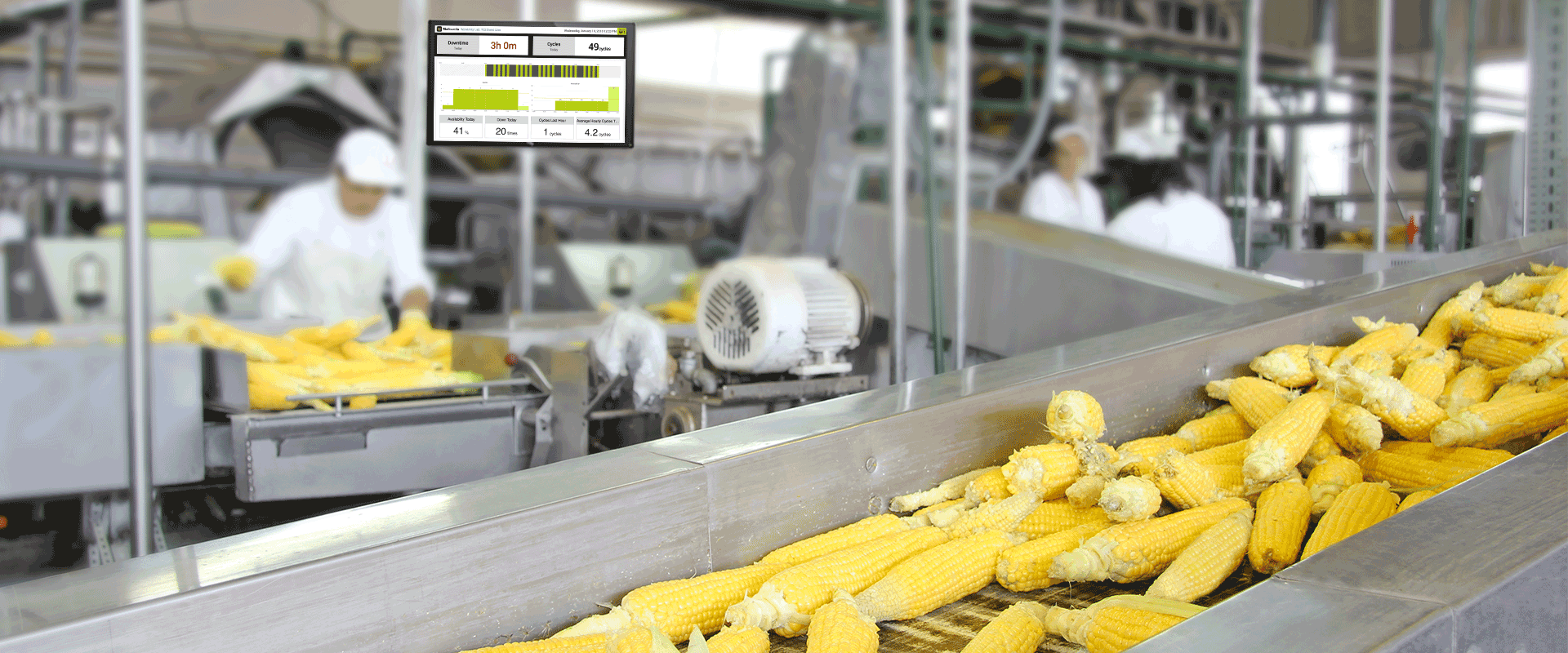
"Having a real-time dashboard available on tablet, on mobile, on tv monitor in the factory or on a dektop computer in executive office can significantly reduce Motion Waste and improve collaboration.." - Adrian Evi, ing.

The eight wastes of lean manufacturing can be remembered with the acronym DOWNTIME:

Read Types of Waste in Lean Manufacturing - Part 8 - Overprocessing Waste

Download our Free Lean Manufacturing Industry 4.0. to understand how technology can help you reduce your waste.


Want to learn more?
Download the ebook
Related blog articles

Related articles

Back to the blog
Thank you! Your submission has been received!
Oops! Something went wrong while submitting the form.
No items found.

Related articles

Back to the blog
Thank you! Your submission has been received!
Oops! Something went wrong while submitting the form.
Hand interacting with a futuristic digital interface displaying “2024,” AI icons, and technology symbols, representing emerging technology trends, artificial intelligence, digital transformation, innovation, and future-focused business strategy.
9
Jan 2024

Manufacturing Trends to Lookout for in 2024

As we look at manufacturing trends for 2024, pressure to stay on top of current trends and maintain competitiveness are at an all-time high

English
Automated bottling and packaging line in a manufacturing facility, with glass bottles moving through production equipment, representing production throughput, manufacturing output, operational efficiency, and process performance.
5
Dec 2023

Understanding takt time in manufacturing

Through real examples and practical insights, discover why measuring and monitoring takt time is the path to optimized production.

English
nfographic illustrating the major sources of Overall Equipment Effectiveness (OEE) losses in manufacturing, showing categories such as downtime, speed losses, and quality losses that impact production performance and operational efficiency.
15
Nov 2023

Decoding the OEE Calculation: Translating OEE Metrics into Tangible Losses

The following OEE funnel is a great way to visualize how losses in availability, performance, and quality impact OEE and your throughput.

English