
4/4/18

McKinsey - An executive’s guide to AI

McKinsey publised an online executive's guide to AI to cover the highlights of artificial intelligence: machine learning and deep learning.

Artificial Intelligence
McKinsey - An executive’s guide to AI

McKinsey publised an online executive's guide to AI to cover the highlights of artificial intelligence.

The article starts with a brief definition of AI:

"AI is typically defined as the ability of a machine to perform cognitive functions we associate with human minds, such as perceiving, reasoning, learning, interacting with the environment, problem solving, and even exercising creativity. "

The guide continues with Why AI now?, a interactive timeline which presents the first technologies and innovations that led to AI.

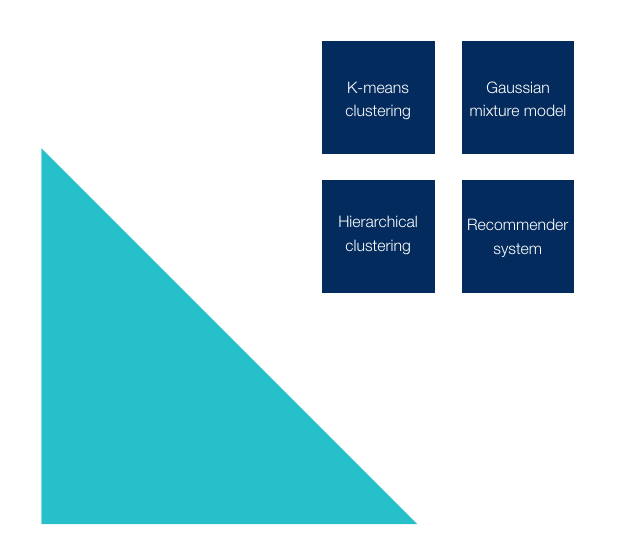
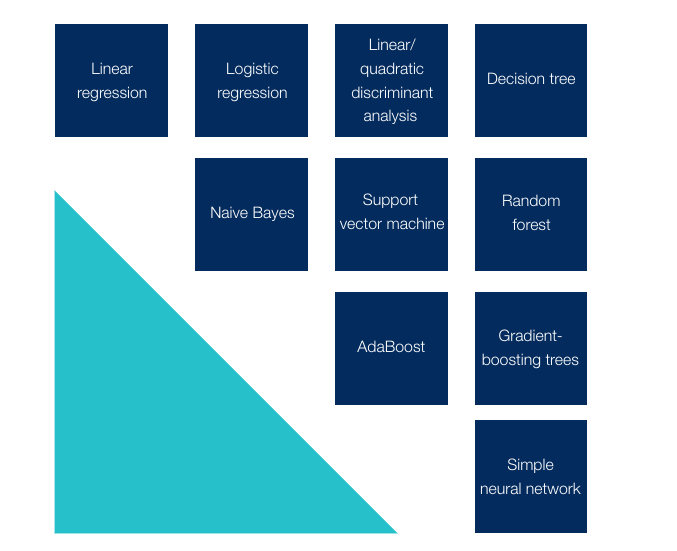
The guide goes on with machine learning and the various type and some business use cases:

Supervised learning
 

Supervised_learning


Unsupervised learning

Unsupervised_Leanring


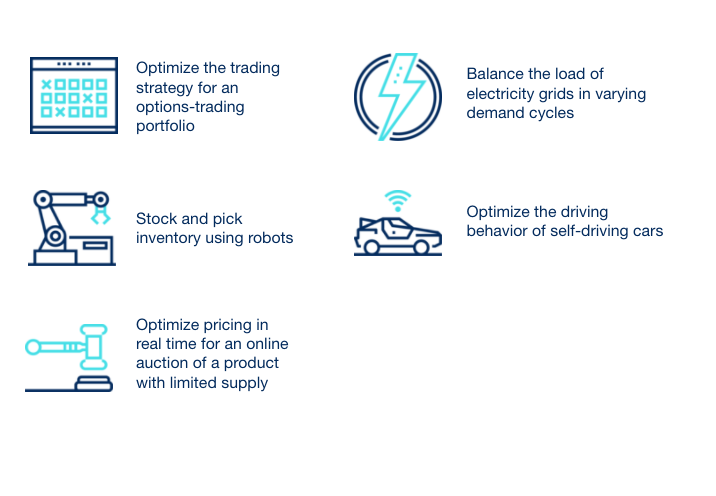
Reinforcement learning


Reinforcement_Learning

The guide ends on the subject of Deep Learning, defining it as:

"Deep learning is a type of machine learning that can process a wider range of data resources, requires less data preprocessing by humans, and can often produce more accurate results than traditional machine-learning approaches (although it requires a larger amount of data to do so.)"

They present 2 majors models of deep learning and some business use cases:

Convolutional neural network
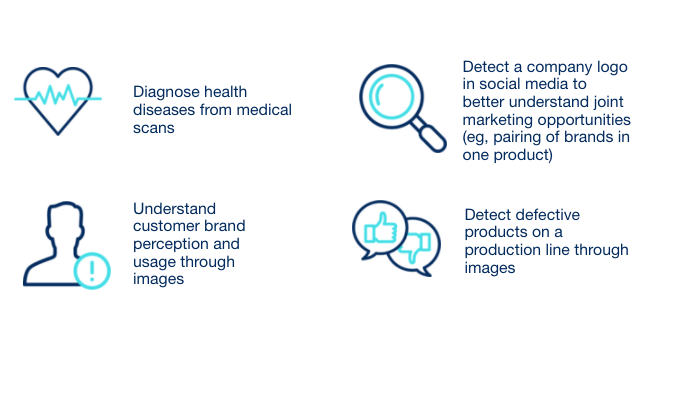
 

Convolutional neural network


Recurrent neural network.
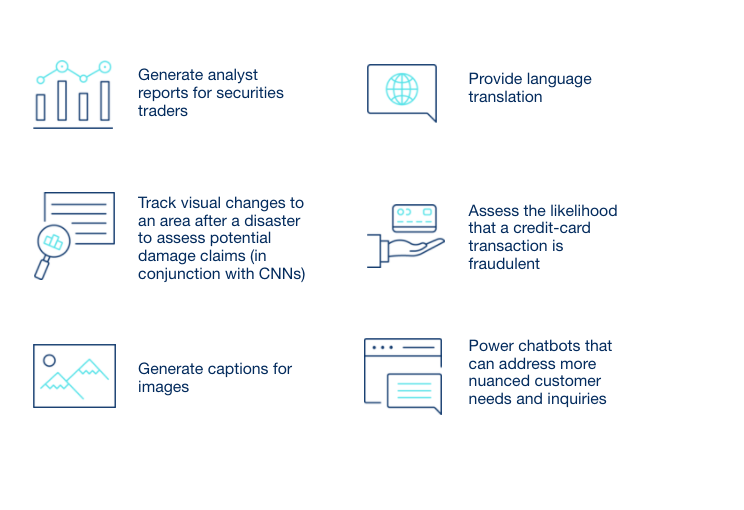
 

Recurrent_Neural_Network

SOURCE AND TO READ THE FULL ARTICLE : https://www.mckinsey.com/business-functions/mckinsey-analytics/our-insights/an-executives-guide-to-ai

Want to learn more?
Download the ebook
Related blog articles

Related articles

Back to the blog
Thank you! Your submission has been received!
Oops! Something went wrong while submitting the form.
20
Feb 2018

Worximity will be part of the Supercluster Scale AI

English
5
Feb 2019

A Montreal with an AI flavor

English
7
Jan 2019

Artificial Intelligence in the Food Industry: Six areas of application

English

Related articles

Back to the blog
Thank you! Your submission has been received!
Oops! Something went wrong while submitting the form.
Hand interacting with a futuristic digital interface displaying “2024,” AI icons, and technology symbols, representing emerging technology trends, artificial intelligence, digital transformation, innovation, and future-focused business strategy.
9
Jan 2024

Manufacturing Trends to Lookout for in 2024

As we look at manufacturing trends for 2024, pressure to stay on top of current trends and maintain competitiveness are at an all-time high

English
Automated bottling and packaging line in a manufacturing facility, with glass bottles moving through production equipment, representing production throughput, manufacturing output, operational efficiency, and process performance.
5
Dec 2023

Understanding takt time in manufacturing

Through real examples and practical insights, discover why measuring and monitoring takt time is the path to optimized production.

English
nfographic illustrating the major sources of Overall Equipment Effectiveness (OEE) losses in manufacturing, showing categories such as downtime, speed losses, and quality losses that impact production performance and operational efficiency.
15
Nov 2023

Decoding the OEE Calculation: Translating OEE Metrics into Tangible Losses

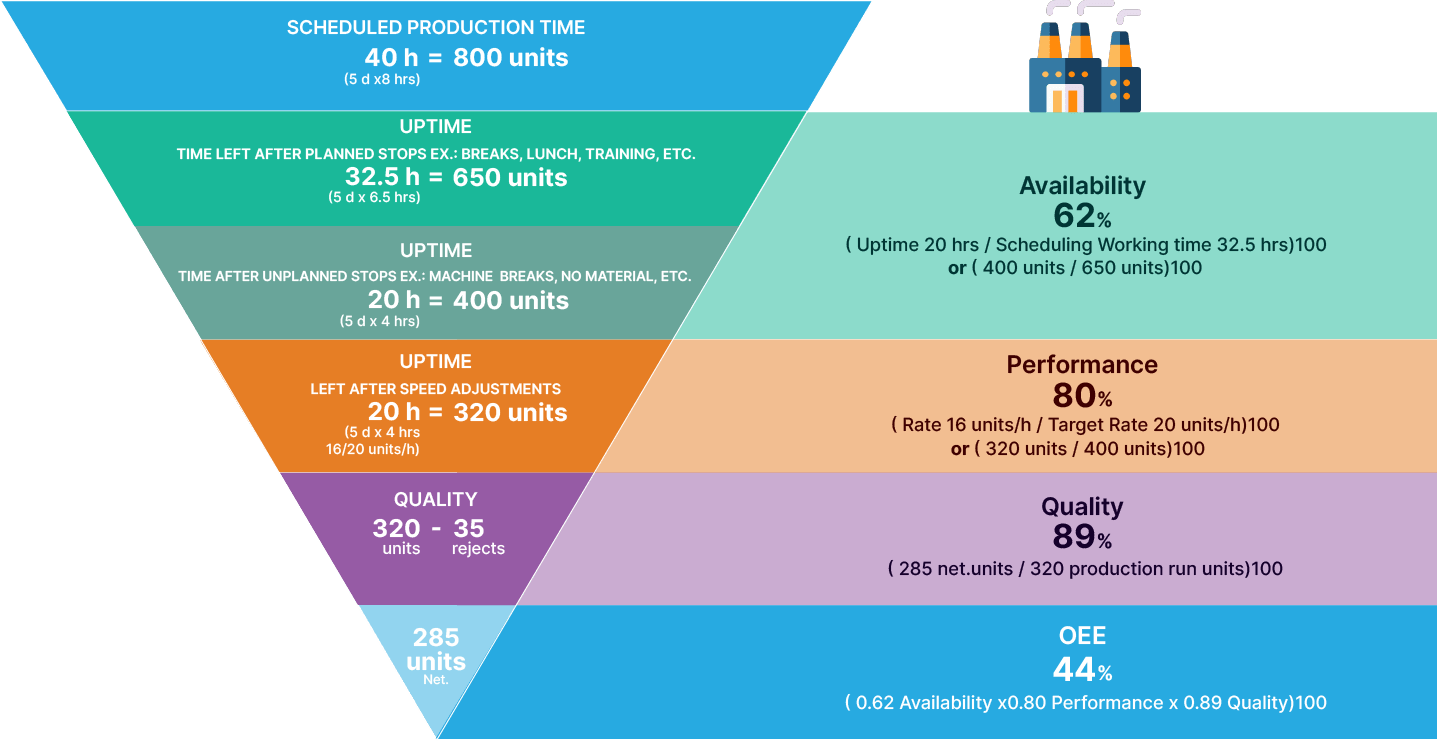
The following OEE funnel is a great way to visualize how losses in availability, performance, and quality impact OEE and your throughput.

English