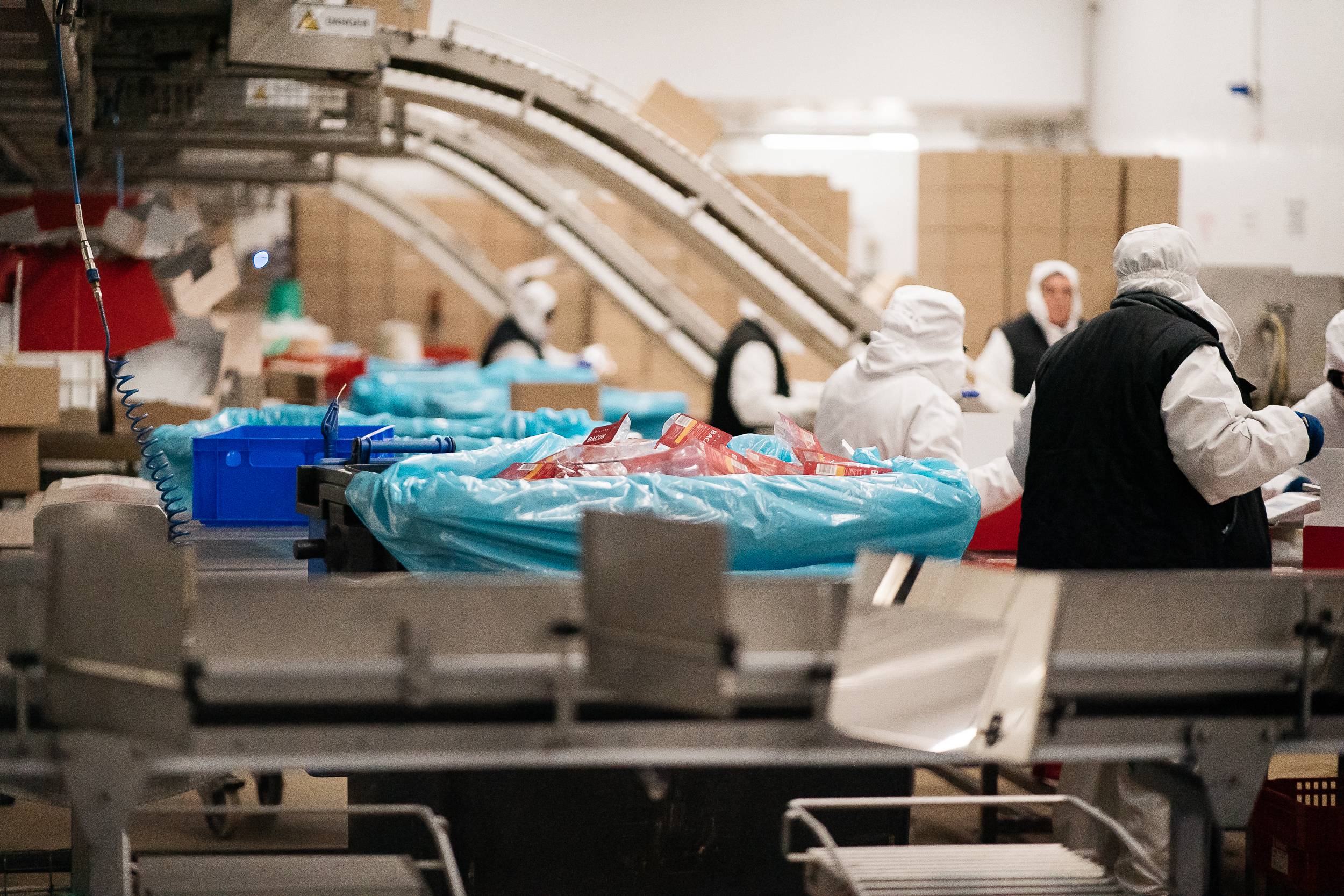
The operations of food and beverage manufacturers require an enormous amount of oversight and control to run properly. Processes need to be clean, accurate, and provide a consistent and high-quality product. Today, both demand and production costs are higher than ever, and if factories want to remain effective, the IoT (Internet of Things) provides the best tools for maximizing production.
Here a few of the imminent challenges to food and beverage manufacturers and how IoT solutions can help:
Sorting Complex Data
Many complex processes need to be carried out flawlessly for a factory to be effective. IoT allows factories to track products quickly and accurately, and capture mislabeled or faulty items far faster than a manual system. IoT solutions can also maintain cleanliness, nutrition, and sustainability standards, pinpointing issues and reducing downtime.
A Retiring Skilled Workforce
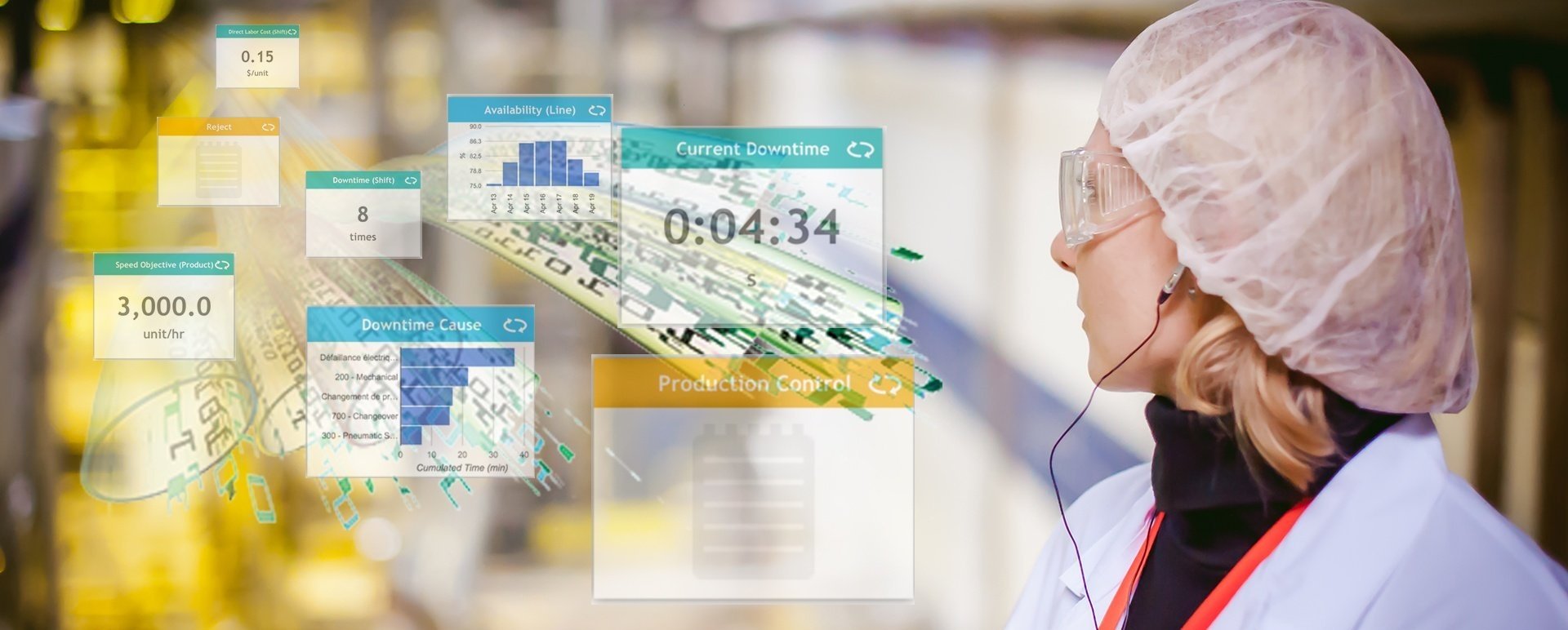
Many of the operators currently working in food and beverage manufacturing are approaching retirement age, and there will be a demand for skilled workers to take their places. IoT allows for far easier training of new operators, giving clear indicators of machine status at all times. The need for routine check-ups is eliminated, as smart manufacturing can predict future demand and machine failure.
Supply chain solutions
Planning and scheduling for supply chains is an immensely complex process that will only become more so. Food supply chain disruptions can come from a variety of unforeseeable directions, for instance, tariffs being imposed now may radically reshape both supply and demand dynamics. Using IIoT solutions to track demand, perishable goods, and feedstock data will create a faster, more responsive systems that minimize the gap between planning and implementation.
IT/OT convergence
As demand increases, so does the need for non-stop systems. The only way factories will be able to rise to this demand is by fully integrating every part of the manufacturing process to be trackable and controllable from anywhere. Controlling production from the cloud allows operators and executives alike to have the necessary grasp of what is going on in their factories to maximize efficacy and profitability.
IIoT World has a great article that expands upon these ideas. We recommend it and you can find it here.