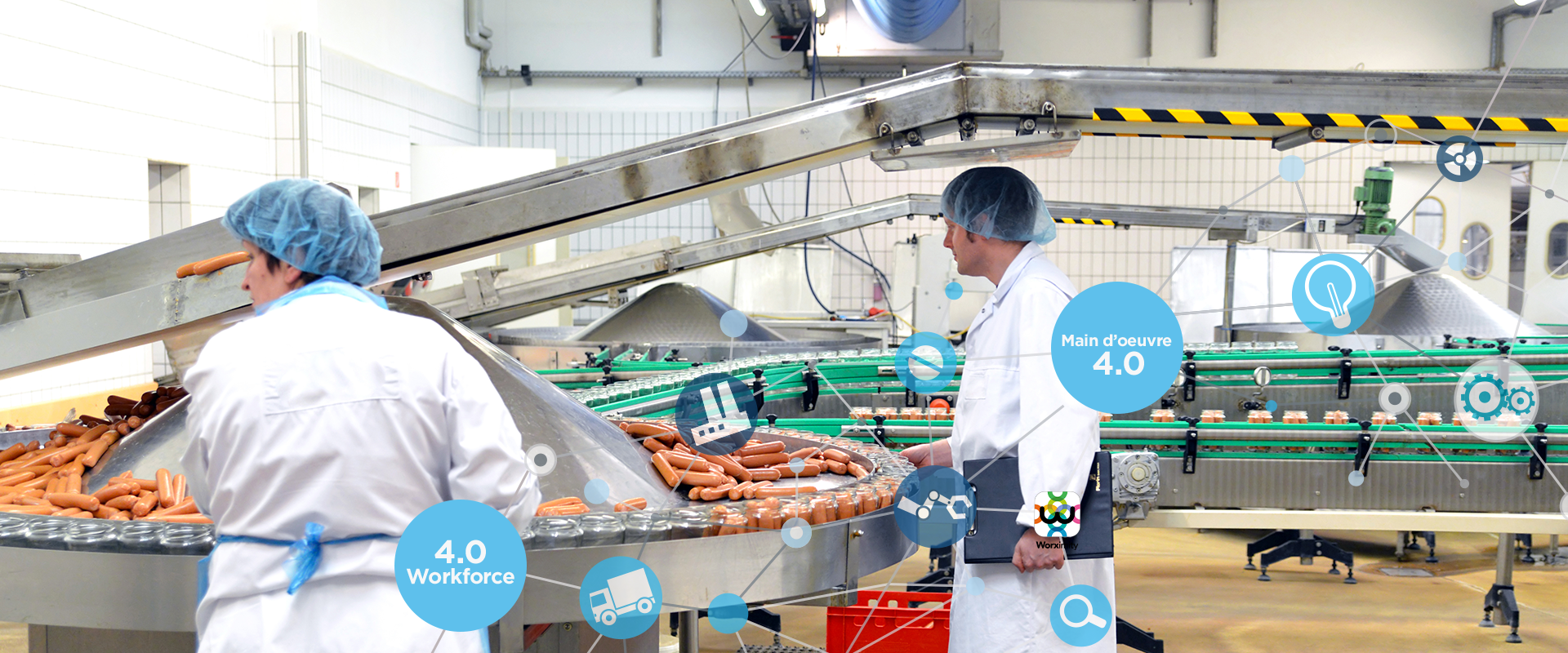

Previous industrial revolutions brought profound changes to the world of work. Consider the work of Ford and Taylor that followed the second industrial revolution, deeply transforming the world of labor. The 4th industrial revolution is no different; it too is driving major changes in jobs and in how companies are managed. It transforms existing jobs and creates new ones. Some fields are gaining importance and new skills are required.
Emerging fields
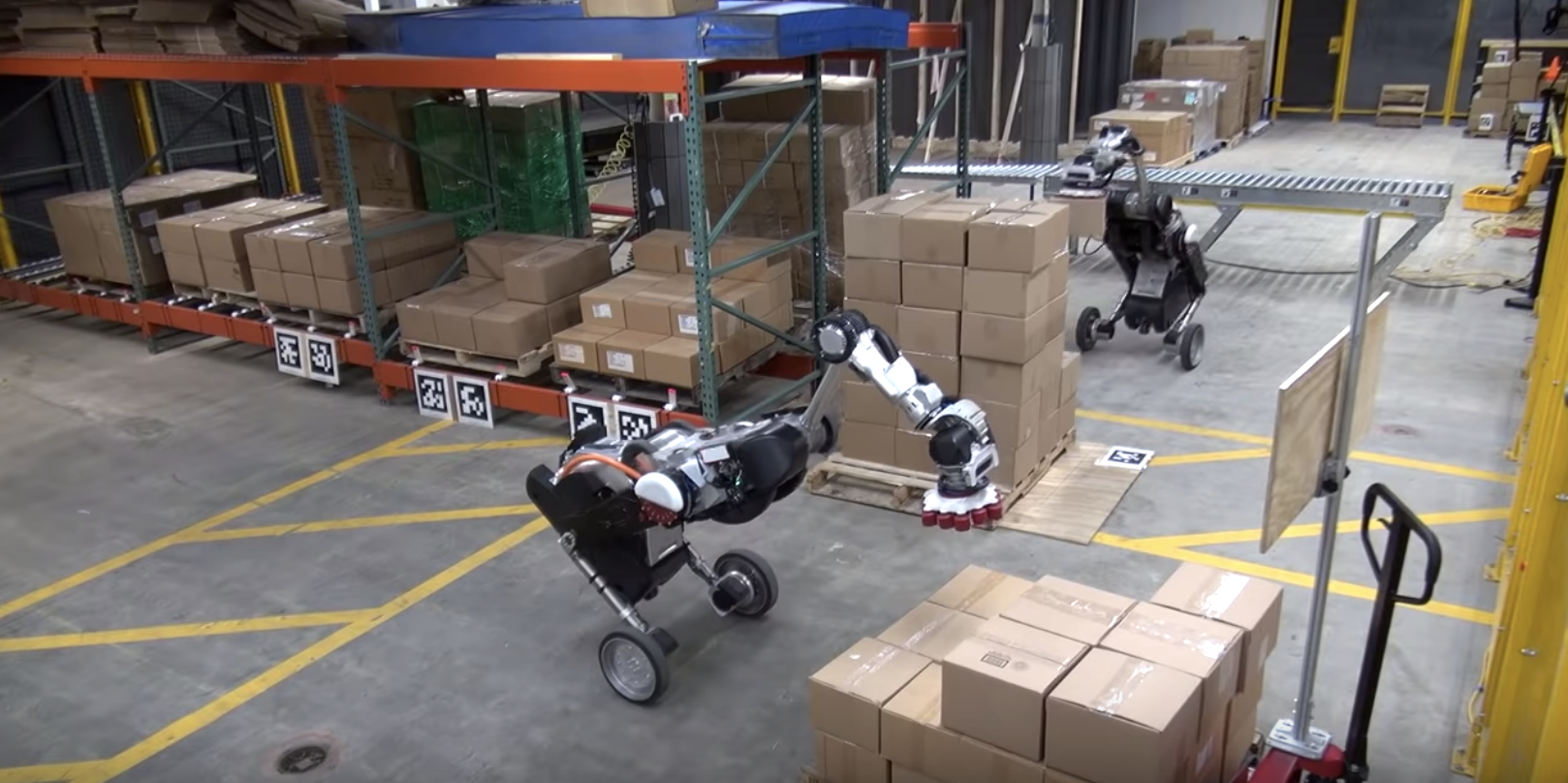
For innovative manufacturers, robotics, artificial intelligence, and the Industrial Internet of Things (IIoT) are reshaping the workplace. These manufacturing companies need candidates from science, technology, engineering, and mathematics more than ever (Board of Trade of Metropolitan Montreal, 2017). The Industry 4.0 workforce is expert in robotics, artificial intelligence, big data, and the Internet of Things. According to the 2016 World Economic Forum report titled Future of Jobs, computing and engineering fields will be in growing demand, while office and administrative support jobs are likely to decline. Whatever one's view, this transformation is already underway. While some fear job losses tied to this 4th industrial revolution (see the Future of Jobs report), others focus instead on what companies and governments can do to seize the opportunities this paradigm shift creates. Among other things, stronger ties between educational institutions and innovative manufacturers are desirable in order to properly train the next generation to meet market needs in the age of Industry 4.0.
A new profession: data scientist
As an example, a new profession has recently emerged: data scientist. Data has become the new raw material of companies and comes from various sources. It is the basis of every decision and is critically important for innovative manufacturers. Of course, raw data is of little use if no meaning is attached to it, which is why the role of data scientist has become a must for innovative companies. People in this role design processes that sort and analyze nearly infinite volumes of data in order to extract useful information, visualize it better, and ultimately draw conclusions.
Still in the 2016 World Economic Forum report, we learn that 65% of children of primary-school age will hold jobs in the future that do not exist today. As actors in the labor market, we have a duty to prepare the ground for this transformation. Let's encourage the next generation to take an interest in the fields and jobs of the future. Let's build their curiosity and passion for new technologies. Let's shine a light on the jobs of the future and seize the opportunities Industry 4.0 brings.