The global poultry market continues to grow, both in Canada and globally. This excellent source of protein is environmentally and economically attractive. In this context, the craze for poultry is growing and the opening of the global market greatly increase the growth forecasts.
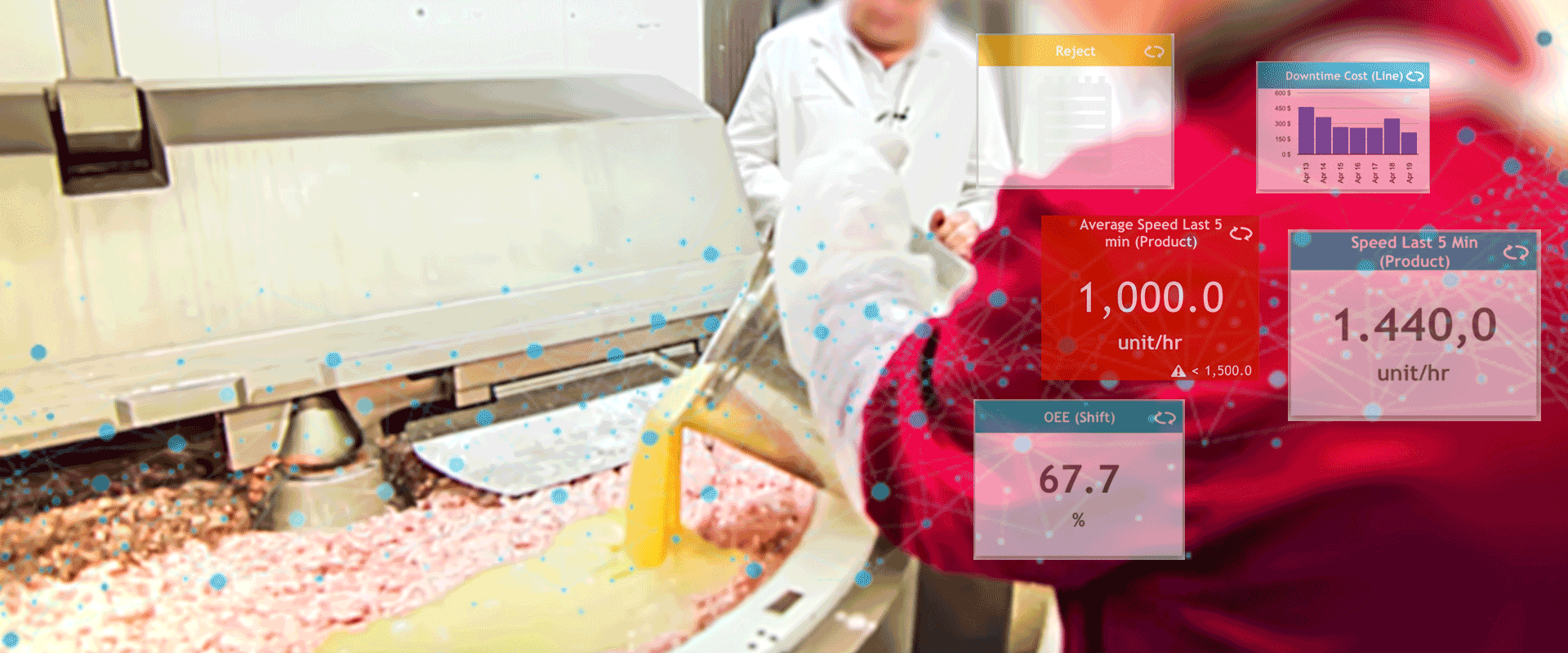
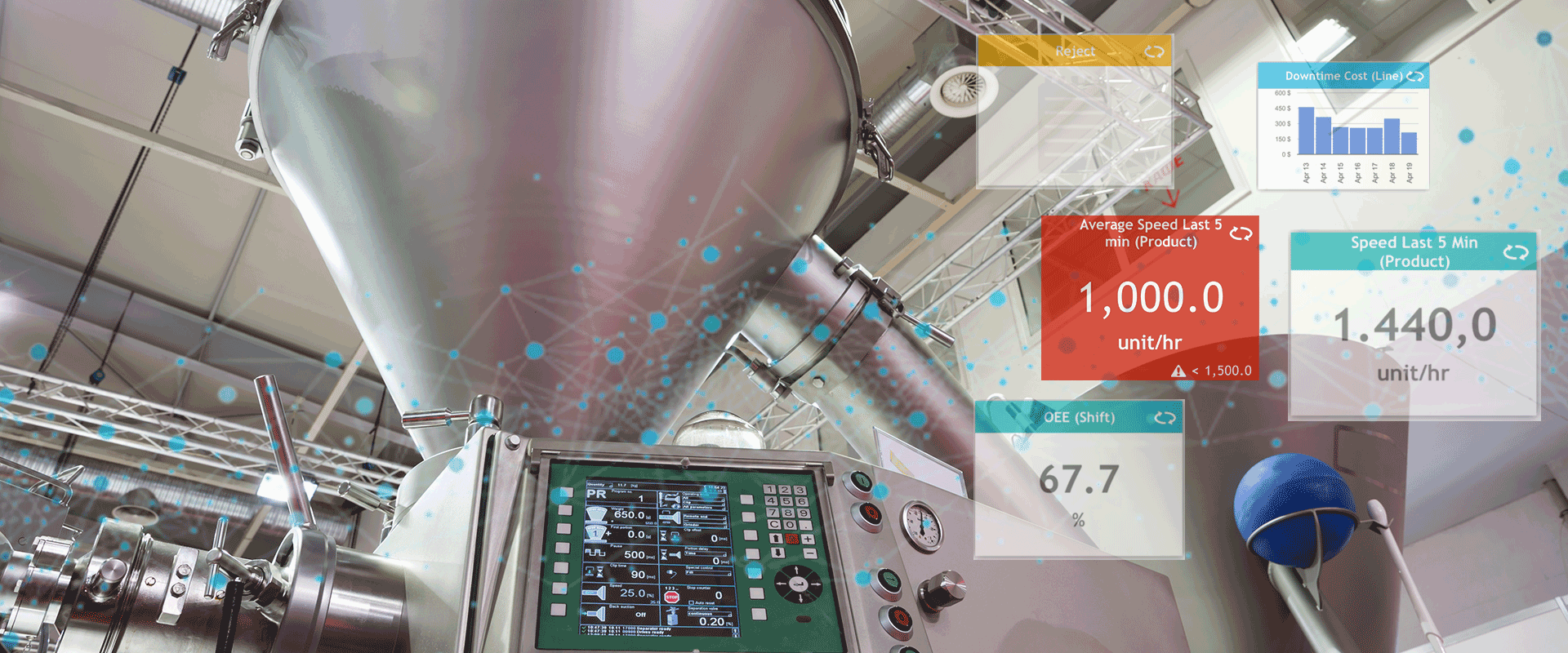
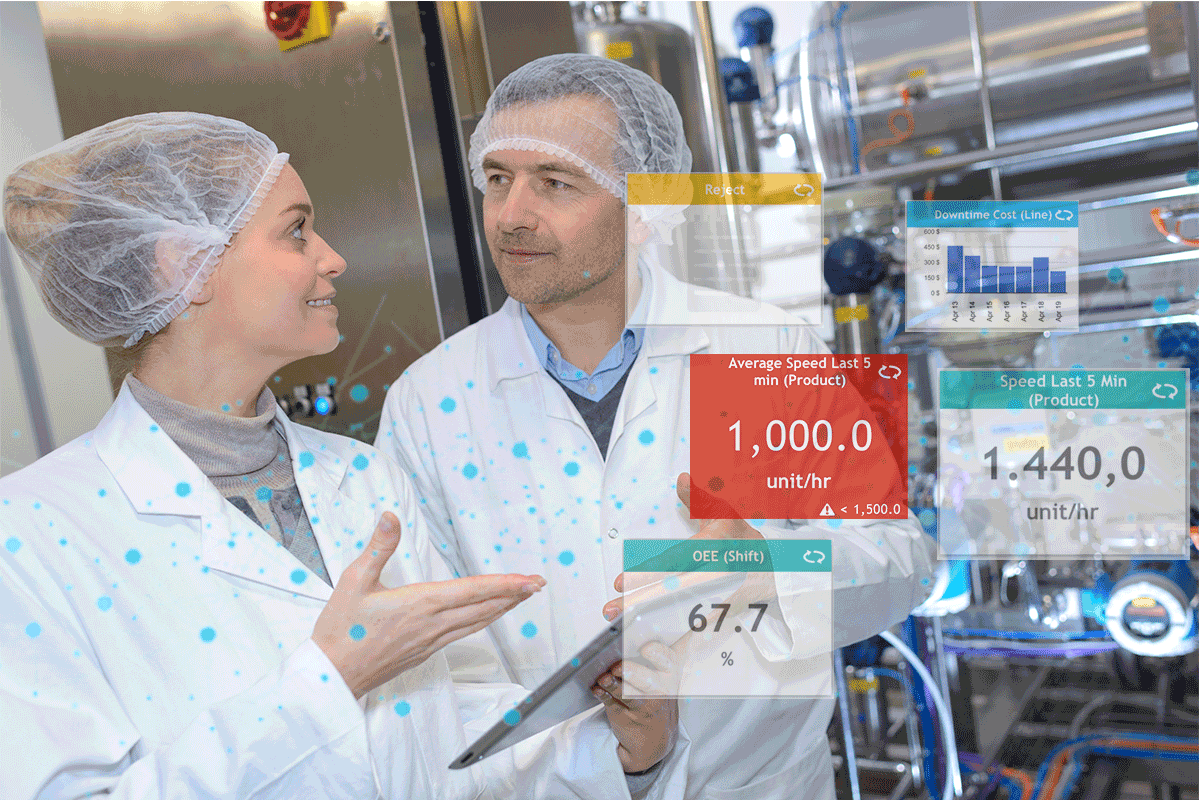
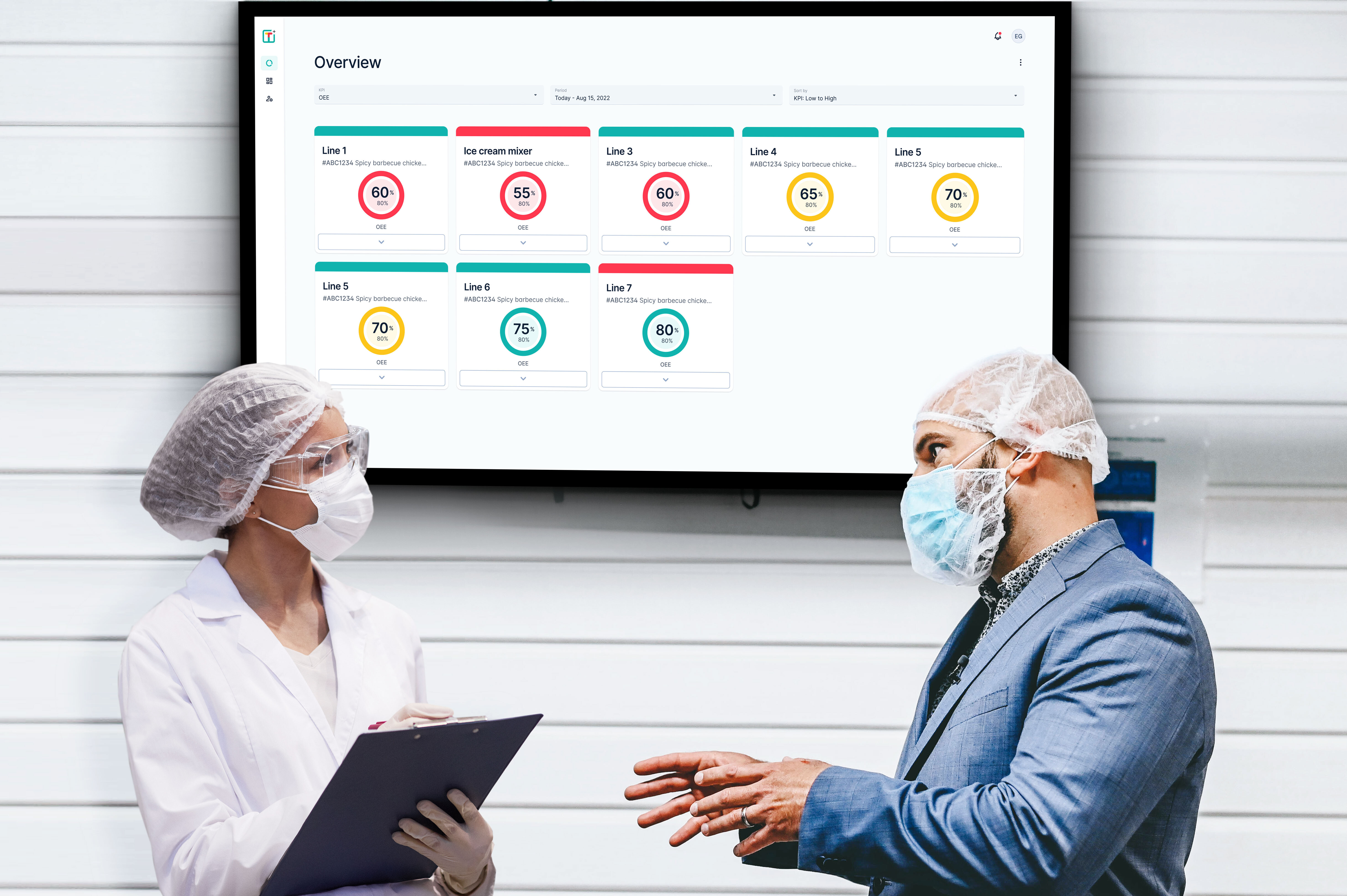
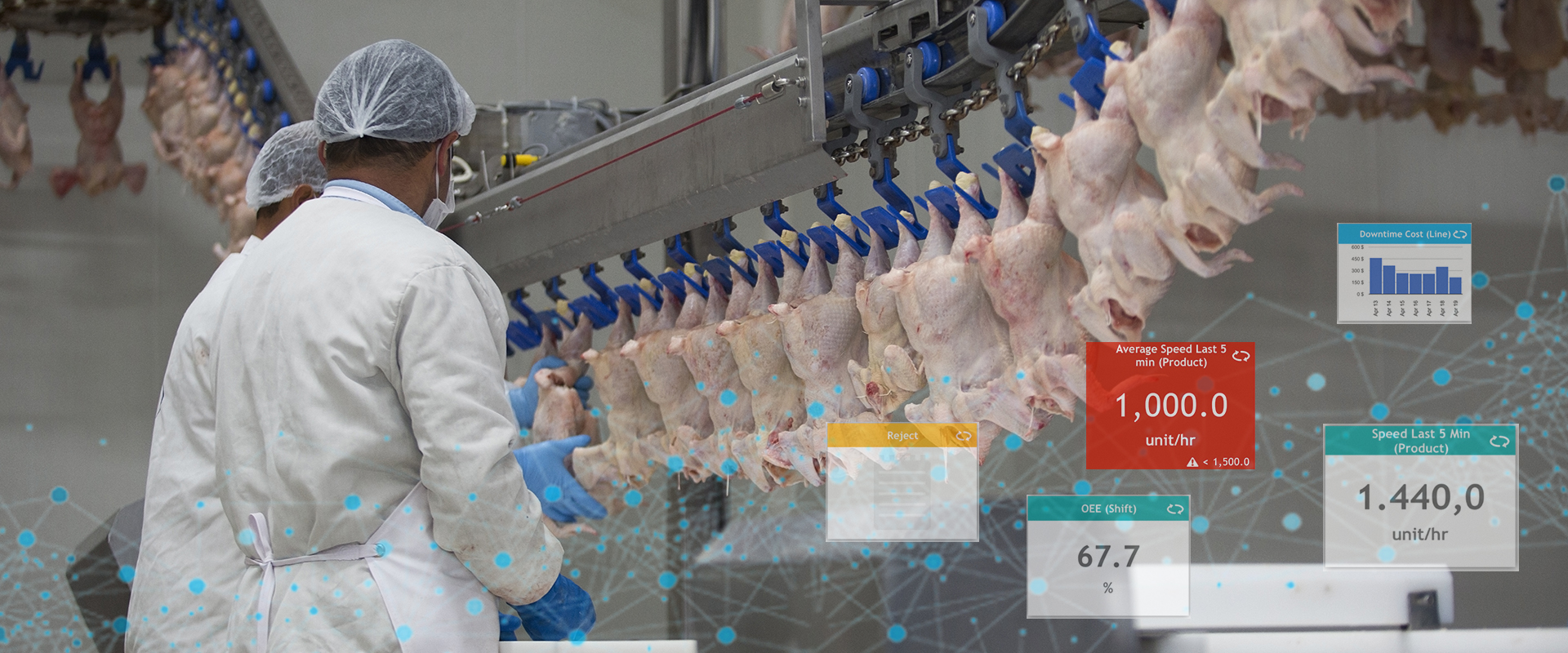
This increase causes pressure on poultry processors. They must continually improve their efficiencies and optimize their material yield. One way to achieve this goal is through the integration of technologies like TileBoard. TileBoard will track production in real time and be able to know the production data through the following steps in the poultry field.
Raw material reception
The first step is the transportation of live birds from producers to the processing plant. They then must be hung manually on the production line. A count must be done and TileBoard represents the optimal tool to know the exact number and rate of the production line.
Anesthesia & Slaughter
Chickens are anesthetized and subsequently slaughtered. The techniques used for anesthesia are either by electro-anesthesia or under controlled atmosphere. Slaughter is the act of making a precise and quality incision allowing the complete extraction of the blood of the chicken. This incision will be made at the neck of the chicken.
Scalding & Plucking
Chickens must absolutely be scalded in boiling water very quickly to kill the micro-organisms that are on their feathers. This will reduce the risk of contamination of the meat and prevent particles from being in the air. Plucking is the action of removing the feathers from the chicken.
Evisceration
This is when the offal and legs are removed from the chicken. TileBoard will be able to calculate the material yield of this step. The legs and offal may be revalued according to the needs of other customers.
Cooling and Maturation
For optimum shelf life, quality, freshness and food safety, finished products must be effectively cooled. This will result in a finished product with a much more appealing texture and appearance.
Weighing, Calibration & Distribution
TileBoard will be able to provide the weights of each chicken and supply the data from the production line. Specialized software will be able to make the chicken selection, flexible distribution and minimize waste.
Cutting & Deboning
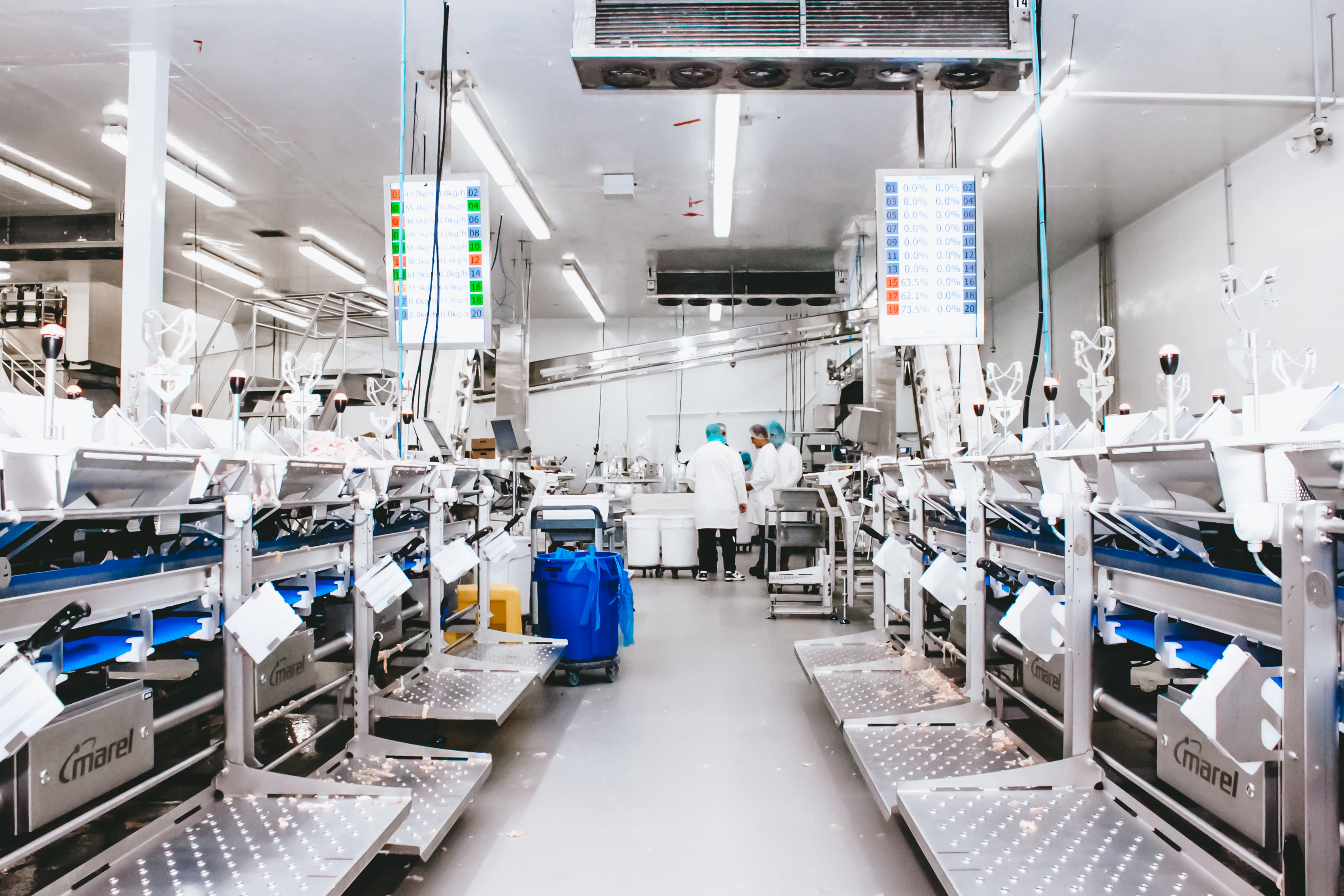
These steps are essential to optimize the material yield of a chicken. It is at this point that TileBoard's technology is at its peak for both material yield and rejects. In addition, it is a generally semi automated step. Operators must manually make sure and cut the breasts and / or thighs. The cadence of each employee or section can be monitored from TileBoard just like the material yield.
Packaging & End of Line
The products will be packaged and labeled for shipping. TileBoard will know the quantity produced according to each order.
KP1: Cutting & deboning production rate per employee
KP2: Weight per unit average weighing, calibration & distribution
KP3: Material yield for cutting & deboning.