At Worximity, we’re constantly surveying the Food and Beverage Manufacturing landscape to better understand the forces driving change and to bring the best insights to our customers. As the leading provider of IIoT hardware and software to food and beverage manufacturing businesses, we’re always thinking about how our solutions affect and might integrate with other manufacturing management systems. We found an article on IIoT, Industry 4.0 & ERP and the future of food and beverage manufacturing to be really valuable and interesting with respect to how IIoT solutions impact ERP systems.
Here are our takeaways. While many food and beverage companies have expressed interest in exploring how IIoT and Industry 4.0 can revolutionize their business, few have taken the leap to establish an Enterprise Resource Planning (ERP) solution to maximize the potential of these new technologies. Here are a few of the ways IIoT and ERP solutions will affect the food and beverage manufacturing industry according to Hector Bonilla of SWK Technologies.
1. Mobility
Embedded sensors in machines will allow data to be collected and viewed from anywhere. Operators on the factory floor will be able to wear smart devices to perform far more efficient maintenance.
2. Wireless Networks
Fully connected plants will allow the users and machines to interact seamlessly through the cloud-based software. Previously disconnected data silos will all be available at the touch of a button.
3. Big Data
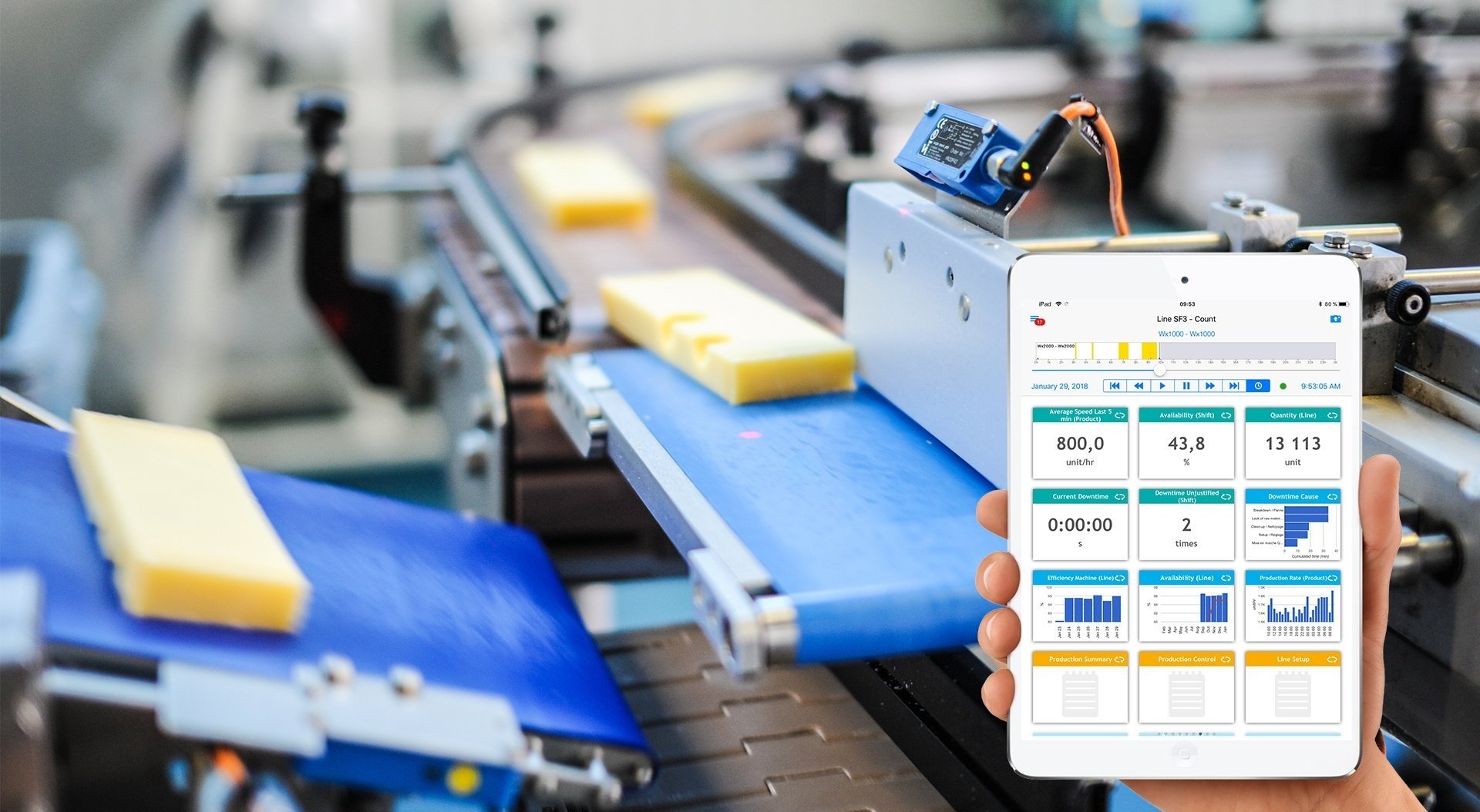
IIoT will make full-factory oversight easier and more comprehensive than ever before. Tracking perishable good timelines, ingredient ratios, and allergen separation will be able to be viewed all on a single tablet.
4. Automation and Human Input
Because speed is necessary for ROI in the food and beverage manufacturing industry, a machine’s ability to self-regulate and interact with other machines will provide a major increase in productivity. Problems can be quickly pinpointed, reducing the need for human interaction on the production line.
5. Customer Service and Engagement
IIoT will allow for greater transparency in factory workings as well as allowing change on the production line to account for client needs as they emerge.
6. ERP
ERP solutions will increase IT/OT connectivity in an unprecedented way, allowing an overhead view of the entire operation. This means countering pain points as they develop and making smarter decisions for the factory as a whole.
For more on how IIoT will affect ERP software and solutions, you can read this great article IIoT, Industry 4.0 & ERP: How the Future of Food & Beverage Manufacturing is Affected.