2/8/18

How Food & Beverage Manufacturers are Using Analytics to Cut Costs

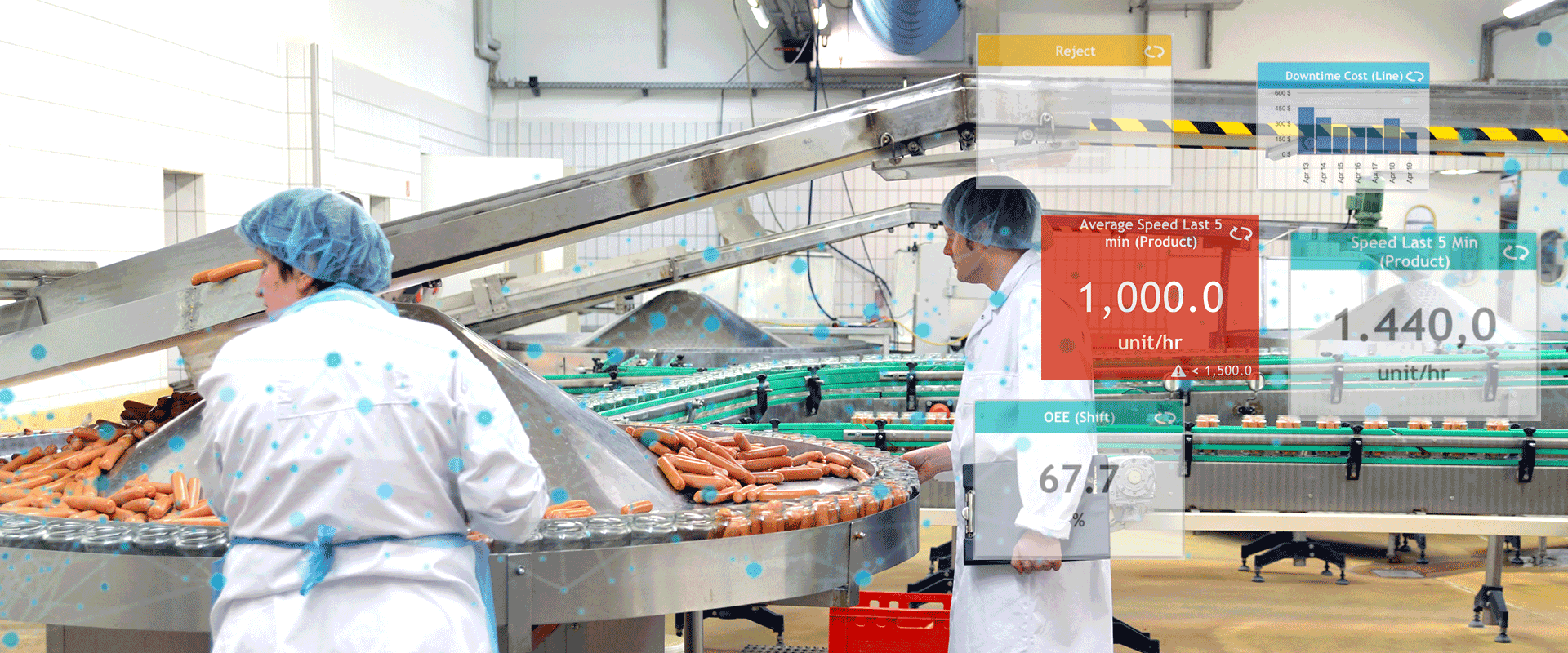
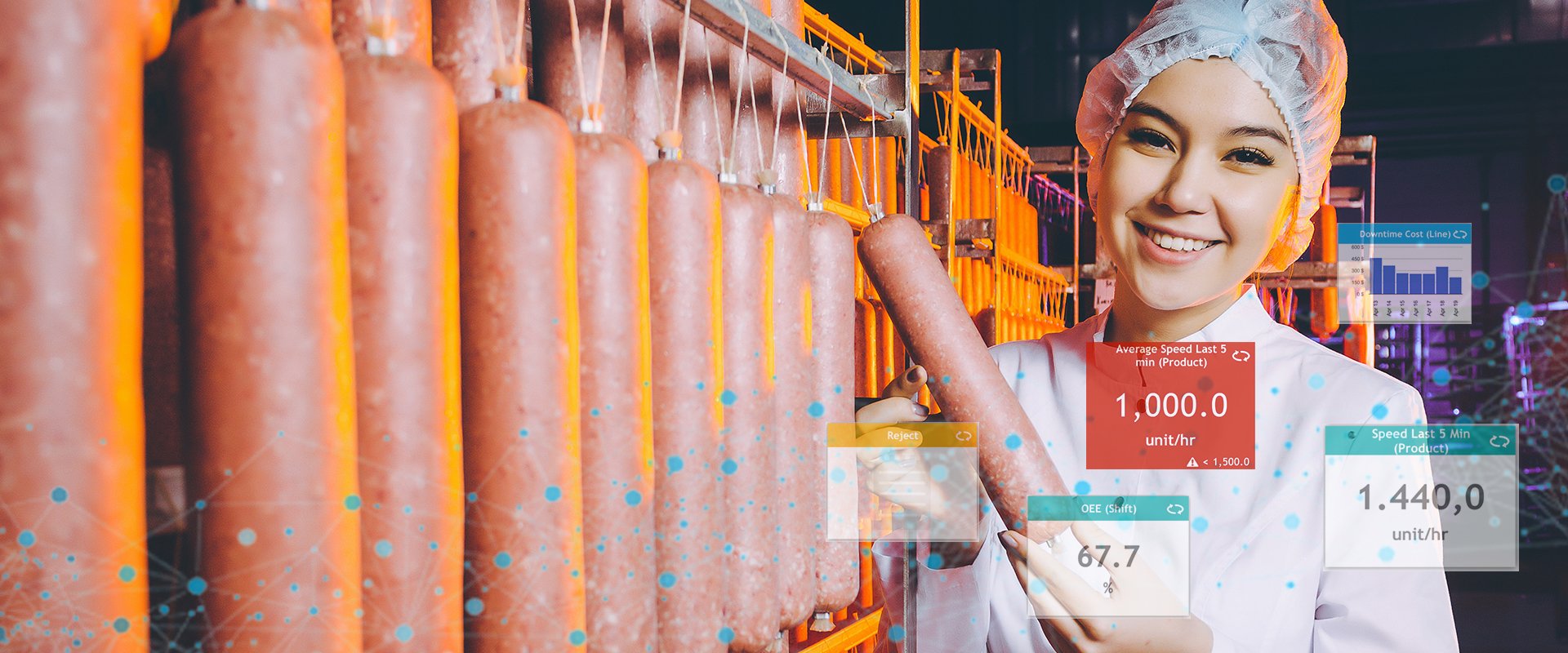
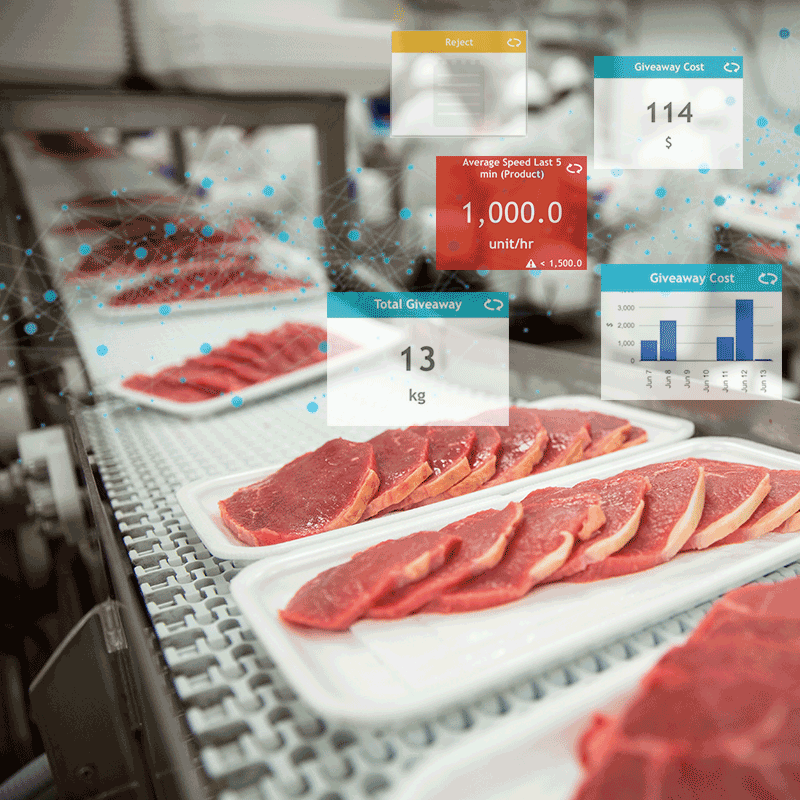
How do food and beverage manufacturers contain growing expenses? By implementing IIoT solutions, which crucially employ the gathering of food and beverage analytics, manufactures can develop appropriate solutions.

Analytics
Food Manufacturing IIoT
Industry 4.0
Smart Factory
IIoT
How Food & Beverage Manufacturers are Using Analytics to Cut Costs

How do food and beverage manufacturers contain growing expenses? By implementing IIoT solutions, which crucially employ the gathering of food and beverage analytics, manufactures can develop appropriate solutions. In doing so, factories can become smarter: Base decisions and problem solving strategies on quantifiable data rather than on educated guesstimates and forecasts based on partial data capture

In, "Food For Thought," a paper on the food and beverage practices by Marsh, they explain how food and manufacturers can use food and beverage analytics and tools. In doing so, "food and beverage companies are assigning values to the unknown, forecasting the extent of potential financial damage, and assessing possible mitigation opportunities to manage their exposures." 

This approach, Marsh writes, is helping manufacturers to "drive intelligent business decisions and change." 


How to use food and beverage analytics?


Here are some examples of how to quantify value by using food and beverage analytics according to Marsh:

  • Capture and analyze the potential volatility of new facilities and product lines as they relate to the bottom line
  • Forecast the probability of potential losses through a database of comparable industry data
  • Explore a range of potential loss out comes.
  • Identify all potential risks, including those that haven’t historically led to losses
  • Flagging excessive risks before an incident occurs
  • Early identification of product exposure

Source + read the entire paper.


Want to learn more?
Download the ebook
Related blog articles

Related articles

Back to the blog
Thank you! Your submission has been received!
Oops! Something went wrong while submitting the form.
Person using a laptop with digital dashboards displaying charts, graphs, and performance metrics, representing data analytics, business intelligence, real-time monitoring, and data-driven decision-making.
23
Jan 2024

Optimizing Company-wide Operations: Data Analytics in the Manufacturing Industry With Worximity

English
Hand interacting with a futuristic digital interface displaying “2024,” AI icons, and technology symbols, representing emerging technology trends, artificial intelligence, digital transformation, innovation, and future-focused business strategy.
9
Jan 2024

Manufacturing Trends to Lookout for in 2024

English
3
Aug 2023

Embracing IIoT: The Smart Path for OEMs to Thrive with a Leading IIoT Smart Manufacturing Partner

English

Related articles

Back to the blog
Thank you! Your submission has been received!
Oops! Something went wrong while submitting the form.
12
Jun 2018

3 Obstacles preventing Food Manufacturers to embrace IIoT

In the food industry, manufacturers are embracing the IIoT as a way to trace products along thei supply chain journey, monitor equipment and follow operations in real time. The food industry has been slower than other manufacturing industries to adopt the IIoT because of perceived obstacles.

English
20
Jun 2018

6 Digital Technology Themes for Manufacturing Leaders

Here are themes and trends that progressive manufacturing leaders are evaluating in the industry.

English
30
May 2018

4 Main Challenges of IIoT Adoption and What Can Be Done About Them

According to Statista the global manufacturing industry is set to spend over $890 billion for IoT technologies by 2020. However, despite this huge growth in the applications of said technologies, there are still challenges that prevent their adoption on a mass scale.

English