21/8/18

Five Pillars of a Successful AI-based Transformation

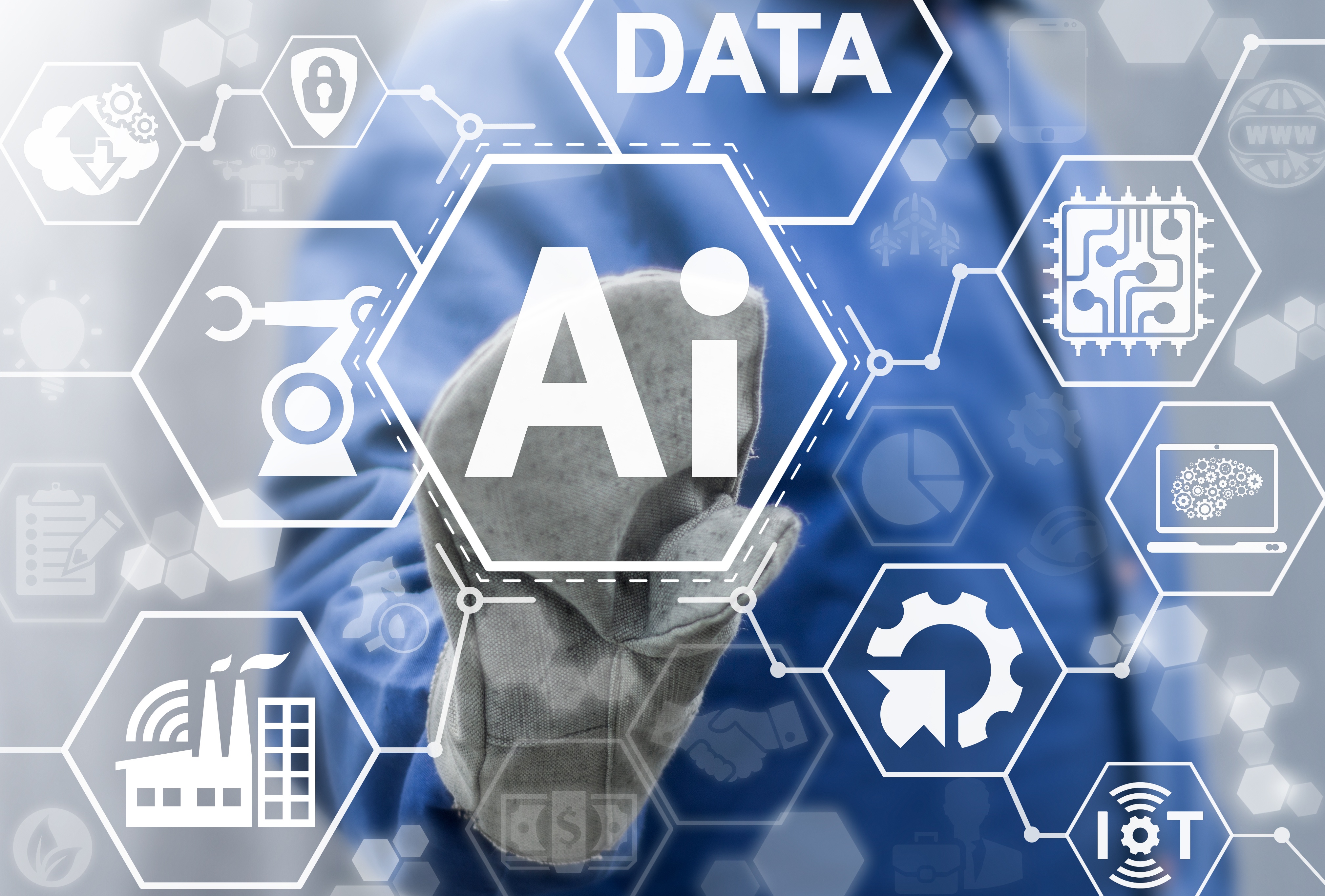
The innovations resulting from the arrival of artificial intelligence (AI) are within reach for many companies. When it comes to using AI and IIoT, consider the five pillars to make a successful AI-based transition and adopt leaner and more agile work practices.

Artificial Intelligence
Industry 4.0
Lean Manufacturing
IIoT
Five Pillars of a Successful AI-based Transformation

The innovations resulting from the arrival of artificial intelligence (AI) are within reach for many companies. When it comes to using AI and the Industrial Internet of Things (IIoT,) Senior Vice President, Global Solutions & Innovation at Hitachi Consulting Philip Townsend says these things need to “work together securely at commercial or industrial scale to create business value.” In a report he wrote with Vice President Organization Effectiveness at Hitachi Consulting Susan Anderson and Hitachi Fellow Dr. Kazuo Yano, they discuss the “Five pillars of a successful AI-based transformation,” and more with a view to helping your manufacturing plant more lean and agile with AI and IIoT.

Here are the five pillars of a successful AI-based transformation according to Townsend, Anderson, and Yano.  


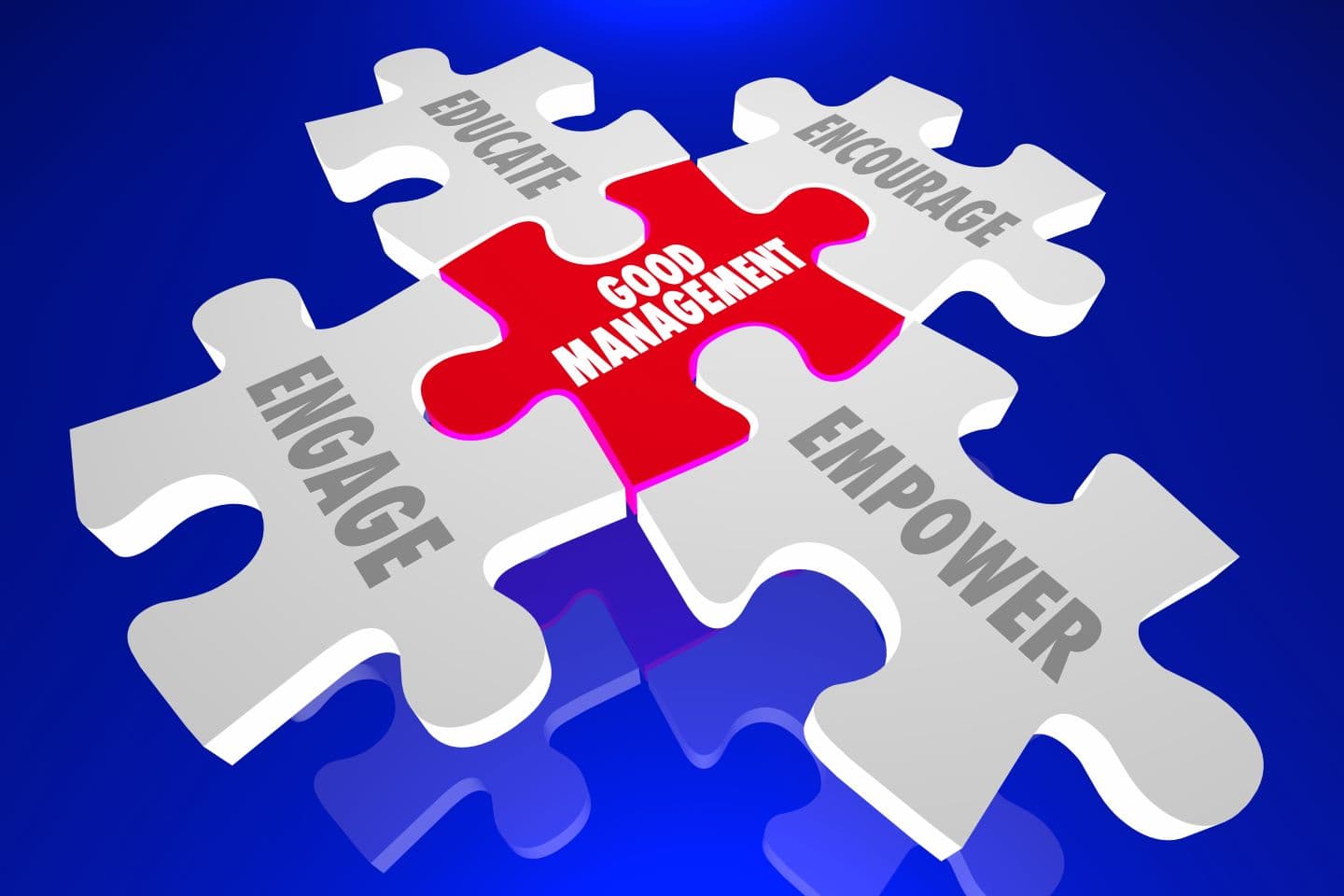
  1. Demonstrate effective digital leadership: Leaders wanting to create new value streams from AI need to be collaborative with  groups like R&D and IT, but also recognize that the digital vision ultimately cascades from the  top down through the rest of the organization.
     
  2. Enhance customer engagement: In practical terms, this means putting the customer at the center of the AI vision and building the capabilities required to move ever closer to customers, end-users, suppliers  and investors.
     
  3. Improve the operational environment. This pillar is foundational because AI and other digital capabilities enable organizations  to act faster, smarter and more cohesively, with unprecedented levels of clarity and precision.
     
  4. Evolve the core architecture: An essential component of digital transformation using AI is evolving the  core architecture. Streamlined, secure and robust IT drives the digital enterprise, creating a more  responsive digital core that provides intuitive access to business data and apps that enable greater efficiency and effectiveness.  

    Source + read the complete report.
 

Want to learn more?
Download the ebook
Related blog articles

Related articles

Back to the blog
Thank you! Your submission has been received!
Oops! Something went wrong while submitting the form.
Hand interacting with a futuristic digital interface displaying “2024,” AI icons, and technology symbols, representing emerging technology trends, artificial intelligence, digital transformation, innovation, and future-focused business strategy.
9
Jan 2024

Manufacturing Trends to Lookout for in 2024

English
Lean manufacturing infographic featuring diagrams, charts, and key performance concepts related to waste reduction, quality improvement, and operational efficiency, illustrating the connection between Lean principles and Overall Equipment Effectiveness.
16
Oct 2023

The Synergy Between Lean Manufacturing and OEE Monitoring

English
3
Aug 2023

Embracing IIoT: The Smart Path for OEMs to Thrive with a Leading IIoT Smart Manufacturing Partner

English

Related articles

Back to the blog
Thank you! Your submission has been received!
Oops! Something went wrong while submitting the form.
11
May 2020

Tips to Enhance Your Packaging Line Efficiency and Improve OEE Calculation

OEE calculations for packaging operations often produce erratic values as well as lower-than-desired scores. Learn how to overcome these problems.

English
4
Mar 2020

The Biggest Mistakes When Calculating OEE

Here are seven common mistakes that your manufacturing business could be making when calculating OEE.

English
16
Oct 2019

OEE and Predictive Maintenance

Learn how monitoring OEE in real time can enable predictive machinery maintenance capabilities.

English