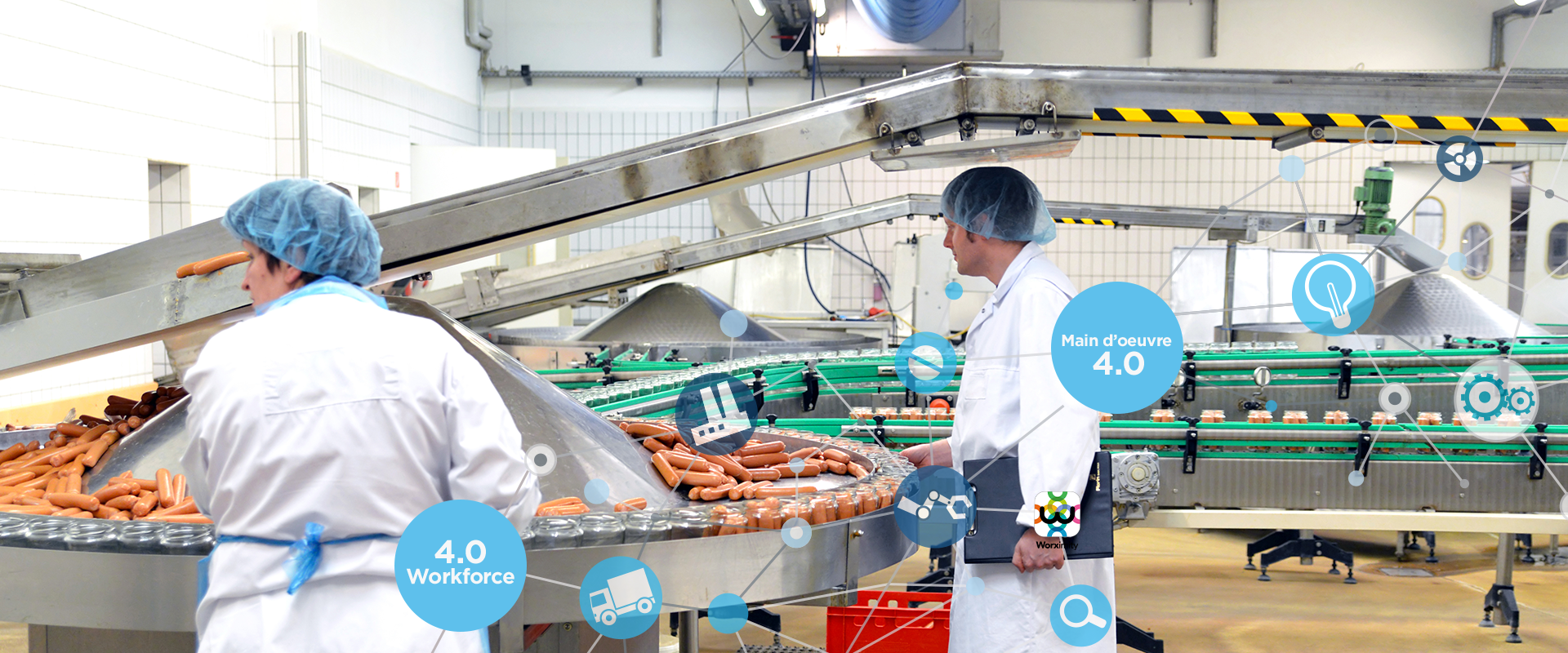

To take the Industry 4.0 turn, it's important to build a game plan broken down into simple, achievable steps.
Drawing on its experience with North American, Mexican, Australian, and European manufacturers, Worximity refined its game plan into 5 steps that propose a natural progression toward the connected factory.
1. Connect and monitor your equipment
The first step to becoming a smart factory is to get reliable, real-time operational data. To do that, many technologies exist to connect equipment, systems, and software already deployed in plants in order to centralize data and provide a global view.
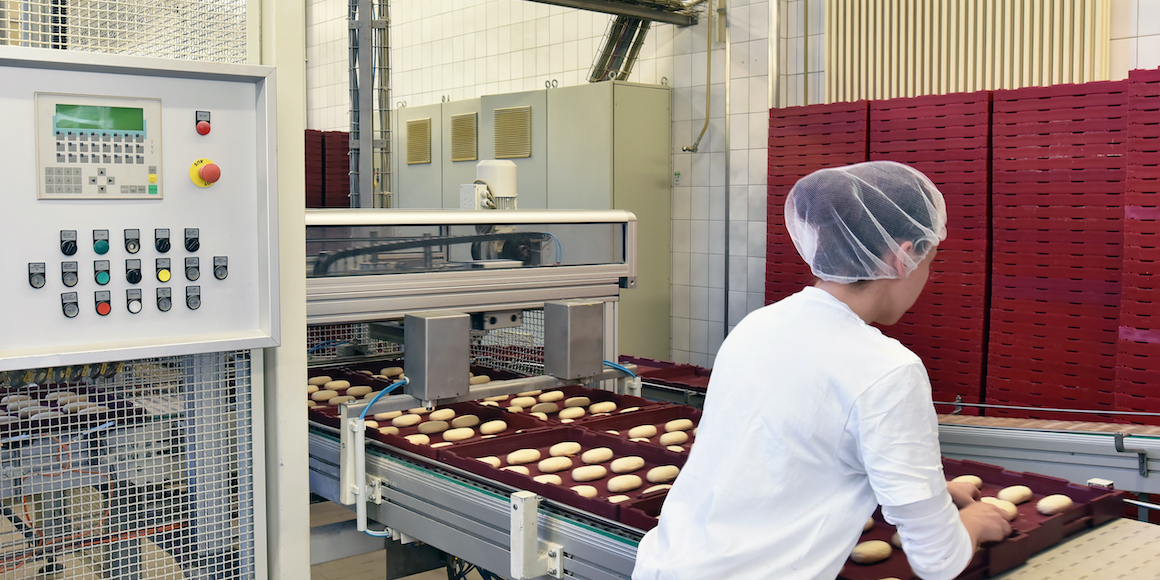
While the most modern systems already deliver a large volume of data through the PLC screen, older machines can pose a connectivity challenge. Sensors installed on legacy equipment can quickly make them smart. Sensor and PLC data can then be combined to provide global visibility on plant-wide operations. Line speed, count and duration of downtime, and availability are all key performance indicators that can be obtained through real-time equipment monitoring.
2. Improve productivity
Now that equipment is connected and the data provides an accurate picture of team and equipment efficiency, overall plant performance can be measured and improved. Standards can be set and automated alerts programmed to warn stakeholders as soon as a slowdown is logged. This higher responsiveness helps reduce downtime and improve production cadence, making manufacturers more productive and more profitable.
Displaying real-time production data on large screens placed strategically in production areas is a great way to engage teams in hitting targets and make employees proactive in solving problems.

3. Compare to better predict
Data compiled over time will be very useful for spotting trends. By comparing production data across products, shifts, and teams, it's possible to identify best practices and winning recipes and roll them out across the company.
Data scientists can also break the data down even further and sketch predictive models that help managers make strategic business decisions based on reliable data.
Learn more about the 5 steps (the first 3 of which are covered in this article) to become a smart factory by downloading our ebook Smart Factory 101.