The digital transformation now unfolding is reshaping our workplaces. Manufacturers operate in an environment where the pressure to innovate runs high.
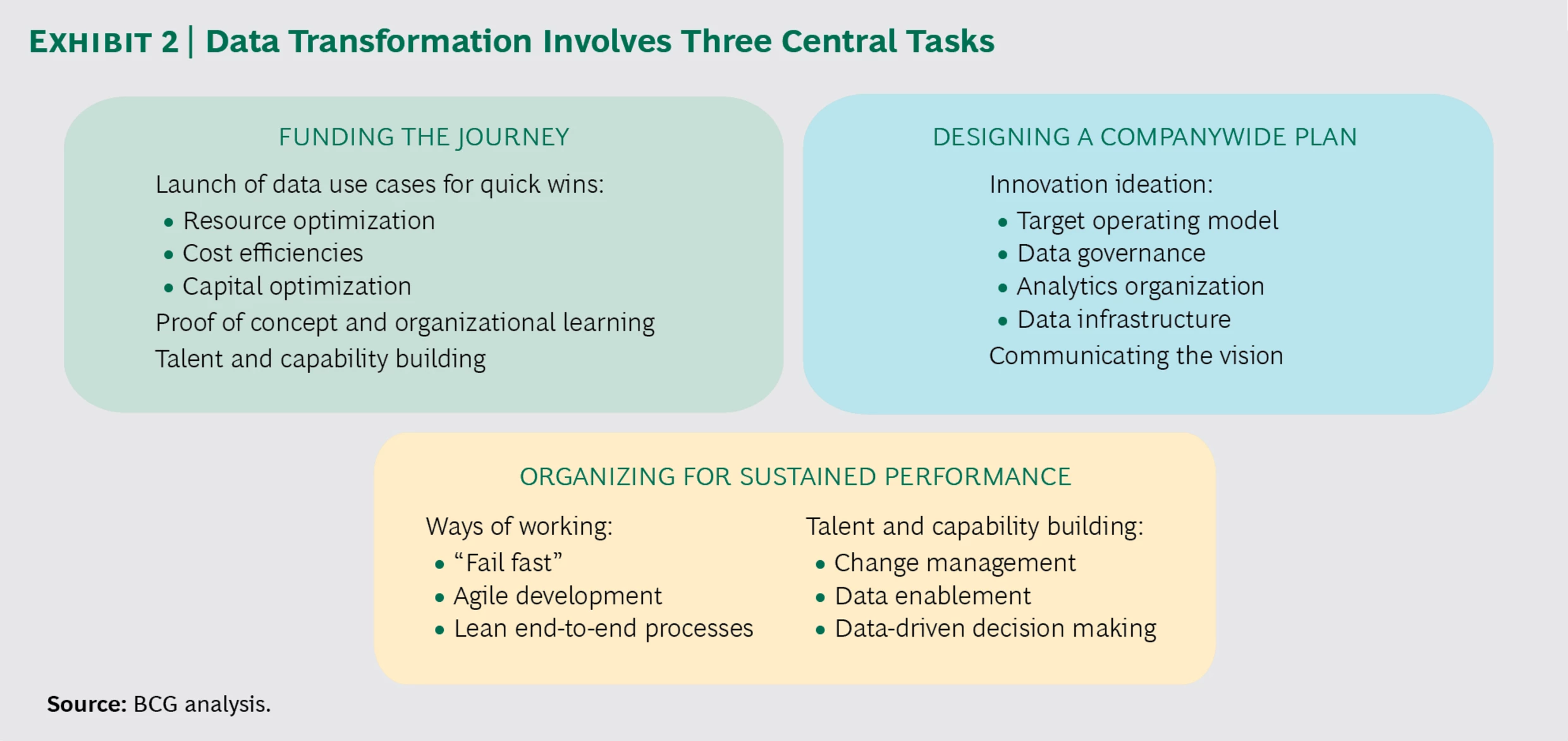
Going digital is no longer optional. According to an article from Boston Consulting Group, one element will set apart companies that succeed in their digital transformation from those that fail: talent.
In the coming years, technologies will keep evolving and becoming more accessible — many already are. Employees with the right skills for these technologies, however, will be increasingly hard to find. When we think about the challenges tied to the 4.0 shift, data security and the major investments required to innovate come to mind. Yet, according to that same BCG article, the biggest technological challenge companies will face is the shortage of qualified employees. So who exactly is this 4.0 workforce?
Still according to the same article, the authors outline 6 essential job domains for a successful digital transformation.
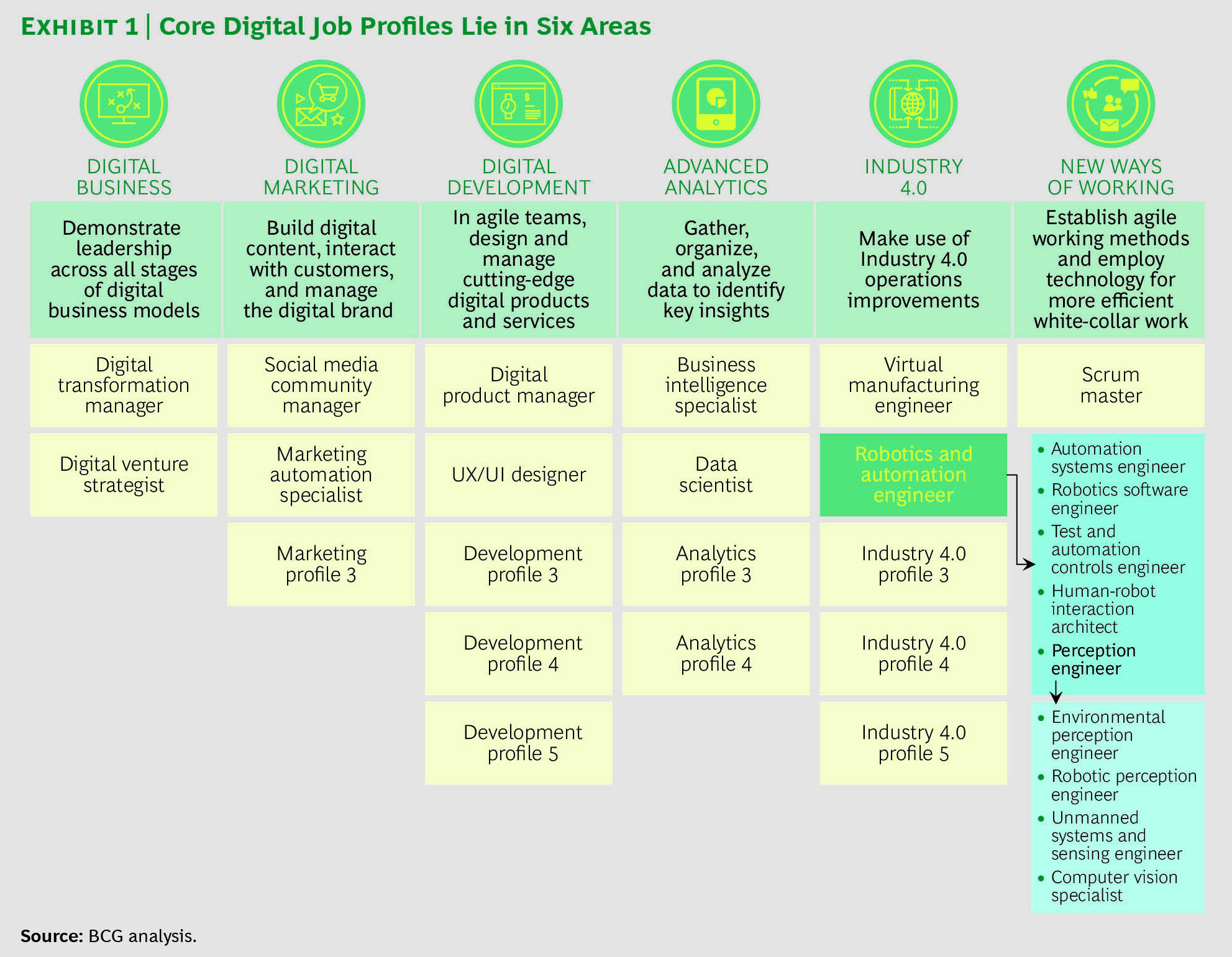
Digital business experts will drive innovation in business models and show leadership across every level of the organization to implement change.
Digital marketing experts will deploy innovative digital communication channels and create digital content to engage with prospects.
Digital development experts will help define and design leading-edge products and services.
Advanced analytics experts will gather all available data and analyze it to uncover trends.
Industry 4.0 experts will be in charge of improving manufacturing processes, particularly through smart factory technologies. This includes automation and robotics engineers, robot coordinators, and similar roles.
The last domain refers to experts in new ways of working. Agile methods will become essential and enable better project management across all types of companies. Scrum masters belong to this domain.
Understanding the domains and jobs essential to a successful 4.0 shift matters, but it is only a starting point. A critical next step is workforce planning. Companies must be able to forecast their exact needs in terms of digital talent.
After identifying the jobs grouped within these 6 essential domains, companies must also ask: Where do we find this talent? How do we recruit and select them? How do we retain them? How do we build a digital organizational culture? An internal champion can prove highly valuable in a digital transformation context. Manufacturers face a major challenge, but it is clear that their talent will become their greatest asset.