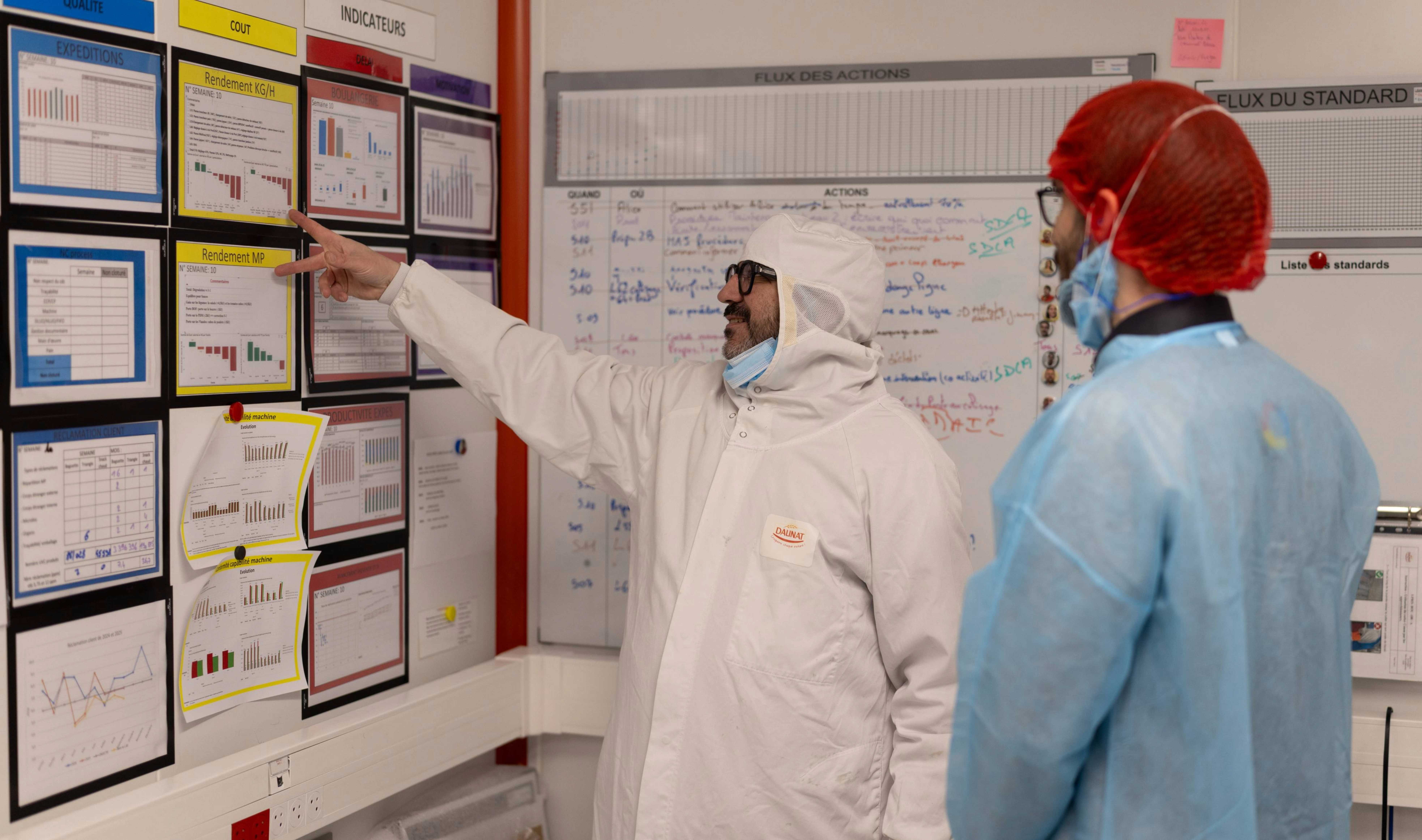
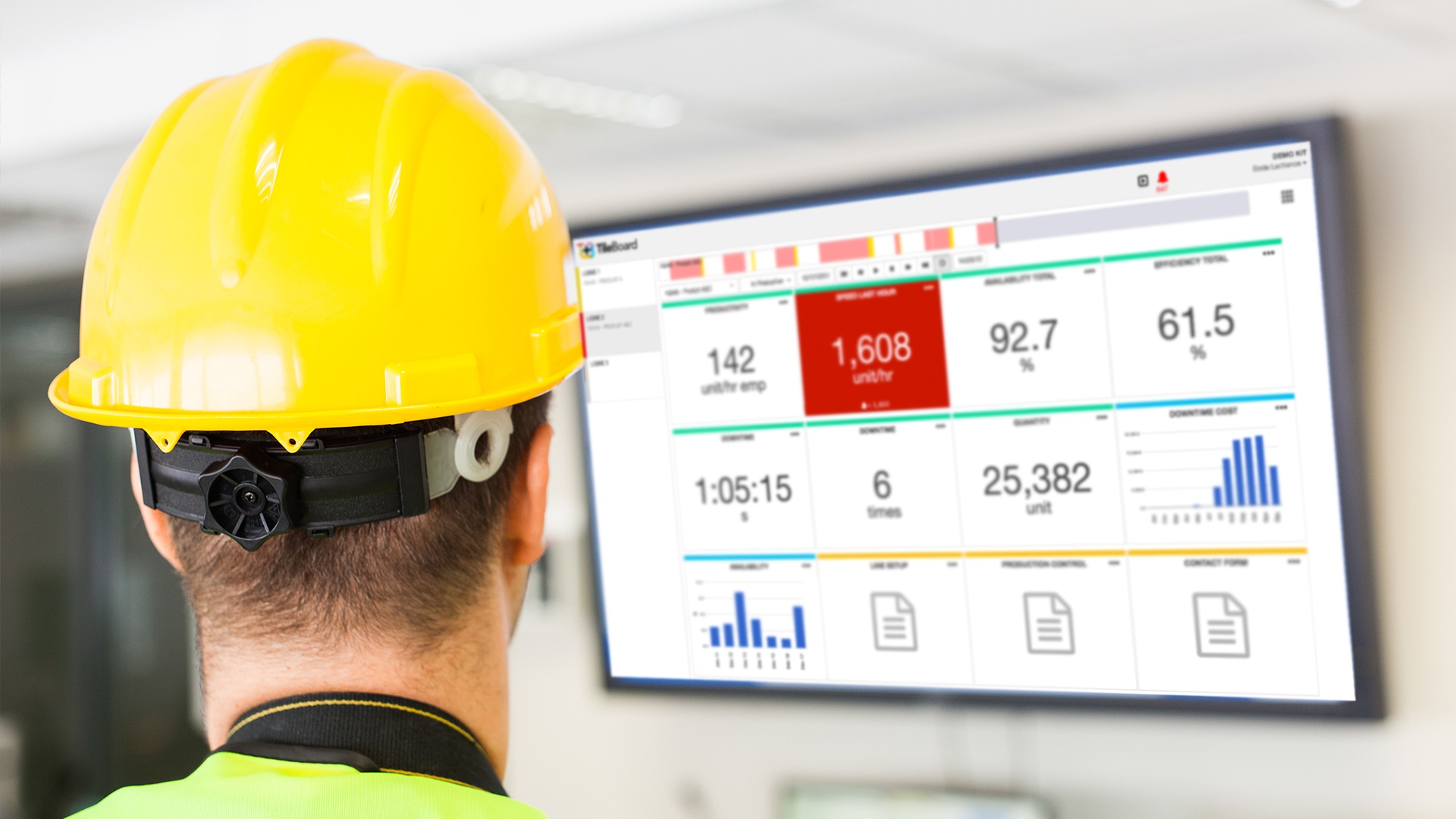
The 4th industrial revolution is reshaping the workplace. New jobs are emerging, the skills manufacturers look for are changing, and technology is increasingly present on the plant floor. Dashboards have become a widely adopted tool among innovative manufacturers. By displaying real-time performance, dashboards boost productivity by 5 to 10%. Becoming a smart factory requires reflection and active management of the human side of change. More than ever, engaging employees through these transformations matters.
The different drivers of engagement
Sharing information is a powerful engagement driver. The principle is simple: if you want employees to take ownership and responsibility for results, you need to give them access to the data and the results themselves. Giving every employee in the plant access to information enables open communication and gives employees the chance to influence outcomes.
Another engagement driver is buy-in. When employees feel involved in the organization's goals, their sense of responsibility grows along with their sense of belonging.
Ownership is also a factor that supports engagement. Employees need to take ownership of company projects so they feel responsible for the results. Setting and measuring objectives makes ownership possible.
Finally, another engagement driver is recognition. After buying in and taking ownership of objectives, employees want their wins and successes to be recognized by the organization.
Dashboards to engage teams
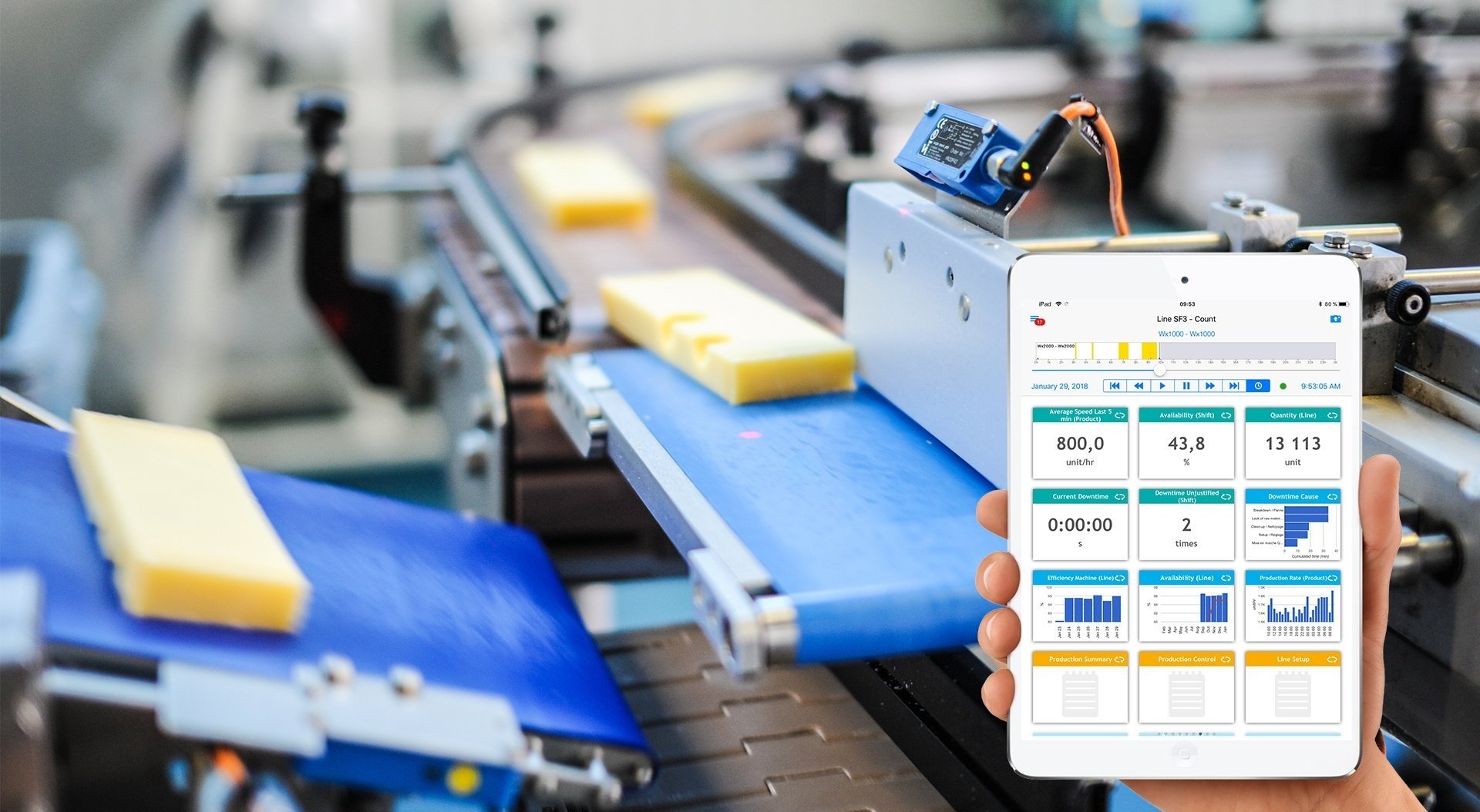
The dashboard is the ideal tool to engage employees inside the plant. Beyond providing fast, real-time access to information, the dashboard brings every employee together around shared goals across the whole organization. Employees can track progress and target attainment at any moment during their shift. With real-time results, immediate recognition is now possible on the shop floor. Why not act on small real-time recognition moments whenever a target is hit? The dashboard surfaces production data in real time and helps engage and mobilize teams.
Curious to learn more? Download the Stelpro case study on the human side of Industry 4.0.
Source: Lamoureux, Jean-Charles (2009). "Engagement, the key to organizational success: the levers of engagement," Ordre CRHA.