Continuous Improvement is a method used for identifying opportunities for improving efficiency and cutting waste. It is a mindset that must be implemented in the culture of a company in order to keep improving the products and services your company may offer. You should understand what you should aim for as a food manufacturer and then craft a Continuous Improvement program that targets your needs. Philosophies and methods such as Six Sigma, PDCA cycle and Lean Manufacturing are extremely valuable and will most likely be the foundation of your Continuous Improvement program. Practices such as Catchball and Gemba Walks are also great Continuous Improvement tools.
These philosophies have become very popular in all industries, including food manufacturing. In Food Processing’s 2014 Manufacturing Trends Survey, a majority of food manufacturing professionals stated that their company has implemented formal improvement programs based on Lean Manufacturing, Six Sigma, Kaizen events, others.
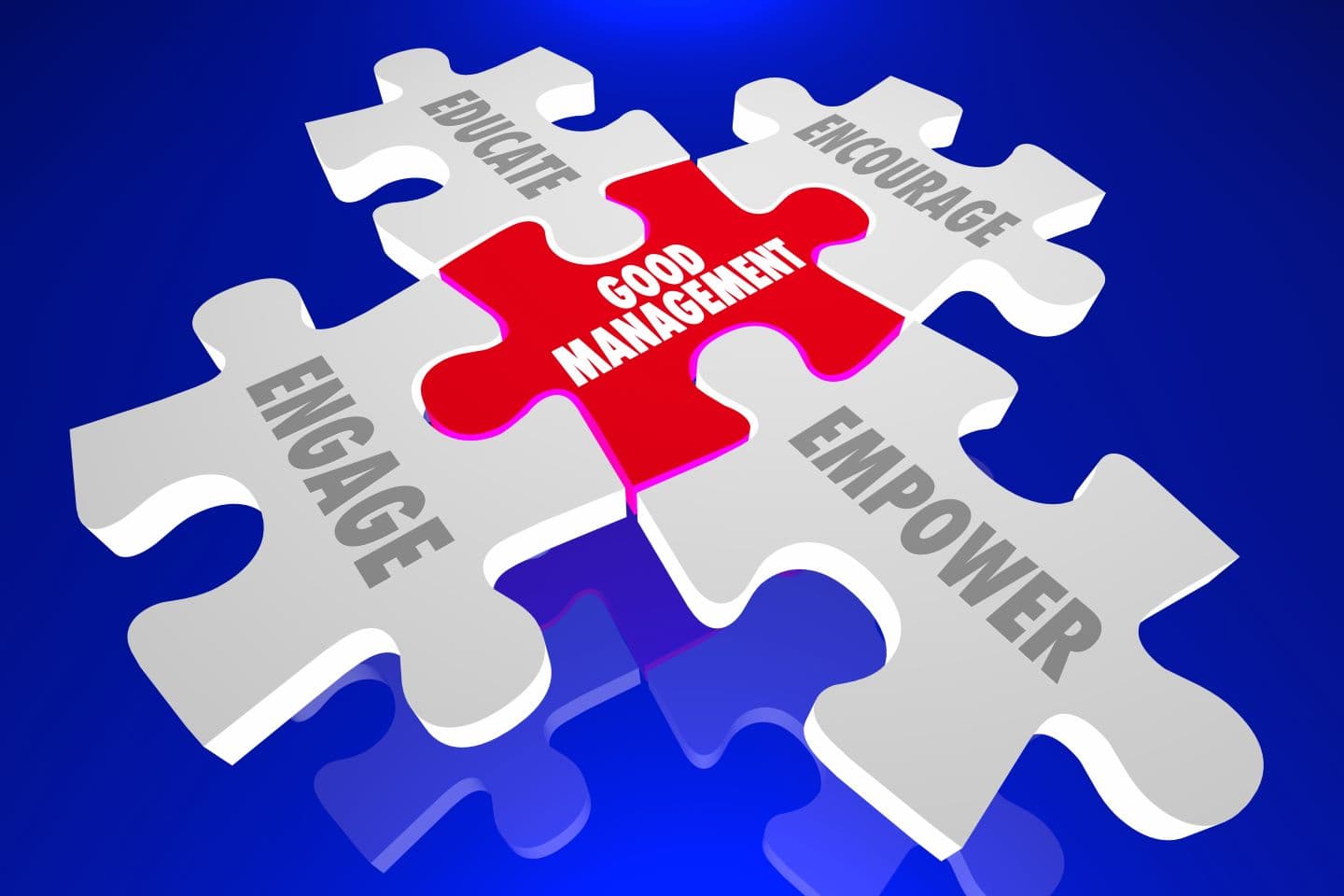
Methodologies like these should be applied in a bottom-up manner, with all associates applying a Continuous Improvement mindset and looking for improvements. At times, when analyzing these different methodologies and schools of thought, food manufacturers may get confused. Different methodologies have different priorities and that is why you should know what your plant’s areas of improvement are, so you choose the right method for your program. These methodologies may be the foundation of your Continuous Improvement program, but by no means they are the program itself. Six Sigma, for example, is a powerful tool to fix long running complex issues, but not really applicable for everyday operations. Focusing on your employees and their growth will bring your Continuous Improvement program to success. Changing your company’s culture and engaging your entire personnel may be a challenge, but doing so will provide you with the changes you want to see in the first place.
Truth is, all methods and strategies that are used for Continuous Improvement contain habits all Continuous Improvement managers, and their teams, should have. These habits are the ones that will make a difference between a temporary activity-based program and one that focus on employees and their growth.
Below, we list 6 habits that Continuous Improvement managers should have and promote gathered from Food Engineering:
- Consider all metrics: make sure to not select certain metrics because they yield ‘better’ results. This is not only misleading to you and your team, but it also hides areas for improvement.
- Assemble cross-functional teams: bringing different teams within a company together to form one Continuous Improvement team turns out to be very beneficial for all parties involved. By having weekly meetings to address any issues and discuss opportunities, the team can agree on a solution that works best for everyone. Cross-functional teams minimize the potential negative effects of improvement initiatives on other departments.
- Define focused and achievable goals: having clear goals is crucial for acquiring a Continuous Improvement mindset. Goals can be challenging, Continuous Improvement is not an easy task at first, but they should be realistic.
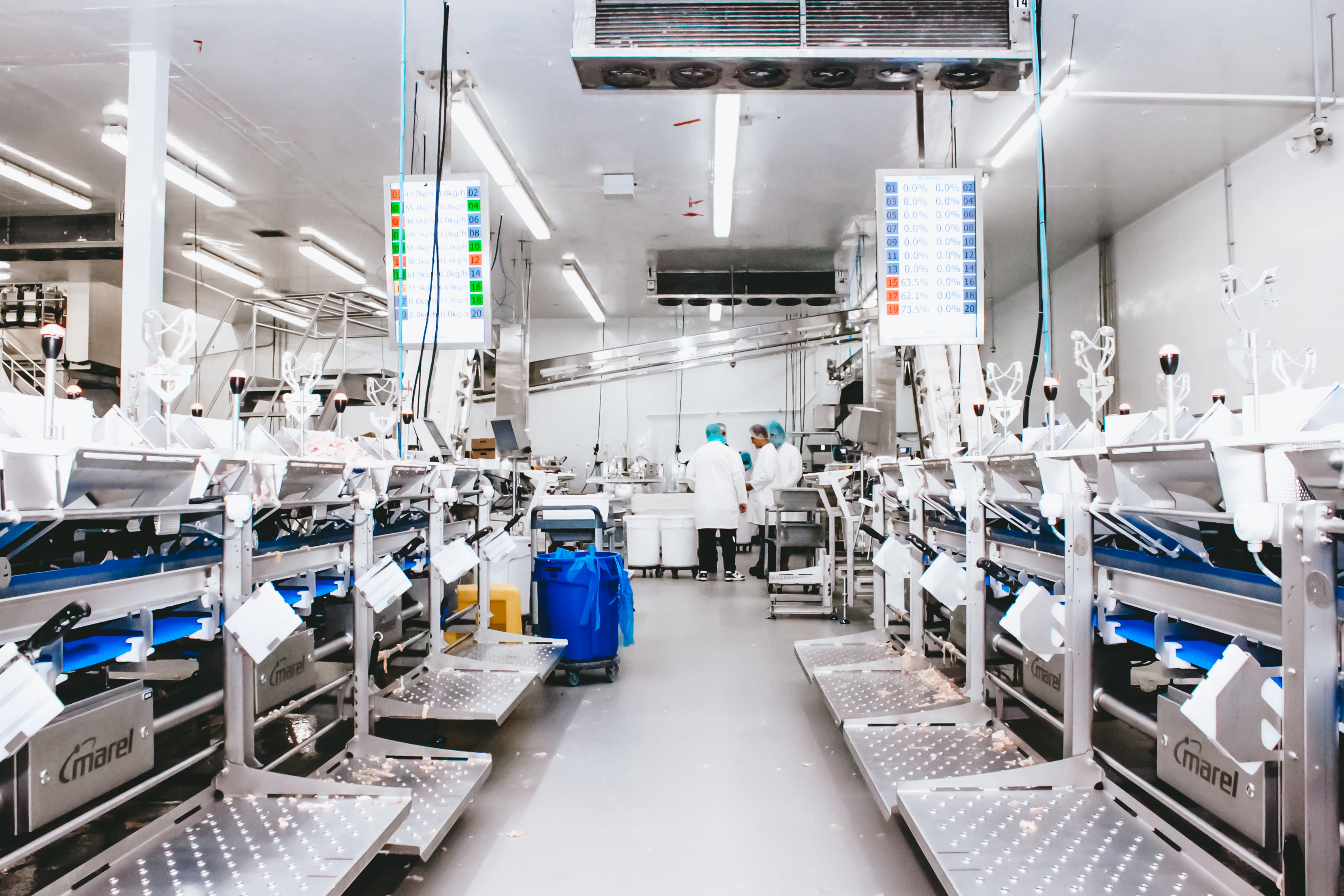
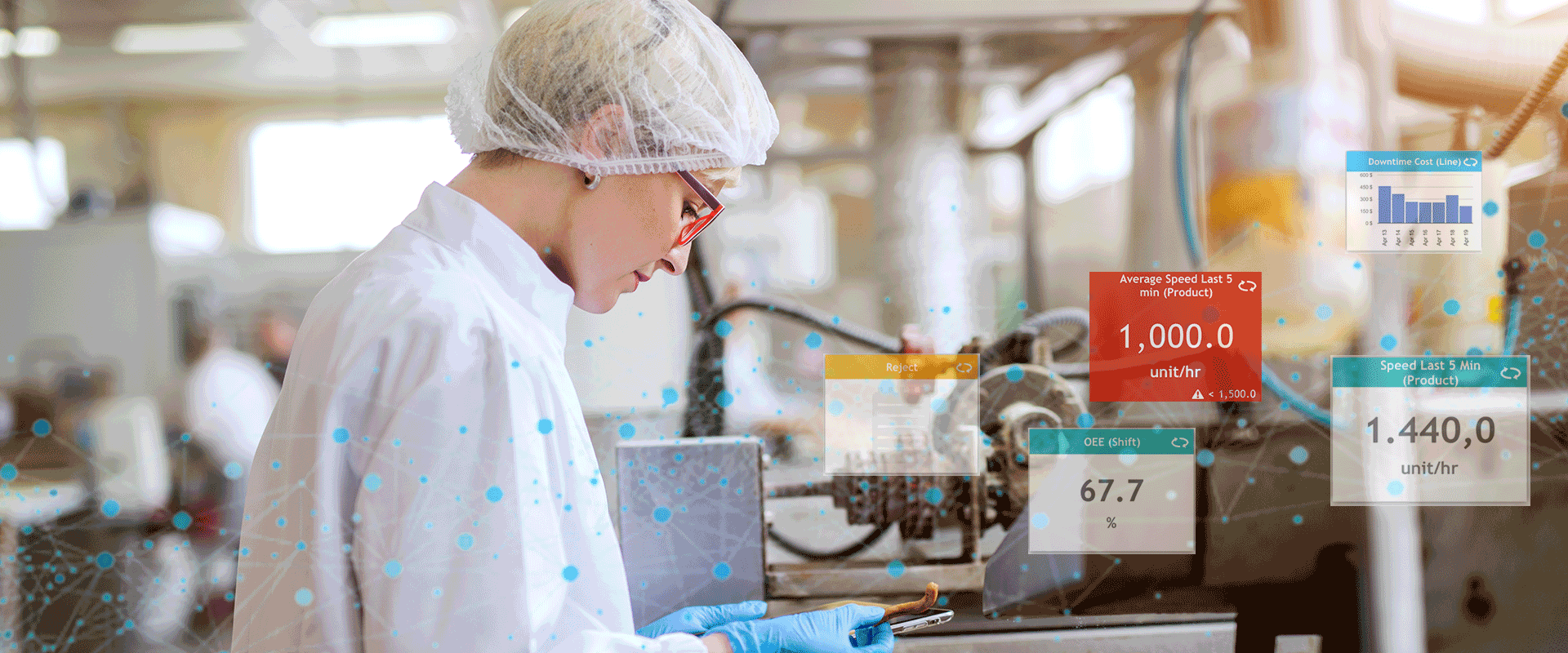
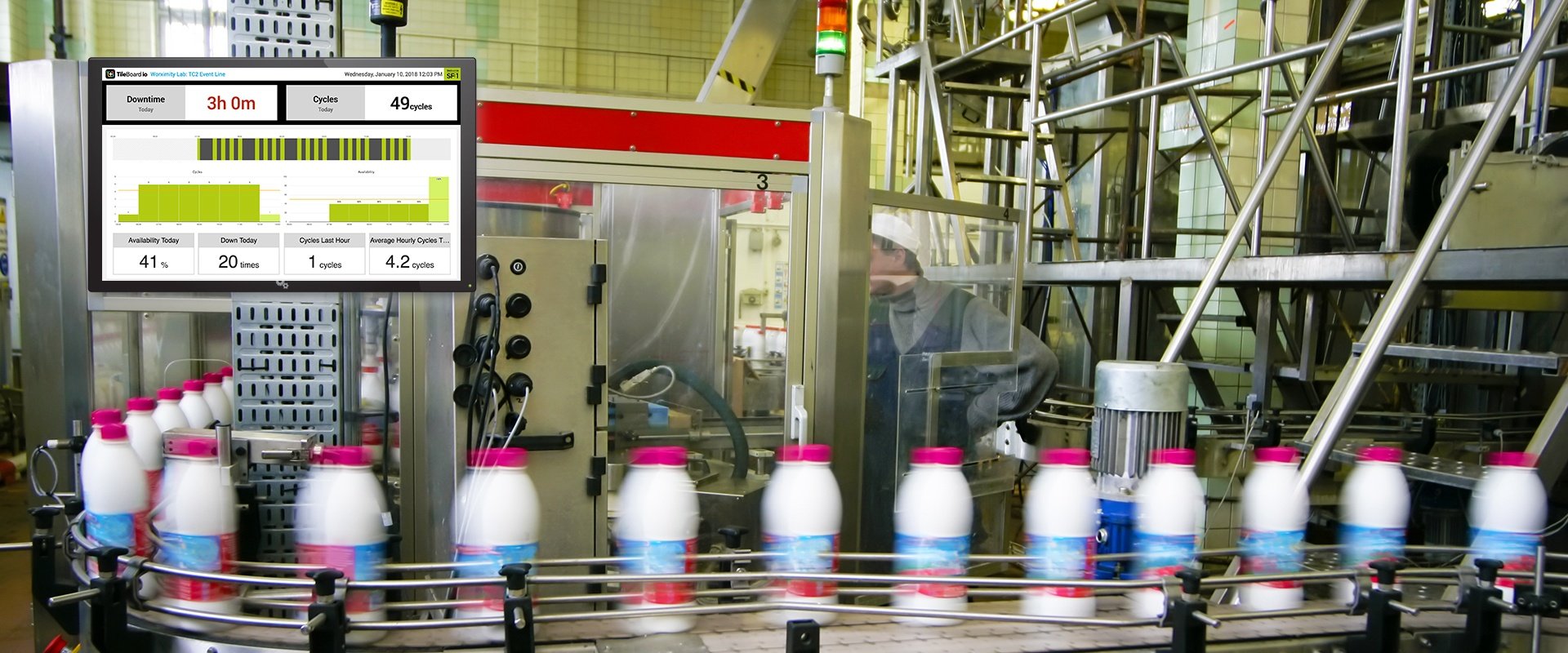
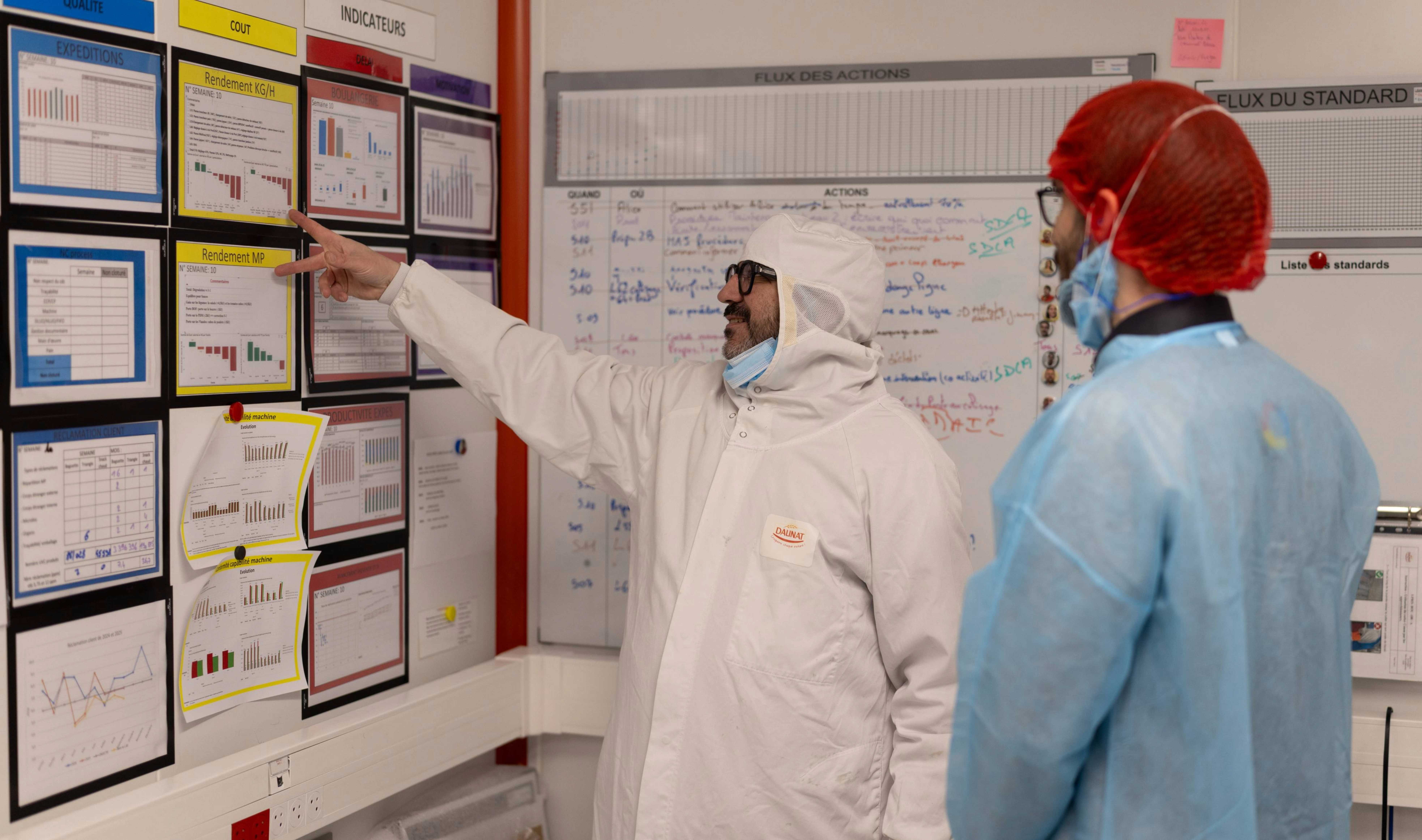
- Utilize KPI metrics: real-time accurate information is crucial to increase efficiency. Both business managers and operators must have real-time visibility to production KPIs, this allows everyone to identify and respond to events that hurt efficiency.
- Involve operators in data collection: line operators should be engaged in gathering information for later analysis. They should report problems instead of hiding them, too. Plant and lower-level workers are an important resource and should be trained and involved in Continuous Improvement efforts. Strict lines of hierarchy should be lessened, if not erased, and managers should listen to the workers that deal with machinery everyday and see problems first-hand.
- Implement real-time root-cause analysis: as stated, teams at a plant must have access to real-time production data and metrics. This will allow for identification of problems and planning for eliminating them. Real-time data removes human intervention and misinterpretation and allows the staff to react to facts.
Practicing these habits benefit food manufacturers in many different types of operations. These types of actions will allow for a successful Continuous Improvement program that engages employees and changes your company’s culture to one of productivity and efficiency.
Once recommended tools and methodologies are implemented, and the correct habits are formed, your Continuous Improvement efforts will yield great results.