
Today, food and beverage companies have to operate at unprecedented scale and speed to stay profitable. That means finding ways to improve efficiency wherever possible and quickly and effectively implementing industry best practices.
New technologies can deliver huge benefits, but they have to be paired with continuous improvement tools, a well-trained workforce, and adherence to industry best practices if you want the best possible results.
Here are some of the best tools found in the continuous improvement toolkit:
Catchball
The main idea behind catchball is one that also underlies continuous improvement: the more people who try to solve a problem, the better the odds of finding a good solution. Catchball is essentially an approach built on the principles described above — a process designed to promote ease and effectiveness.
How it works: when a continuous improvement project kicks off, all aspects are defined. The context, the challenges, the goals, and every other necessary parameter are documented clearly and concisely. With this blueprint, the project can be passed from one team leader to another until completion. Essentially, the project is the "ball" and it is "passed" to the best team to move it forward at a given stage. This lets the team with the best experience and knowledge handle the problem they are best suited to, and avoids teams that are struggling dragging along a project they cannot effectively complete.
Gemba walks
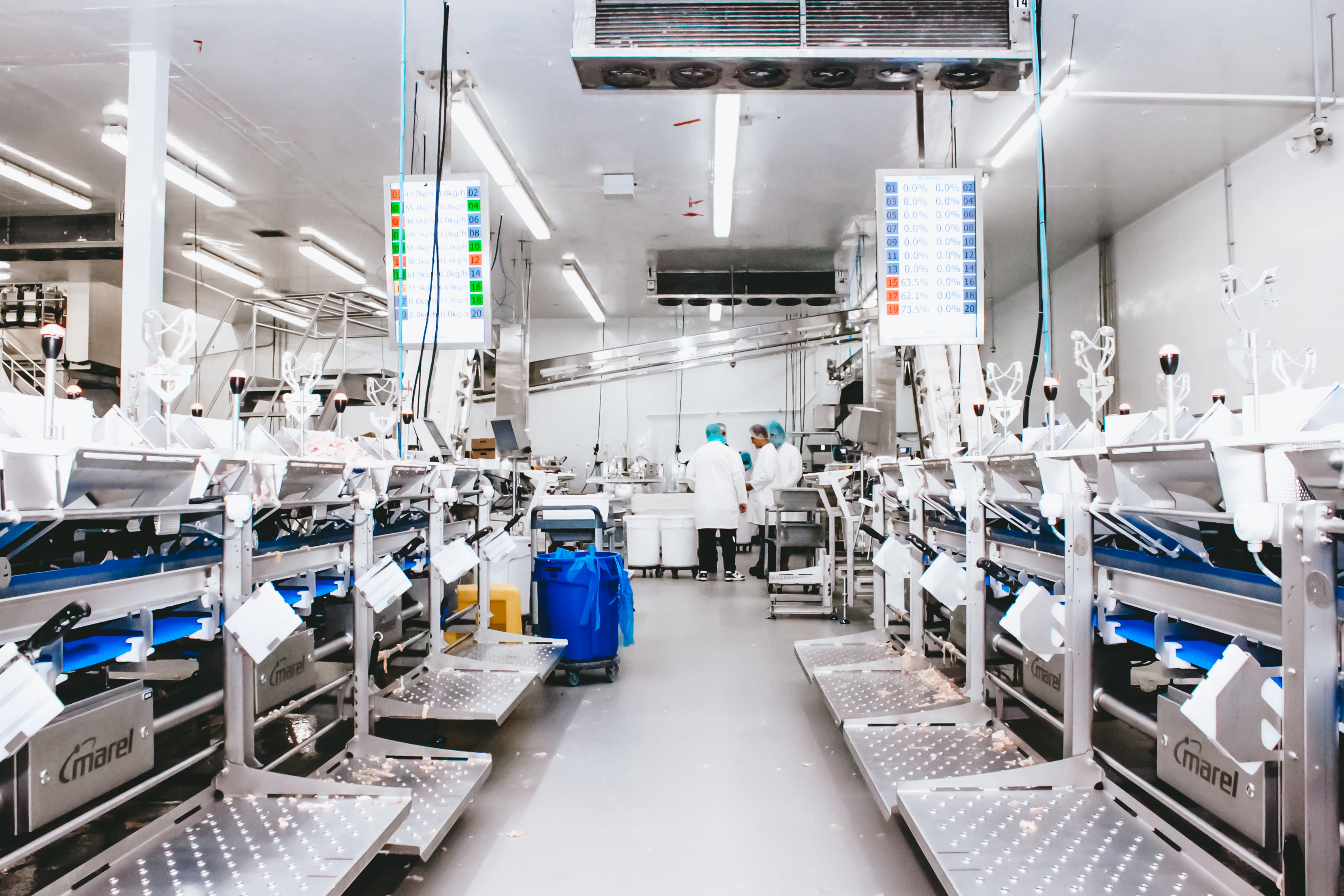
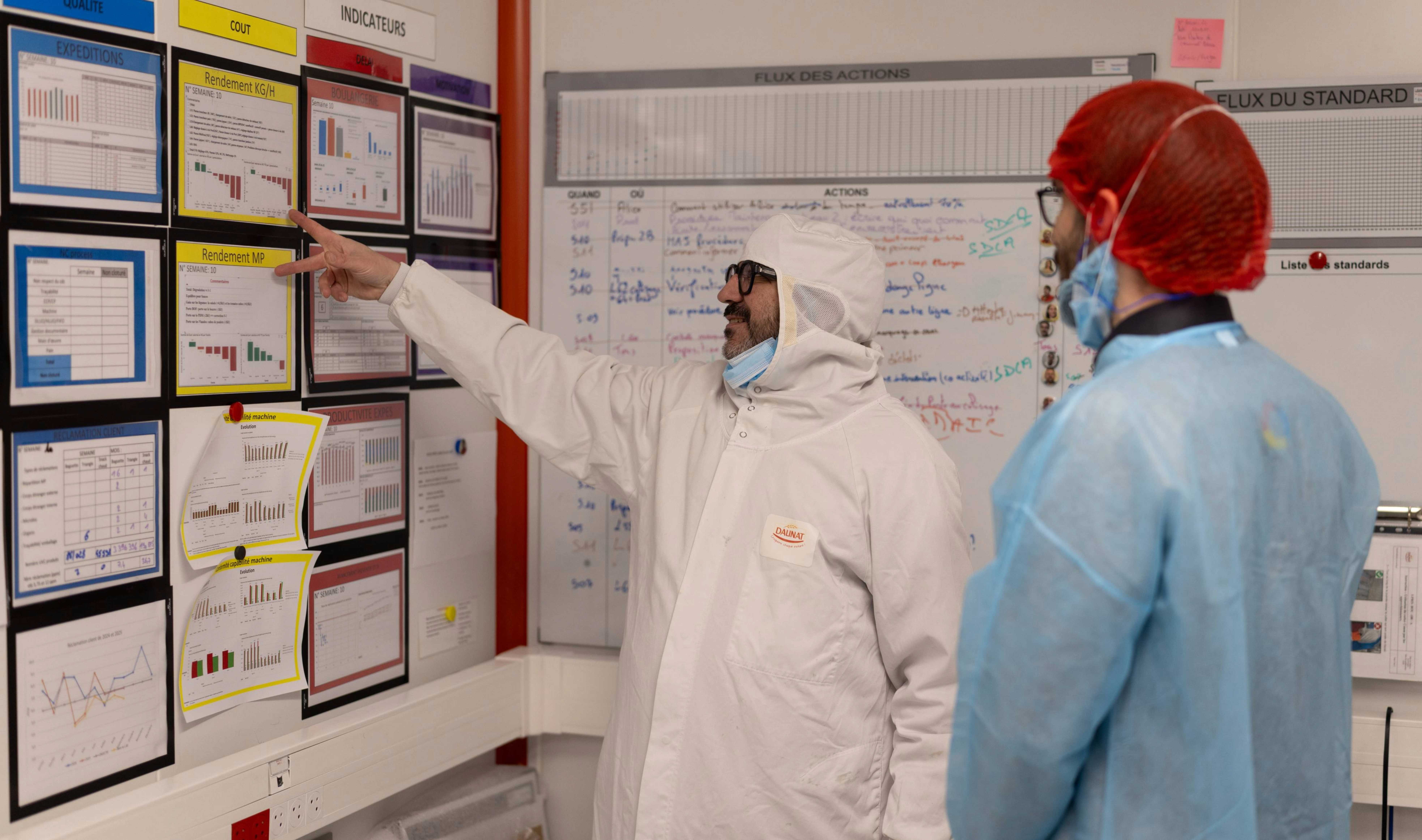
"Gemba" is a Japanese word meaning "the real place" — an elegant summary of the technique. Gemba walks are essentially plant tours. During a gemba walk, managers and supervisors go into actual plants to observe opportunities for improvement at the workplace level. These walks help close the gap between management levels and enable face-to-face interaction with the people who know best how a real plant operates. By learning to correct many small inefficiencies, a company will incur fewer capital losses over time.
However, for gemba walks to be an effective continuous improvement tool, they have to be done carefully. That means taking the time to visit the plant at different times of the day and on different days of the week to see how worker behavior changes by day and time slot. It is also important not to ask leading questions of plant workers, but rather to raise hypotheses, to make sure you get honest, accurate answers. Innovation initiatives and projects are doomed to fail if you believe the best way to operate is the one dictated by the company.
Hoshin Kanri
Hoshin Kanri is another Japanese term that can be translated as "management policy deployment." In practice, it is a formalized system of aligning strategies with management decisions that uses continuous improvement ideas as a guide. The goal is long-term success, and to get there, the following criteria must be met:
- The entire organization must be focused on a few well-defined objectives
- These objectives and strategies must be known company-wide
- Leadership must play an active role in the continuous improvement process
- Lower-level employees must also take ownership of the company's objectives
At first glance, these rules may seem strict and rigid, but in reality they promote creativity and communication at every level of a company.
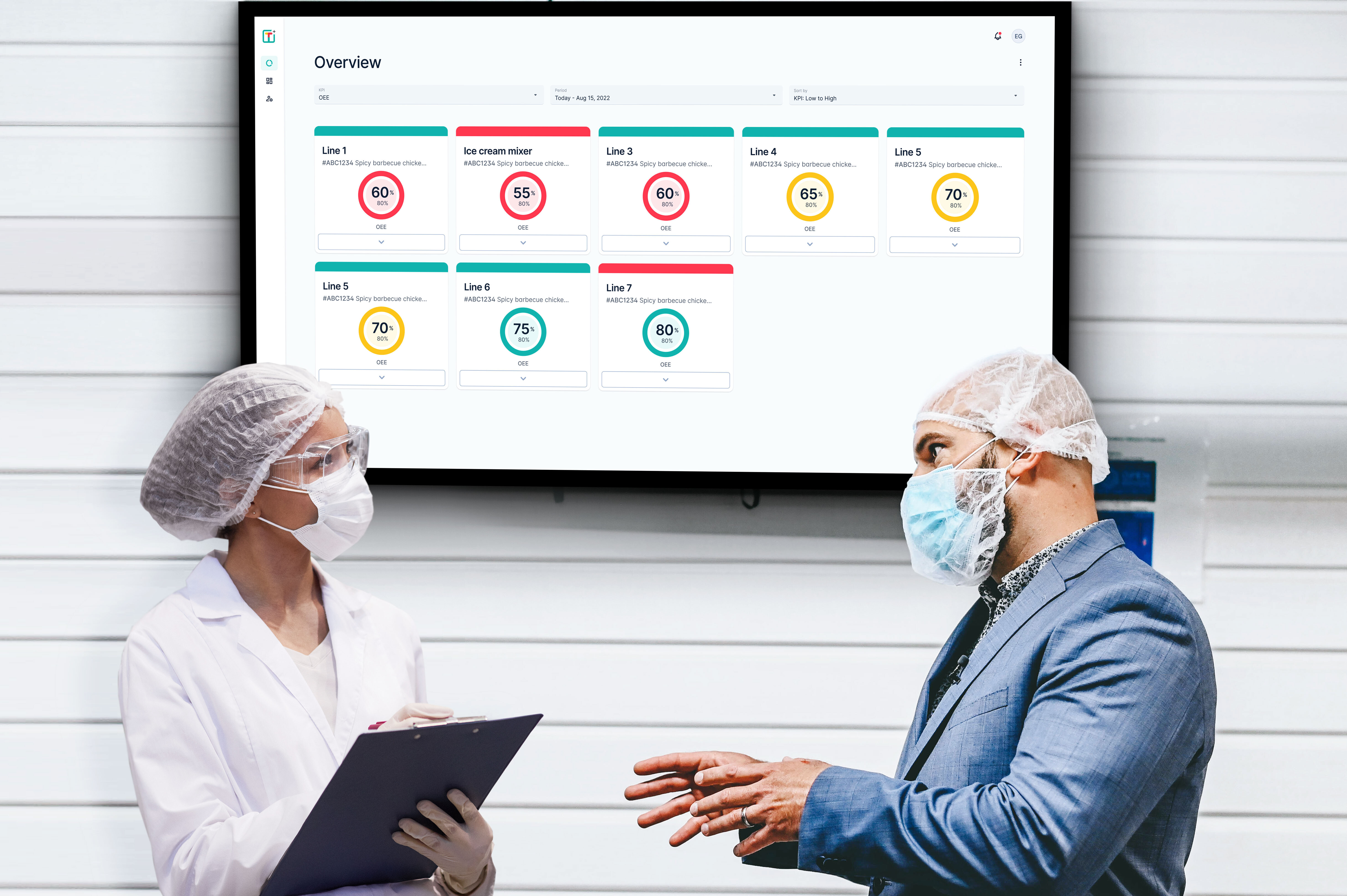
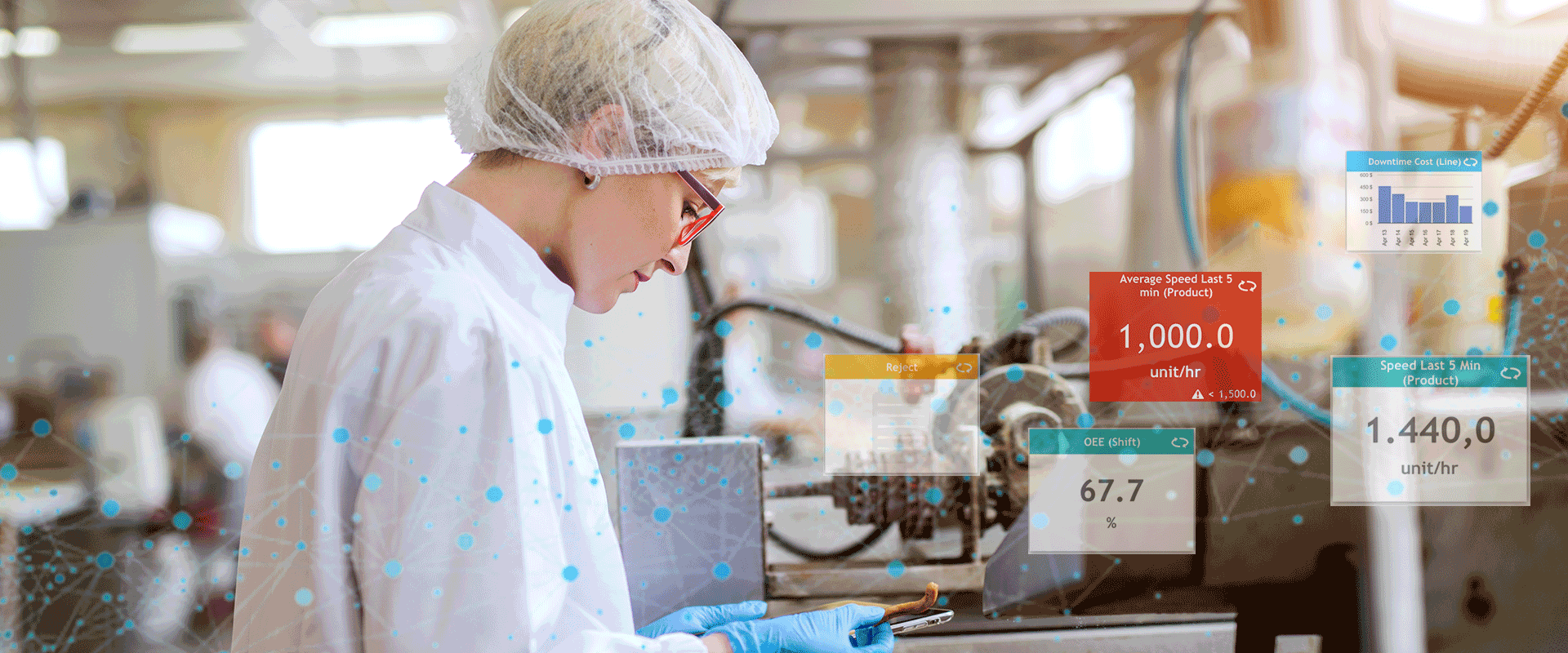
Once a company applies these techniques and puts these continuous improvement tools in place, it can benefit from the added value obtained through smart plant data analytics. At Worximity, we know a complete organizational structure is needed to get the most out of our products. We want to give our customers the best resources possible to optimize profitability. For more on continuous improvement tools, click this link.