Defined by the rise of digital technologies, Industry 4.0 will enable manufacturers to be more productive and therefore more competitive.
Industry 4.0 is reshaping the world of work and the economy as we know it today. The workforce is one of the areas where change runs deepest. Employee needs are shifting, and new jobs and new skills are now in demand.
We hear more and more about these changes, but how do they actually play out on the plant floor? A recent Boston Consulting Group report titled "Man and Machine in Industry 4.0" analyzed the impact of 10 specific examples on jobs lost, gained, or transformed. Here are 10 human-machine interactions that have already begun reshaping the workplace.
1) Metadata-based quality control
Algorithms are now used to analyze quality control data in real time or after the fact. Rather than relying on a team of QC technicians taking and analyzing samples, manufacturers will increasingly turn to data scientists to interpret the data collected.
2) Robot-assisted production
Robots are showing up more and more in plants. They are roughly human-sized and can be trained to handle new simple tasks. Manufacturers will need fewer production laborers or operators, but more employees to coordinate the robots.
3) Autonomous logistics vehicles
Self-driving cars will soon be on our roads, but they're already inside plants. Small autonomous vehicles can move through facilities to handle logistics, reducing the headcount needed for warehousing and distribution.
4) Production line simulation
Manufacturers can simulate production and gain relevant insights to optimize operations. Industrial engineers will be key players in this role.
5) Smart factory technologies
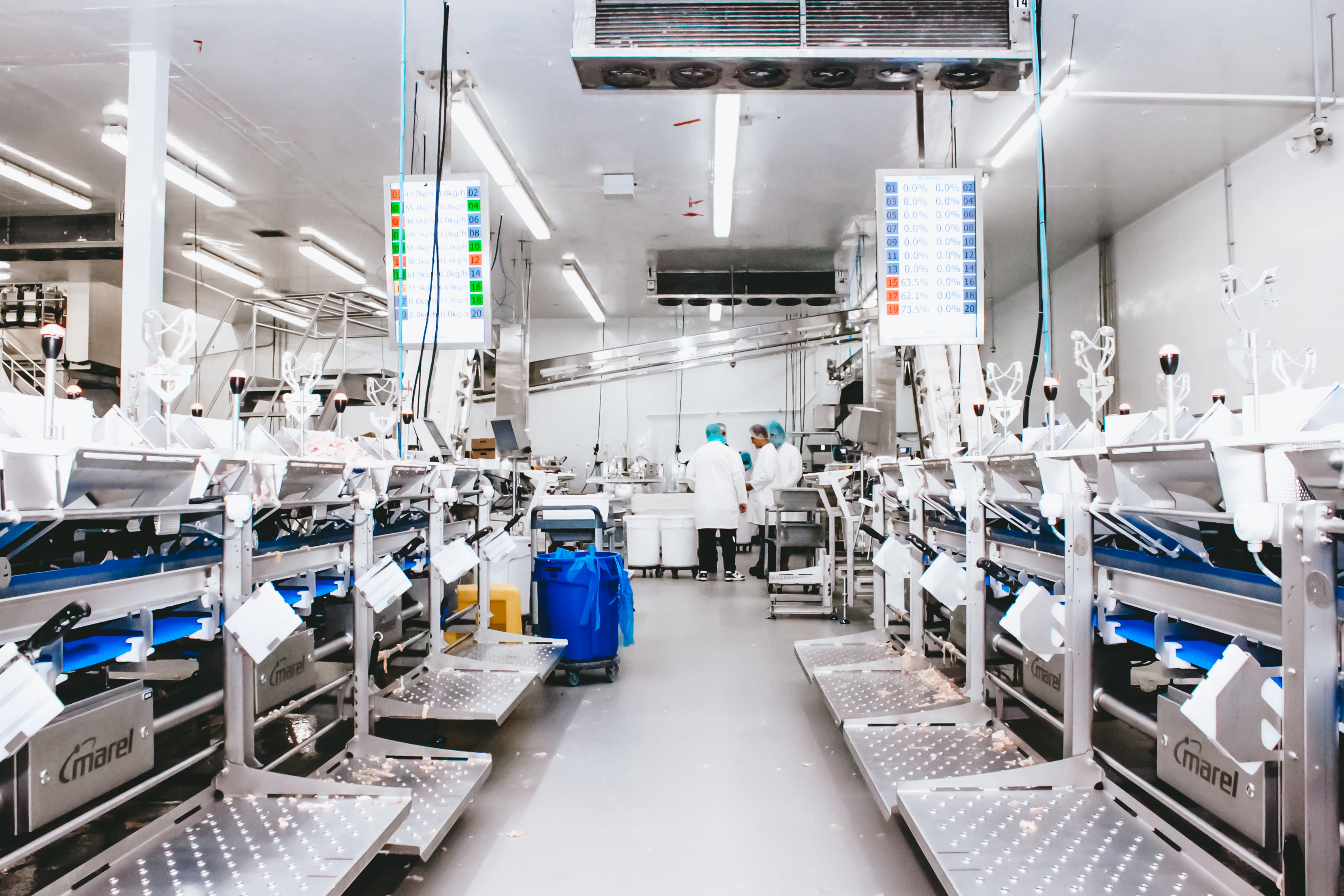
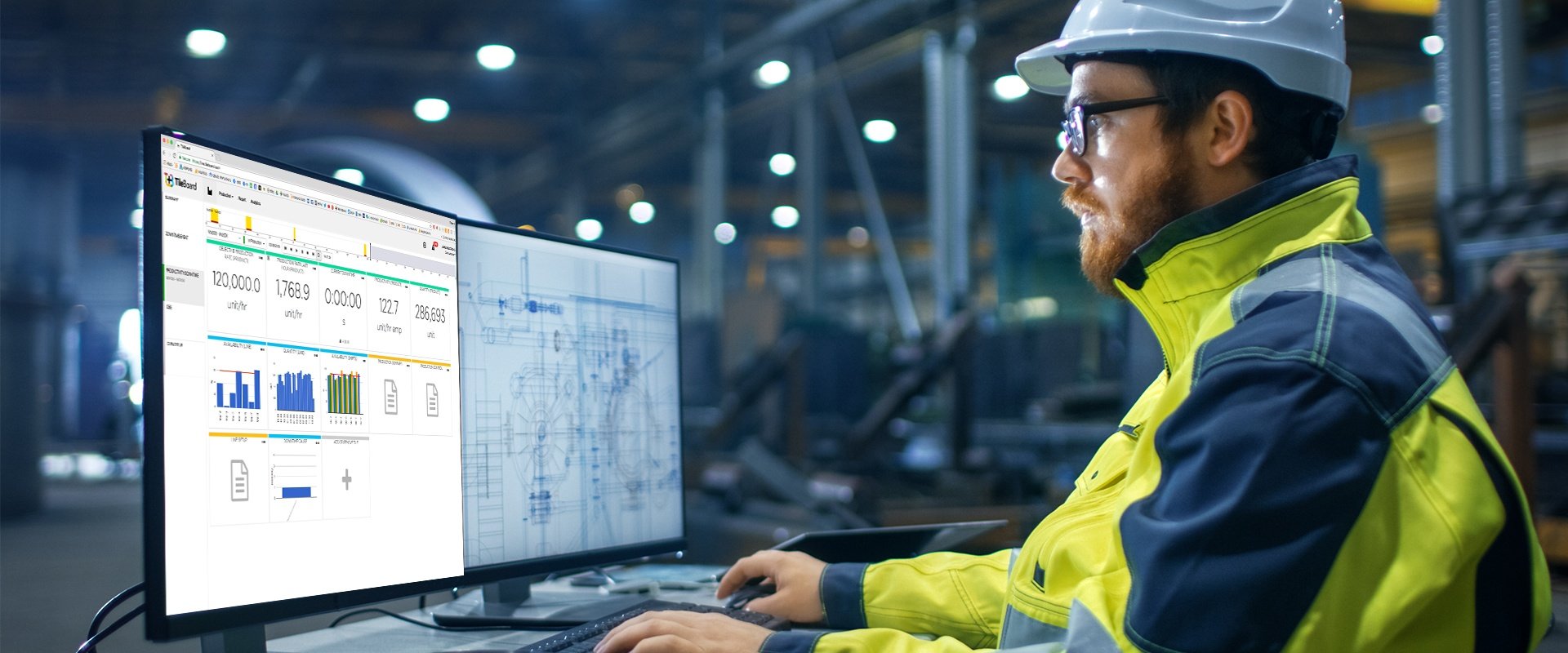
By monitoring production lines, manufacturers can make better decisions in real time. A production monitoring software like TileBoard delivers real-time KPIs to boost productivity. Calculate the potential ROI of such a technology here.
6) Predictive maintenance
With monitoring solutions and sensors, you can receive alerts when equipment breaks down or before it does. More IT and data science jobs will be needed, while demand for on-site service technicians will drop.
7) Machines sold as a service
Plants that build production equipment can sell it as a service rather than a product. Equipment can be optimized and programmed remotely. This model requires a stronger sales force from manufacturers and more software engineers.
8) Self-organizing production
Production line automation coordinates and runs equipment at full capacity. Fewer production planning employees will be needed.
9) Producing complex parts with new technologies
With technologies like 3D printing, manufacturers will be able to produce complex parts in a single step. Assembly and inventory needs will shrink, but R&D and engineering specialists will be in increasing demand.
10) Augmented reality
Augmented reality glasses let plant employees consult instructions, locate a specific item, or automatically scan barcodes. These processes boost service technician efficiency but require R&D and IT skills.
In conclusion, both the number and complexity of human-machine interactions will rise significantly in the coming years. Investing in human-machine collaboration will help manufacturers achieve major productivity gains. Whatever the maturity of your technology projects, you need to prepare and manage the change. Let's see these changes as an opportunity to positively transform the job market by investing in internal talent development.
Want to learn more about going digital?
Source: Lorenz, et al. (2015). "Man and Machine in Industry 4.0. How Will Technology Transform the Industrial Workforce Through 2025?", The Boston Consulting Group.