10/4/18

Metal factory 4.0: collect data from your machines, easily

Want to pull information from your machines no matter the type? Learn how a 4.0 factory can collect data from any machine.

Industry 4.0
Smart Factory
Metal factory 4.0: collect data from your machines, easily

In most manufacturing industries, you find production equipment of every type and age. Older machines often sit right next to the latest generation of new technology.

Becoming a smart factory means being able to pull information from your machines regardless of their type or level of technological sophistication.

Take plant XY, which runs two types of machines at opposite ends of the technology spectrum:

  • A sheet bending machine, fully mechanical 
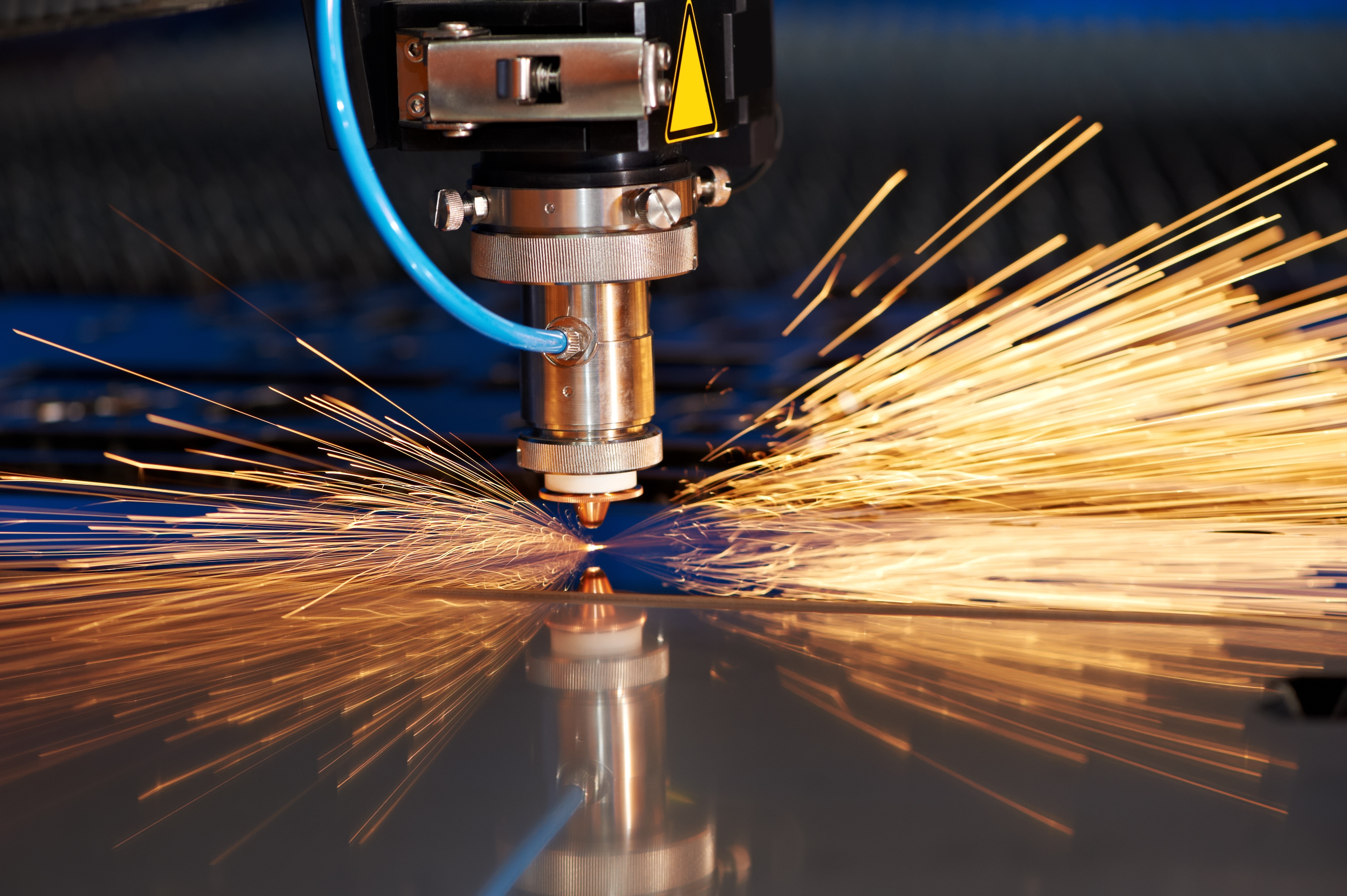
  • A next-generation laser cutting machine.

Here are two simple examples of signals you can capture to collect your production data:

1) A legacy machine: a metal sheet bender

The example here is a metal sheet bender. Some of these machines in the field date back to the 1970s and most are still fully manual. The equipment below is used to bend metal sheets to produce boxes, for instance. The operation is performed using the bars on each side of the equipment, activated by the operator. You can play with the pivot angle of those bars to bend the plates as needed.
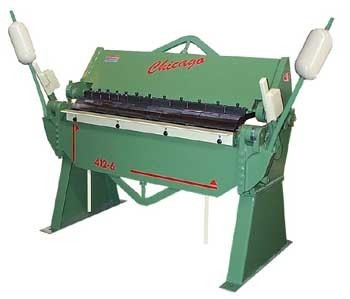
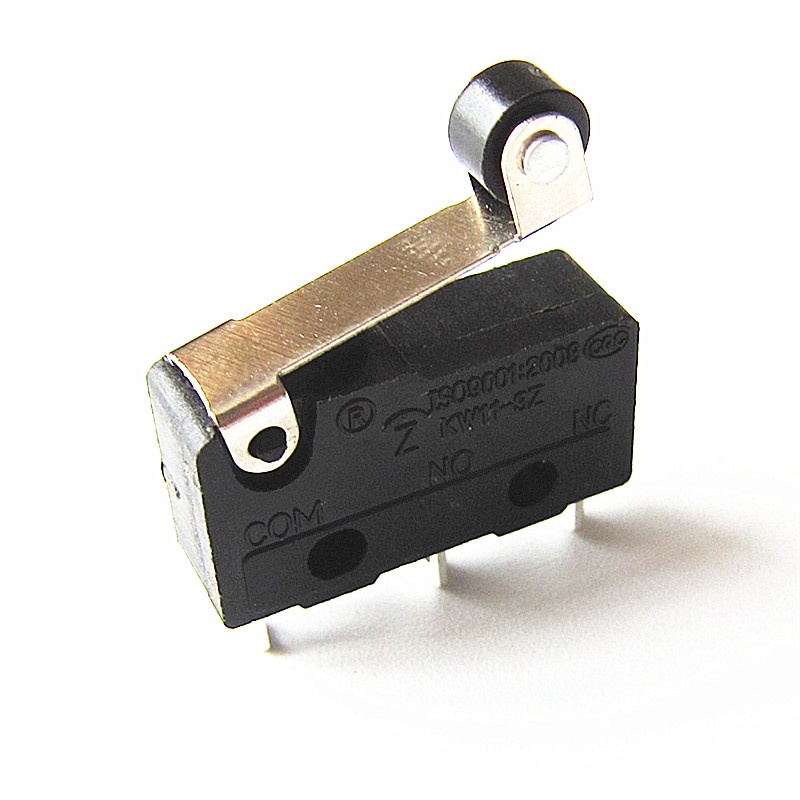
Sheet bender
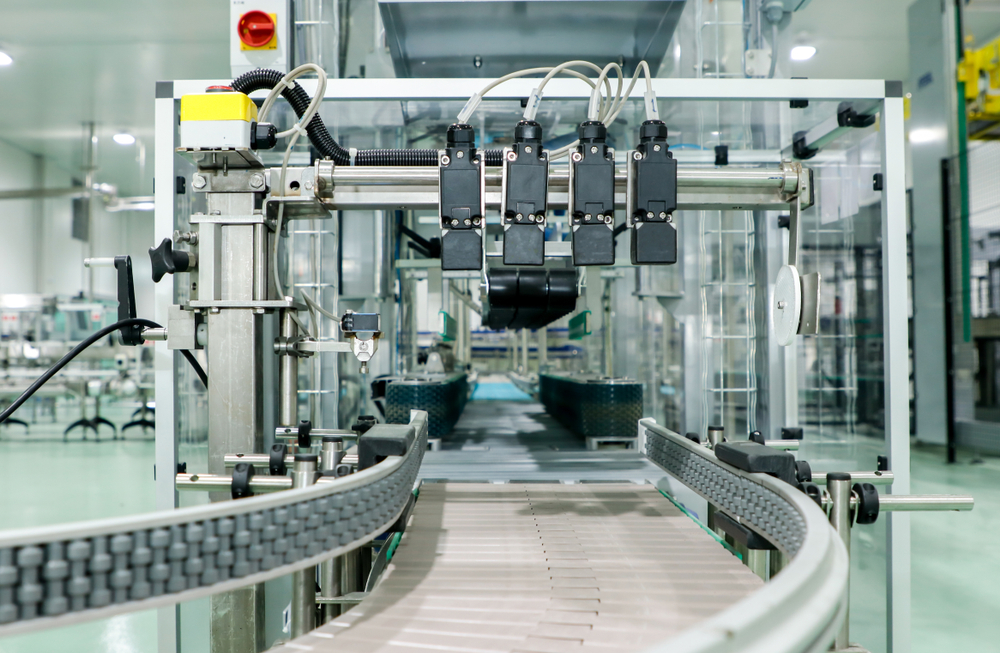
Snap action contact switch


The simplest way to connect the equipment and collect data is to install a contact switch with a snap-action mechanism (as shown above).


As soon as the arm is engaged, the switch closes and a signal is sent. You can then monitor production in real time.

Adding multiplier or divider factors lets you count products and simplify the read. Example: 5 signals = 1 completed product. 

2) New technology: a laser cutting machine

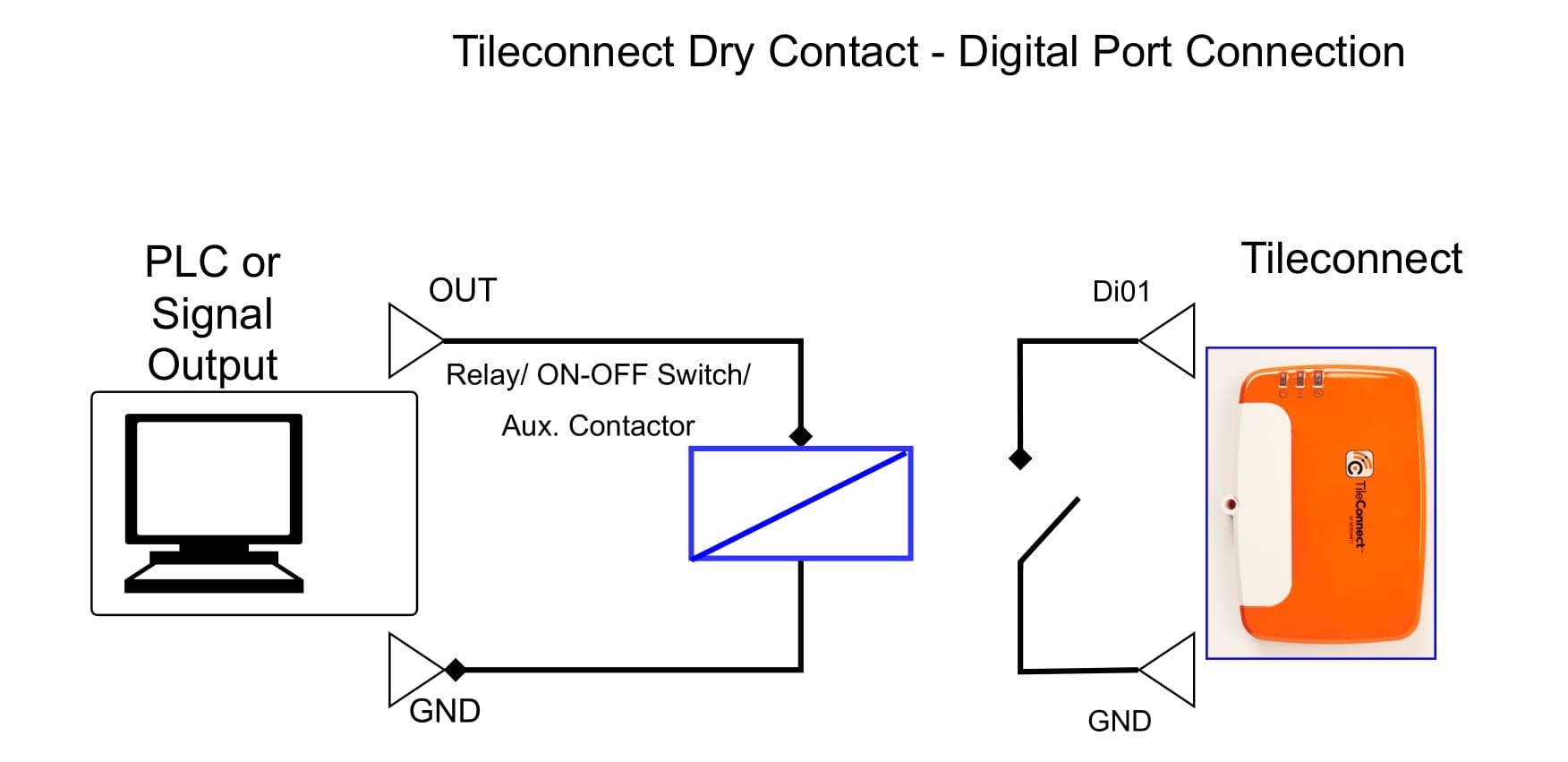
Newer equipment is often fitted with a PLC (Programmable Logic Controller). The most common approach is to capture the "output" signal of the dry contact type (binary control) from the cutting machine's PLC. As shown in the installation diagram below, no extra equipment is needed to make a signal usable, since it is already there.

You can then see the machine status (ON or OFF) and have real-time visibility into its availability. 
 

Worximity Data Factory 4.0

Many more signal options exist, depending on your needs and what data is useful to collect. You can also read our case study on a metal industry company, Prolifik, which reduced operating costs by adopting 4.0 factory tools.
Want to learn more?
Download the ebook
Related blog articles

Related articles

Back to the blog
Thank you! Your submission has been received!
Oops! Something went wrong while submitting the form.
Hand interacting with a futuristic digital interface displaying “2024,” AI icons, and technology symbols, representing emerging technology trends, artificial intelligence, digital transformation, innovation, and future-focused business strategy.
9
Jan 2024

Manufacturing Trends to Lookout for in 2024

English
3
Aug 2023

Embracing IIoT: The Smart Path for OEMs to Thrive with a Leading IIoT Smart Manufacturing Partner

English
21
Jul 2023

CDAP: $15,000 Grant To Jump Start Canadian Manufacturing Digital Transformation Projects

English

Related articles

Back to the blog
Thank you! Your submission has been received!
Oops! Something went wrong while submitting the form.
Manufacturing professional using a tablet to monitor production operations on a factory floor, with automated equipment visible in the background, representing MES systems, production monitoring, real-time visibility, and manufacturing performance.
9
Nov 2023

Production Monitoring vs. MES: Choosing the Right Solution for Your Manufacturing Needs

Don't pay for what you don't need. Understand which software suits your needs best and unlock the potential of your manufacturing processes.

English
Team members collaborating in a workshop setting, discussing ideas and planning initiatives in front of a presentation board, representing workforce development, employee engagement, continuous improvement, and organizational growth.
7
Nov 2023

Designing Software Products for Manufacturers: A Focus on Customer Needs

Dive into Worximity’s customer-centric approach to developing manufacturing software with a commitment to addressing real-world challenges.

English
Manufacturing team members gathered on a production floor discussing performance, processes, and improvement opportunities, representing operational excellence, teamwork, employee collaboration, and continuous improvement in manufacturing operations.
25
Oct 2023

Maximizing Operational Efficiency: A Multi-Faceted Journey

In manufacturing, achieving operational efficiency is an ongoing journey that requires various strategies and continuous effort.

English