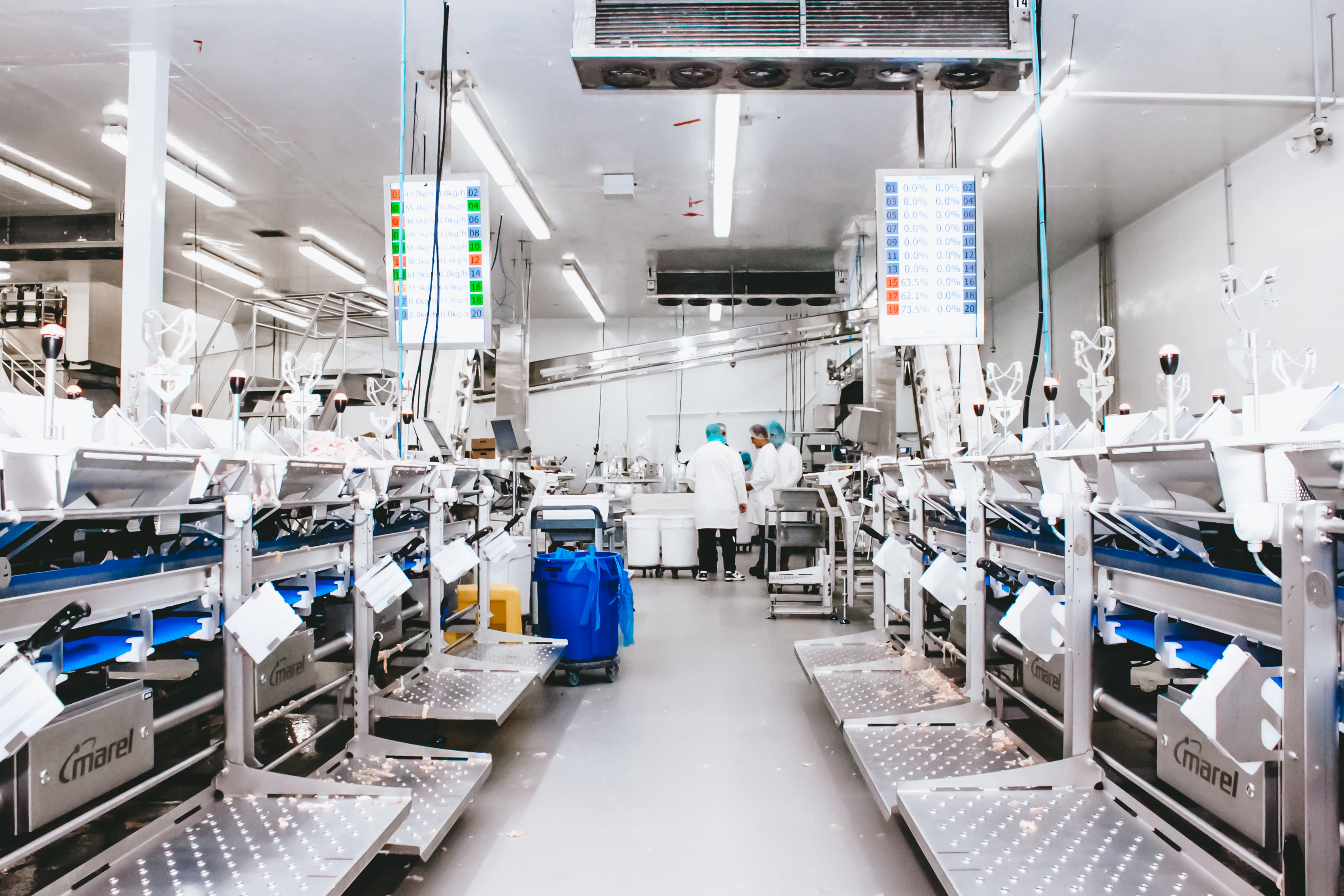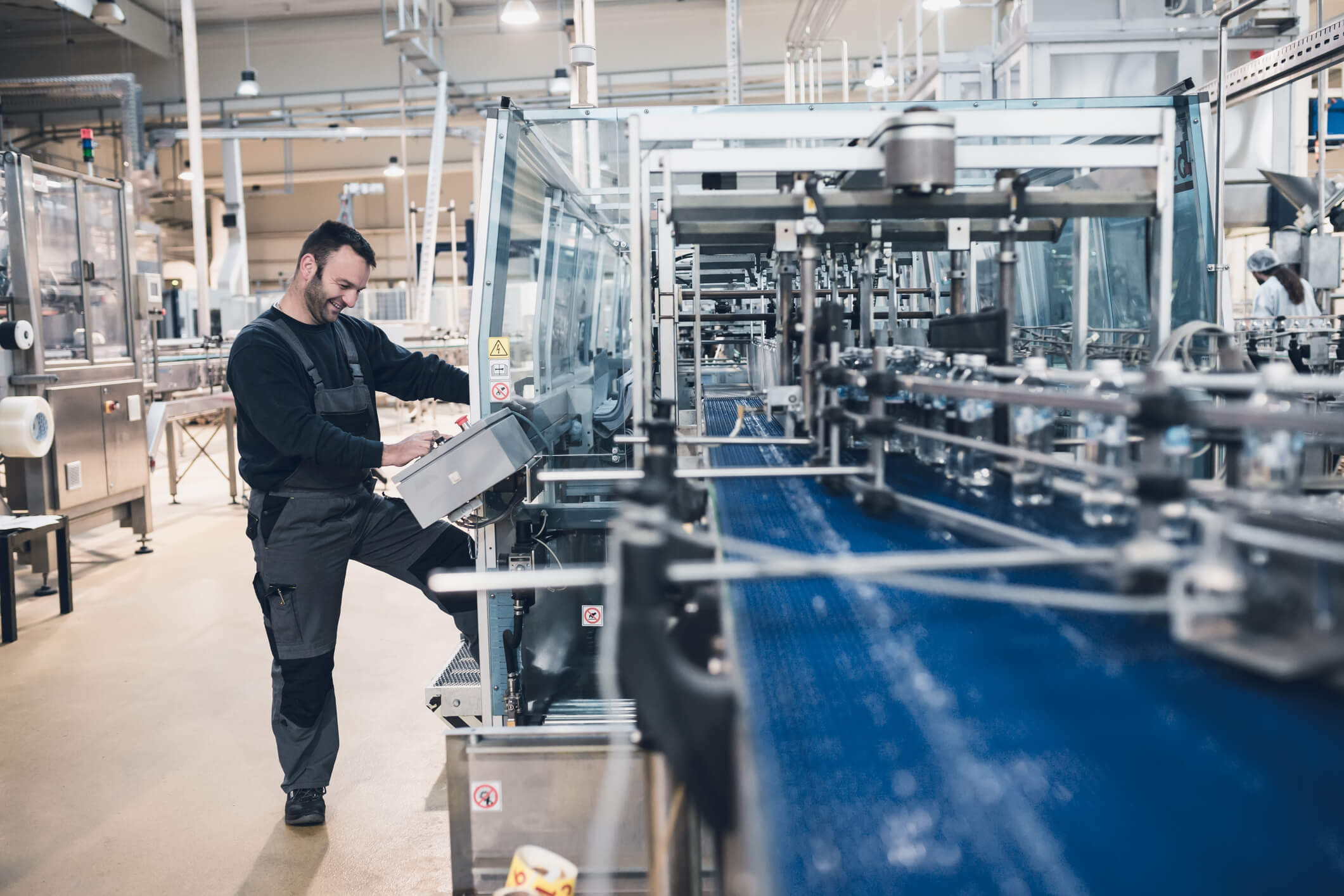

Waste caused by a manufacturing defect in the context of lean manufacturing refers to a finished product that contains defects. The defective parts of the product must therefore be replaced or the product reworked in its entirety, which drives additional cost and lead time or creates safety issues.
What does waste mean in a manufacturing context? Waste results from spending resources — such as time, money, and materials — that ultimately add no value to a product's value chain, or that reduce its value. In short, waste destroys value: by using more resources than necessary, by using resources that produce parts or components that cannot be used, or by producing finished goods that cannot be sold.
In a lean manufacturing system, waste is known as "muda," which means waste in Japanese. Two types of waste have been identified: obvious waste and hidden waste.
Obvious waste is waste that is predictable — for example, when the number of parts produced exceeds what is required or when the parts produced do not meet specifications.
Hidden waste refers to any waste arising from a step or task that is unnecessary in producing the product and that could otherwise be eliminated by using an alternative process or technology requiring fewer resources.
In our series of 8 posts on the 8 wastes of lean manufacturing, we examine each type of waste in a lean manufacturing system.
In our view, the first type of waste in a lean manufacturing system is the one stemming from products containing defects.
It is clear that any product with a manufacturing defect is waste in a lean manufacturing context. A defect can exist at the level of a part, the assembly, or when the finished product does not meet the required specifications. The product therefore cannot be used as is and will need to be reworked. Defects are often the most expensive type of waste because they drive other wastes such as extra transport, overproduction, and over-processing (unnecessary steps).
Many lean manufacturing consultants often recommend 4 steps to fix a manufacturing defect.

First, identify the manufacturing defects that are the most numerous, the most costly, and the most frequent — in that order. Then, choose the one you want to focus on. This will help you detect the defect and make sure it does not move into later steps of the product's manufacturing process, which would erode its value further. Third, fix the manufacturing process to eliminate the potential for defects. And finally, fourth, make sure to standardize the process so the new process produces quality products without defects.
Generally, when you analyze the manufacturing process to eliminate defects, you often notice the presence of:
- a lack of standards or weak documentation
- weak quality controls
- a poorly defined process to begin with
- inadequate product design or a product that is impossible to manufacture
- design changes that are not documented and incompatible with the parts used in the production process
- poor inventory control leading to ad hoc adjustments to the production process
As a result, you should:
- Review the part or product design to spot any design flaw
- Use standardized work plans and specifications as well as work tools that make quality control easier (e.g., aide-mémoire / checklists)
- Make sure product specifications are properly understood and provide training where needed
- Ask for feedback from the staff working on this step of the process
Indeed, the people directly involved in the process are often best positioned to detect what is causing issues.
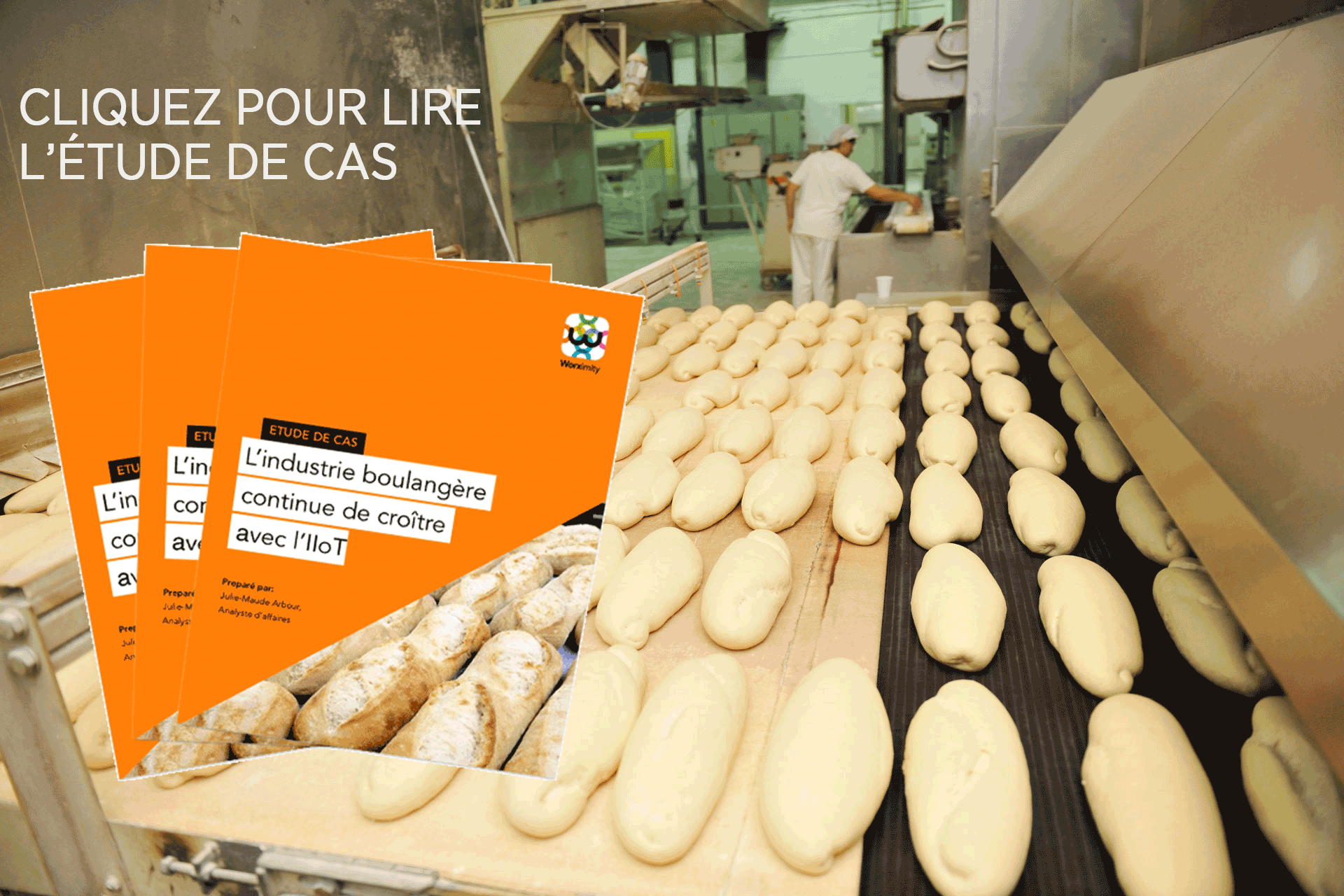
Here is an example of a 4.0 bakery using data analytics to minimize and eliminate manufacturing defects:
You can easily remember the eight types of waste in lean manufacturing with the acronym DOWNTIME:
- Defects
- Overproduction
- Waiting
- Non-Utilization
- Transport Waste
- Inventory
- Motion
- Excess Processing