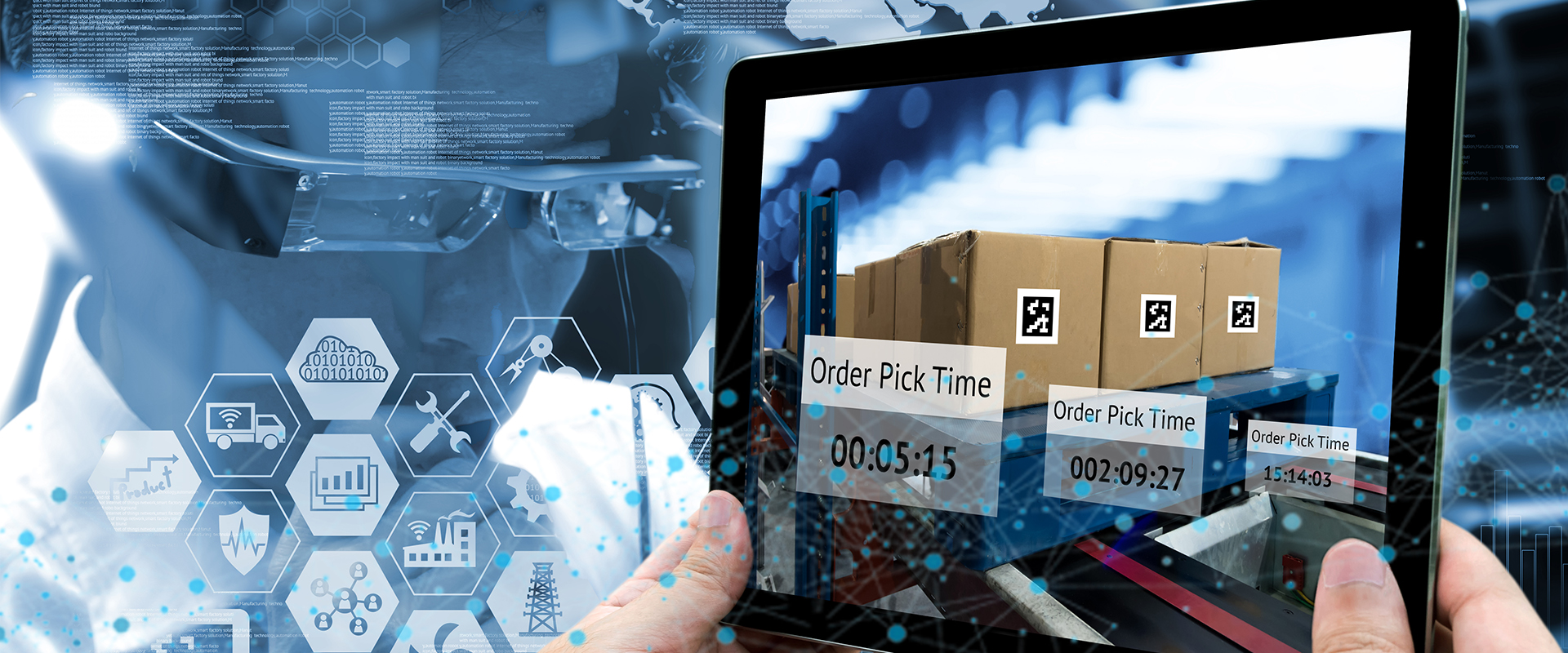
If you're working in the food industry, the concept of farm to table should sound familiar to you. Traceability is an inherent challenge for food manufacturers as consumers are increasingly concerned with the source of their food and regulatory agencies are tightening their rules while tracking the movement of food remains a difficult task. However, having a traceability plan is essential for an effective recall strategy. Should a recall occur, it is crucial for manufacturers to be able to quickly identify the affected products for safety and reputation reasons.
Adding on, as of January 2019, the Safe Food for Canadians Regulations came into effect, notably requiring a verifiable traceability system. As Canadian manufacturers are facing significant changes, many are unsure of the first steps that need to be taken in order to create an effective system.
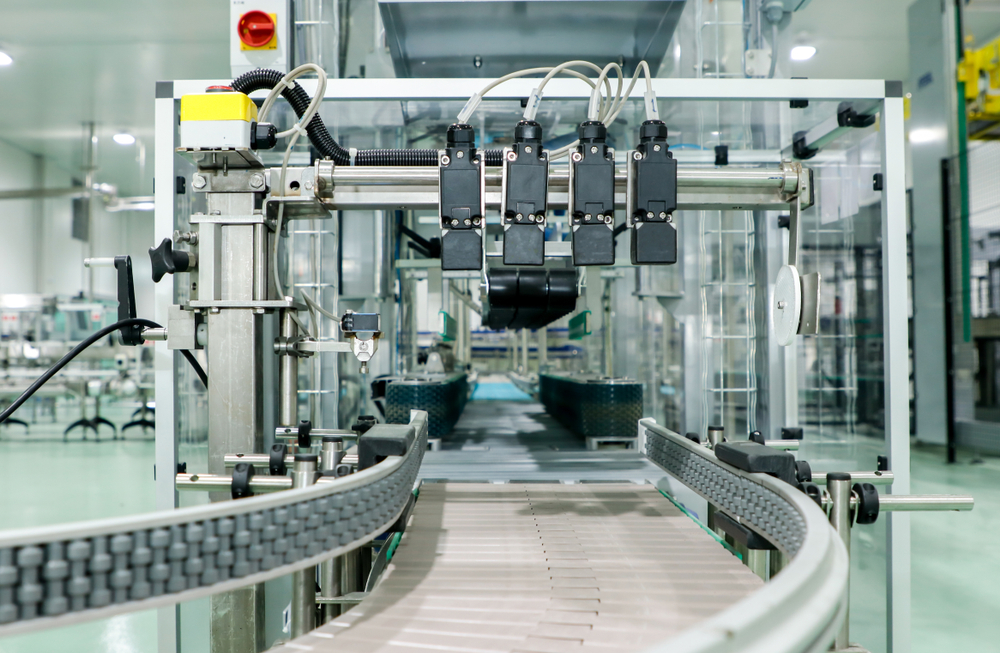
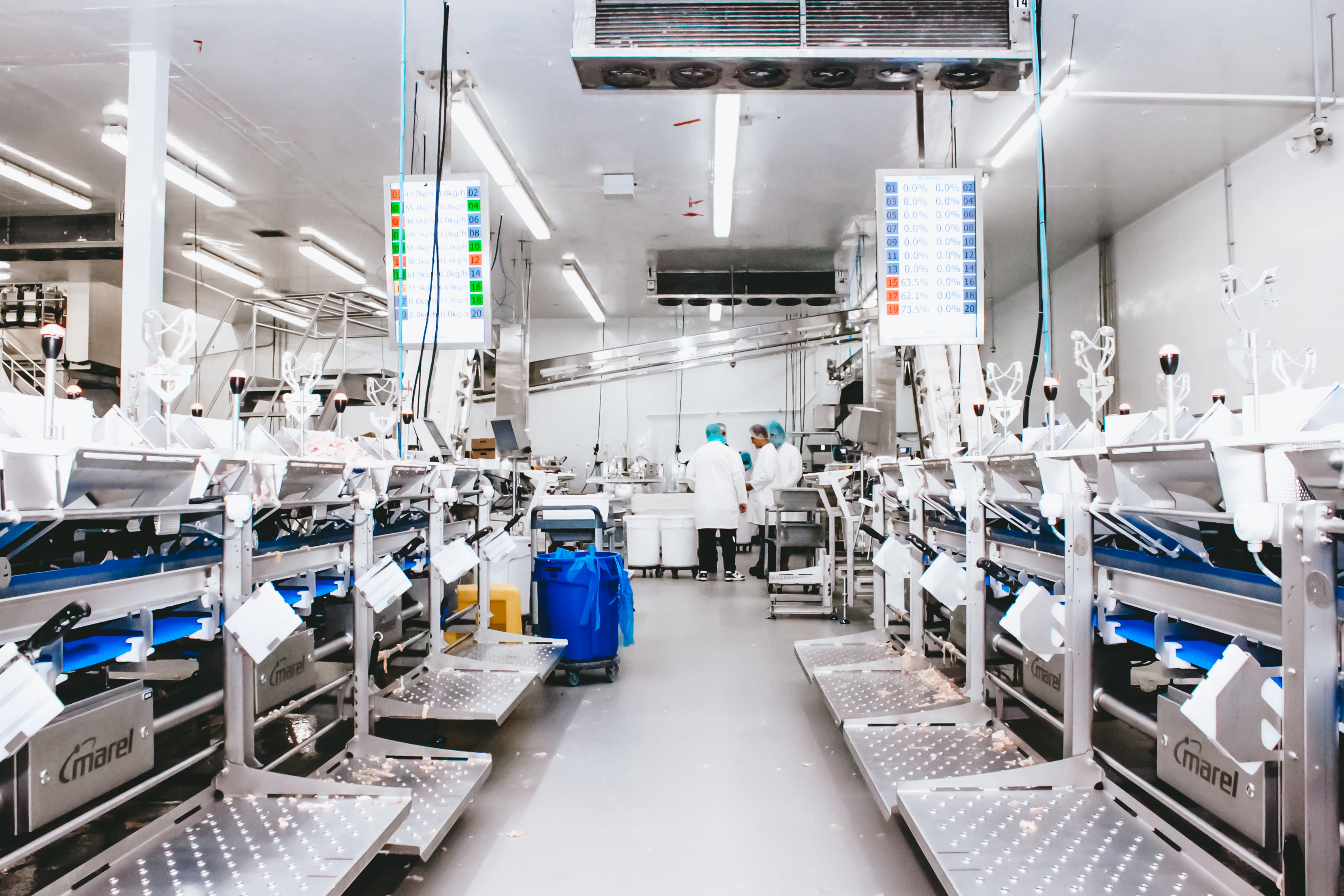
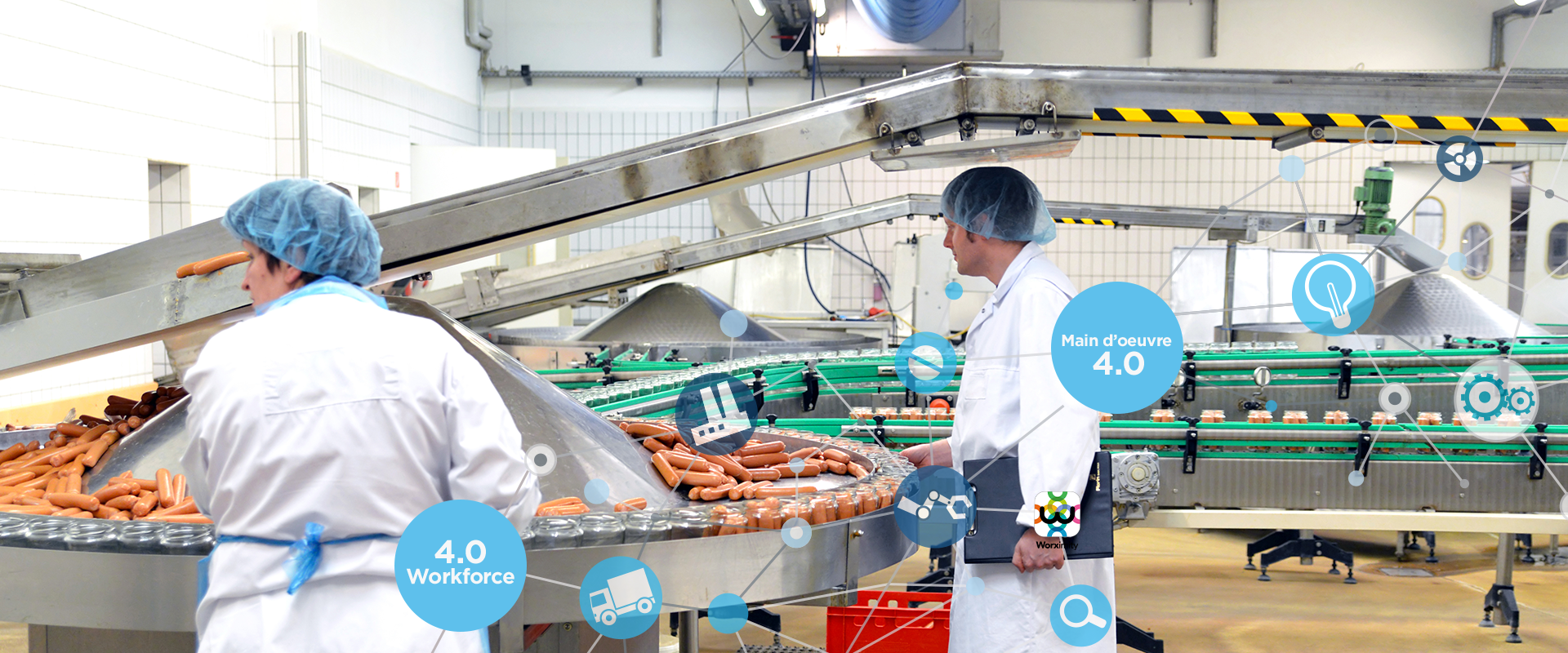
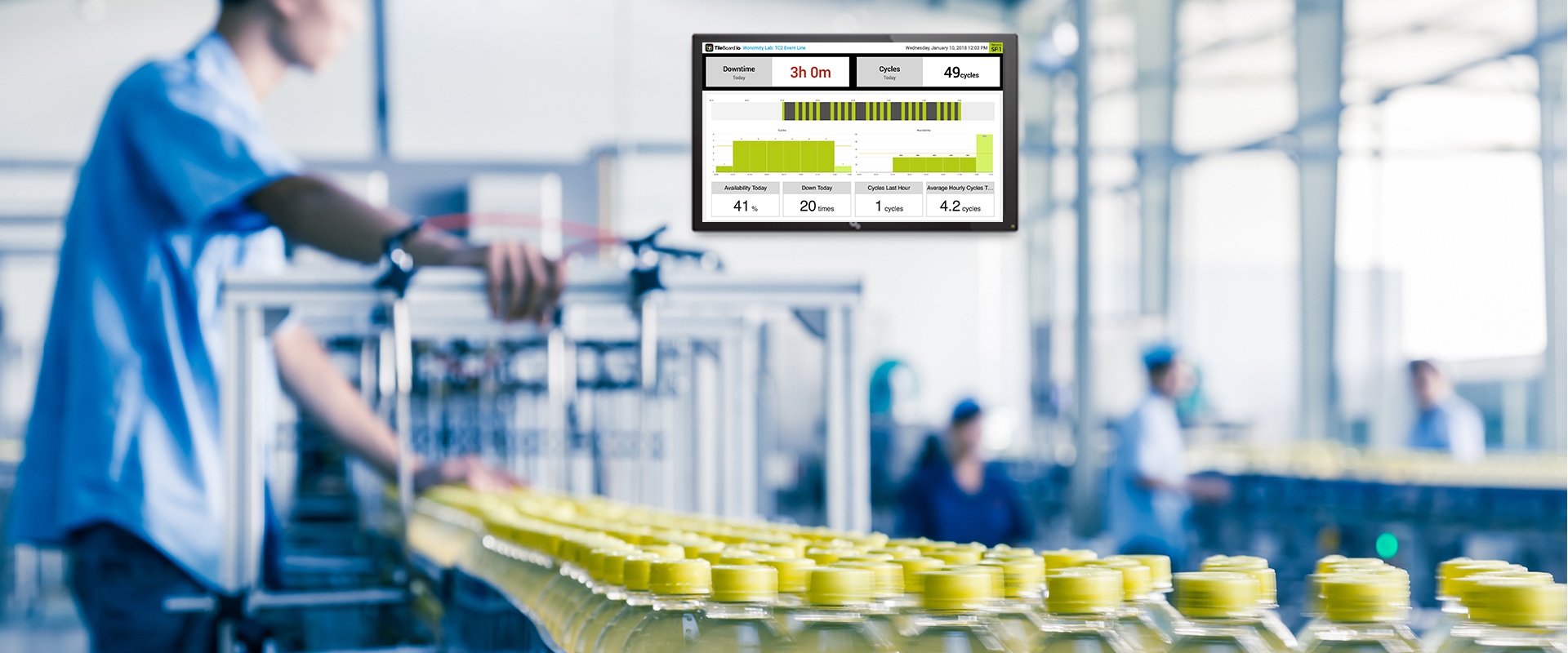
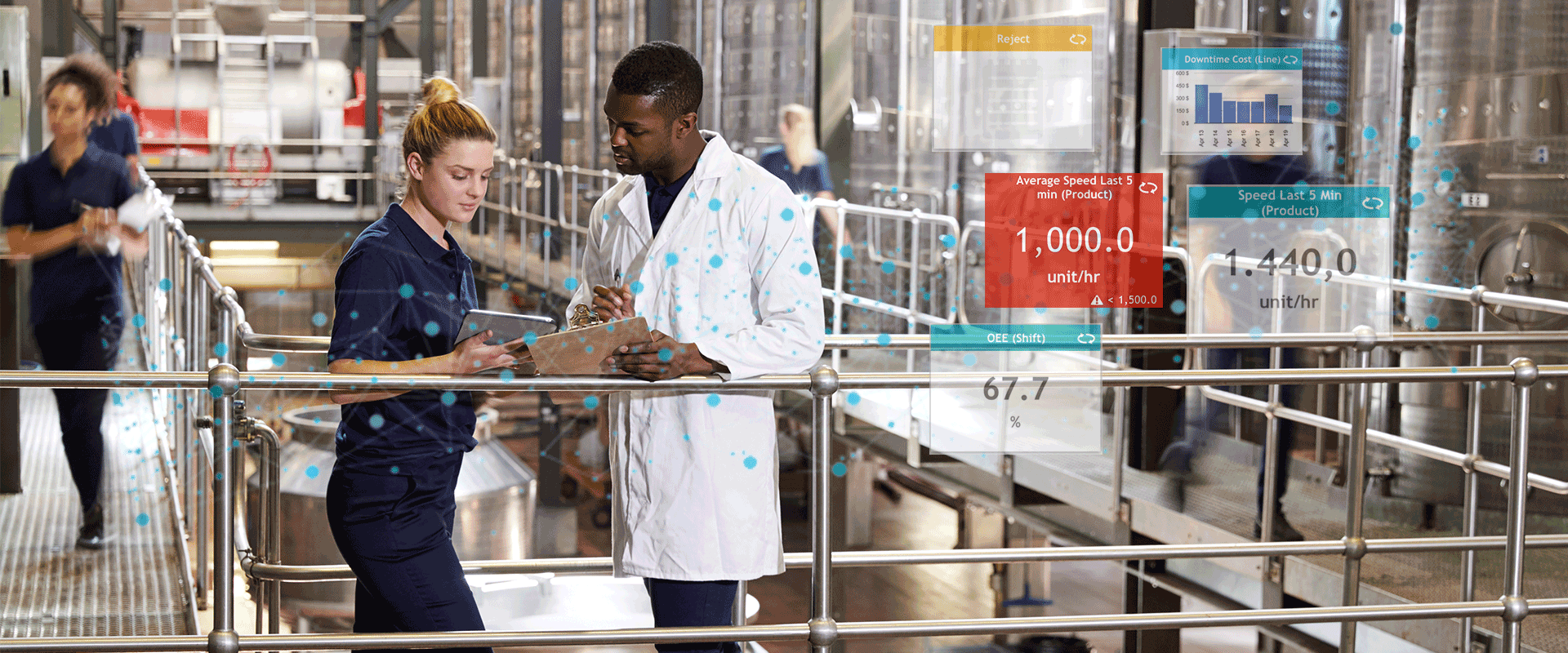
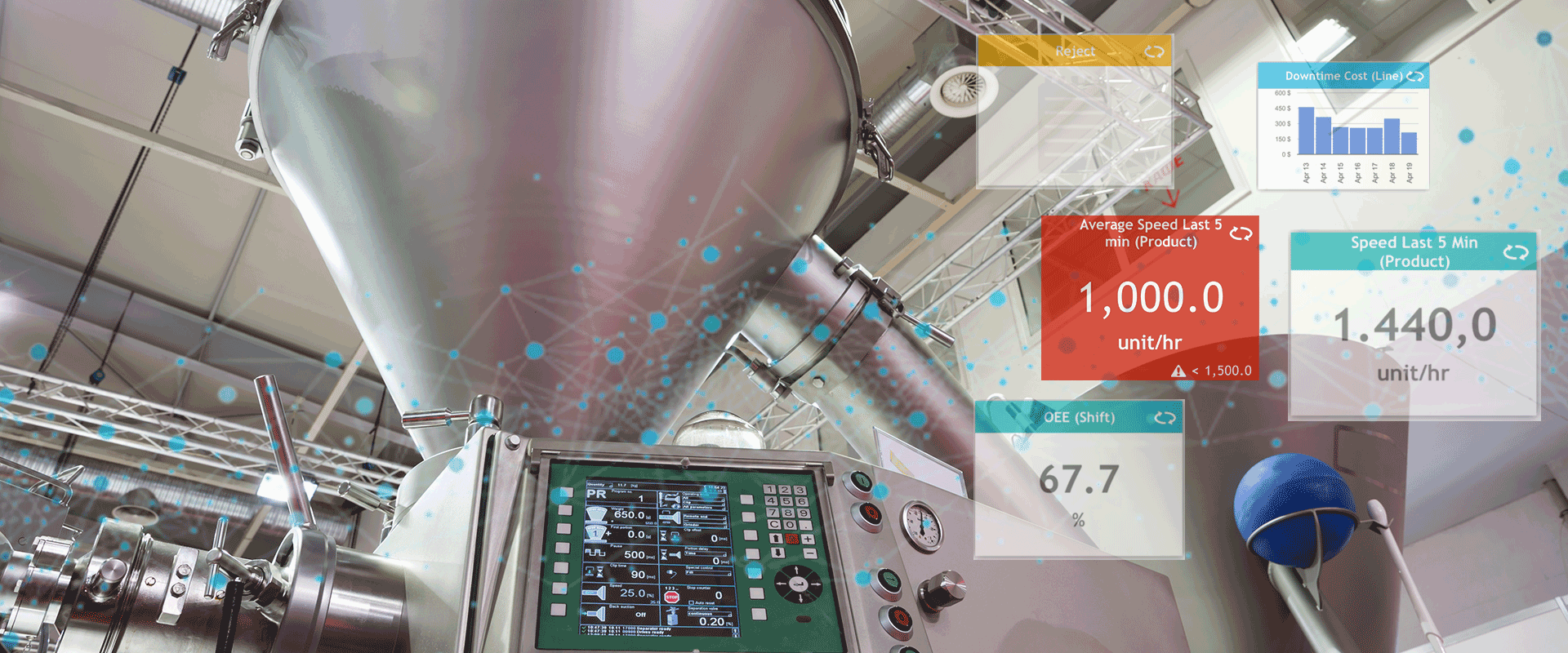
Thankfully, with the rise of Industry 4.0, digitally enabled technology has transformed the Canadian manufacturing scene. Although the food and beverage industry is considered to be a laggard in terms of technology adoption, with traceability becoming mandatory, time has come to select the technologies that can serve the challenges faced. Primarily, automated systems and smart sensors contribute to inventory management systems by monitoring ingredients, warehouses, logistics and retail points. Most importantly, these allow manufacturers to collect valuable data. Additional benefits of automated data collection include increased efficiencies and productivity and reduction of downtimes, ultimately leading to lower costs and a higher yield. Ultimately, connected systems assure utmost productivity, leading to greater awareness and better decision making. Executive teams and decision makers can then better leverage arising opportunities.
Read more about what Canadian Manufacturing has to say about farm to fork right here.