21 Aug
2018

Five Pillars of a Successful AI-based Transformation

The innovations resulting from the arrival of artificial intelligence (AI) are within reach for many companies. When it comes to using AI and IIoT, consider the five pillars to make a successful AI-based transition and adopt leaner and more agile work practices.

Artificial Intelligence
Industry 4.0
Lean Manufacturing
IIoT
Five Pillars of a Successful AI-based Transformation

The innovations resulting from the arrival of artificial intelligence (AI) are within reach for many companies. When it comes to using AI and the Industrial Internet of Things (IIoT,) Senior Vice President, Global Solutions & Innovation at Hitachi Consulting Philip Townsend says these things need to “work together securely at commercial or industrial scale to create business value.” In a report he wrote with Vice President Organization Effectiveness at Hitachi Consulting Susan Anderson and Hitachi Fellow Dr. Kazuo Yano, they discuss the “Five pillars of a successful AI-based transformation,” and more with a view to helping your manufacturing plant more lean and agile with AI and IIoT.

Here are the five pillars of a successful AI-based transformation according to Townsend, Anderson, and Yano.  


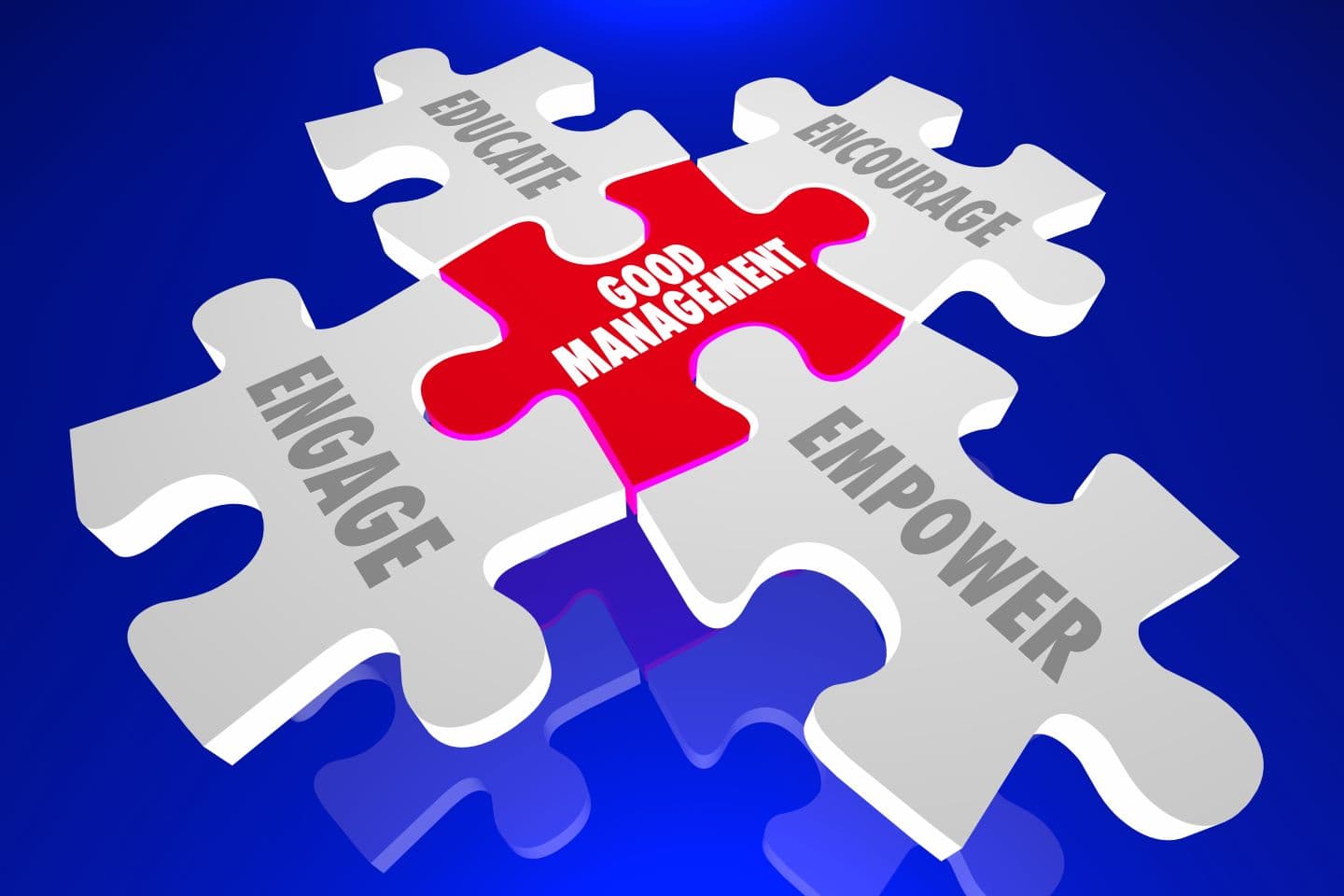
  1. Demonstrate effective digital leadership: Leaders wanting to create new value streams from AI need to be collaborative with  groups like R&D and IT, but also recognize that the digital vision ultimately cascades from the  top down through the rest of the organization.
     
  2. Enhance customer engagement: In practical terms, this means putting the customer at the center of the AI vision and building the capabilities required to move ever closer to customers, end-users, suppliers  and investors.
     
  3. Improve the operational environment. This pillar is foundational because AI and other digital capabilities enable organizations  to act faster, smarter and more cohesively, with unprecedented levels of clarity and precision.
     
  4. Evolve the core architecture: An essential component of digital transformation using AI is evolving the  core architecture. Streamlined, secure and robust IT drives the digital enterprise, creating a more  responsive digital core that provides intuitive access to business data and apps that enable greater efficiency and effectiveness.  

    Source + read the complete report.
 

Want to learn more?
Download the ebook
Related blog articles

Related articles

Back to the blog
Thank you! Your submission has been received!
Oops! Something went wrong while submitting the form.
23
May 2024

Exemples de Lean Manufacturing provenant des principaux leaders de l’industrie

French
9
Jan 2024

Manufacturing Trends to Lookout for in 2024

English
16
Oct 2023

The Synergy Between Lean Manufacturing and OEE Monitoring

English

Related articles

Back to the blog
Thank you! Your submission has been received!
Oops! Something went wrong while submitting the form.
8
May 2019

Implications des technologies 4.0 pour les producteurs laitiers

Alors que les technologies 4.0 deviennent une nécessité pour les fabricants de produits alimentaires, découvrez-en davantage sur le rôle qu’elles jouent pour les transformateurs de produits laitiers.

French
15
Aug 2018

La BDC compare des tableaux de bord numériques, dont TileBoard

La Banque de Développement du Canada présente une section sur les outils technologiques pour mieux gérer les opérations d'une entreprise. Une section est spécialement dédiée aux tableau de bord de fabrication, comme TileBoard, qui s'inscrivent tout naturellement au dans un plan stratégique pour devenir usine intelligente.

French
13
Aug 2018

4 étapes pour rendre l'usine intelligente selon CTEQ

Le Centre de transfert d'entreprise du Québec propose 4 étapes pour rendre les usines intelligentes: Analyser la situation de l'entreprise, concevoir la stratégie numérique, lancer un projet pilote et numériser l'entreprise.

French