21/8/18

Five Pillars of a Successful AI-based Transformation

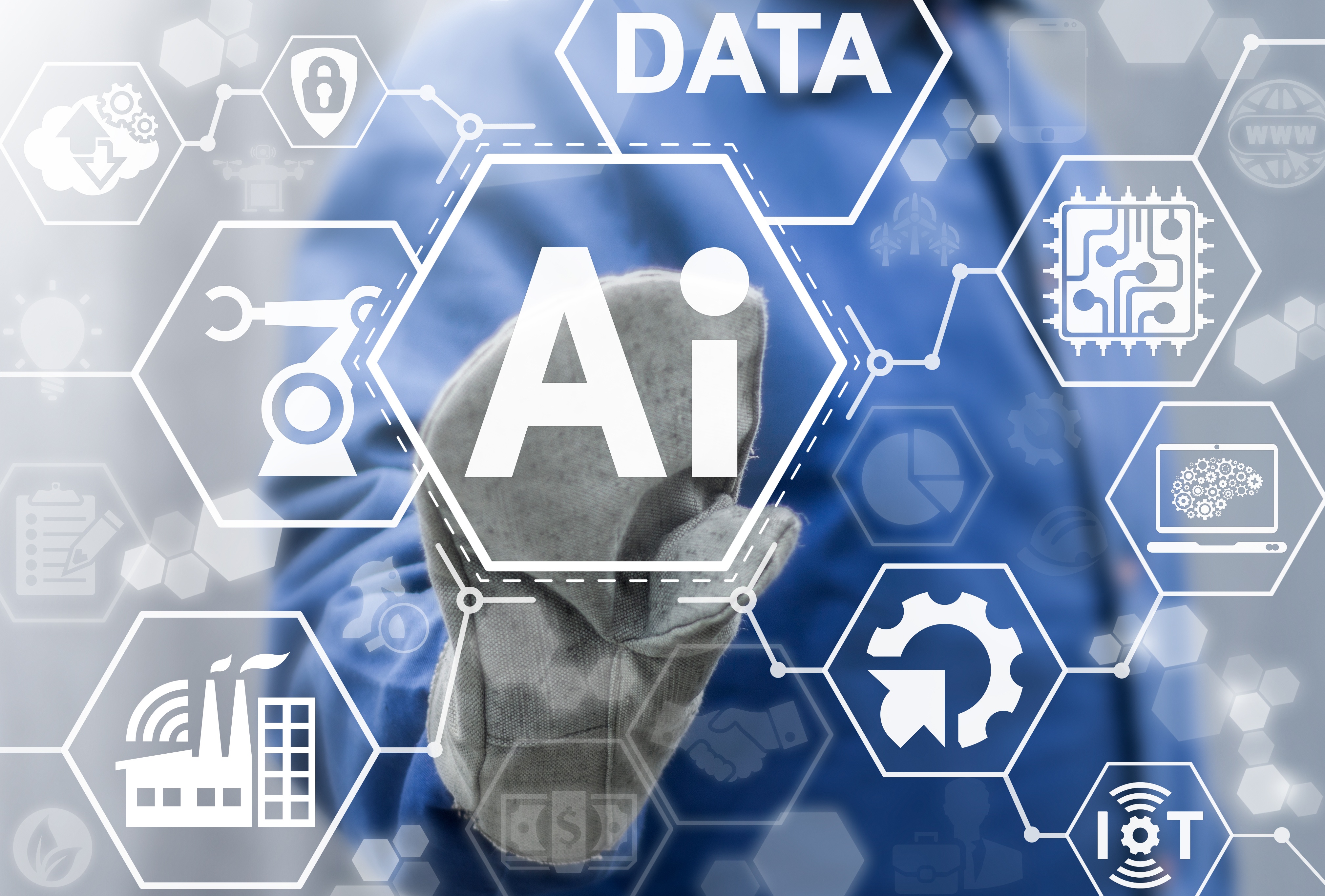
The innovations resulting from the arrival of artificial intelligence (AI) are within reach for many companies. When it comes to using AI and IIoT, consider the five pillars to make a successful AI-based transition and adopt leaner and more agile work practices.

Artificial Intelligence
Industry 4.0
Lean Manufacturing
IIoT
Five Pillars of a Successful AI-based Transformation

The innovations resulting from the arrival of artificial intelligence (AI) are within reach for many companies. When it comes to using AI and the Industrial Internet of Things (IIoT,) Senior Vice President, Global Solutions & Innovation at Hitachi Consulting Philip Townsend says these things need to “work together securely at commercial or industrial scale to create business value.” In a report he wrote with Vice President Organization Effectiveness at Hitachi Consulting Susan Anderson and Hitachi Fellow Dr. Kazuo Yano, they discuss the “Five pillars of a successful AI-based transformation,” and more with a view to helping your manufacturing plant more lean and agile with AI and IIoT.

Here are the five pillars of a successful AI-based transformation according to Townsend, Anderson, and Yano.  


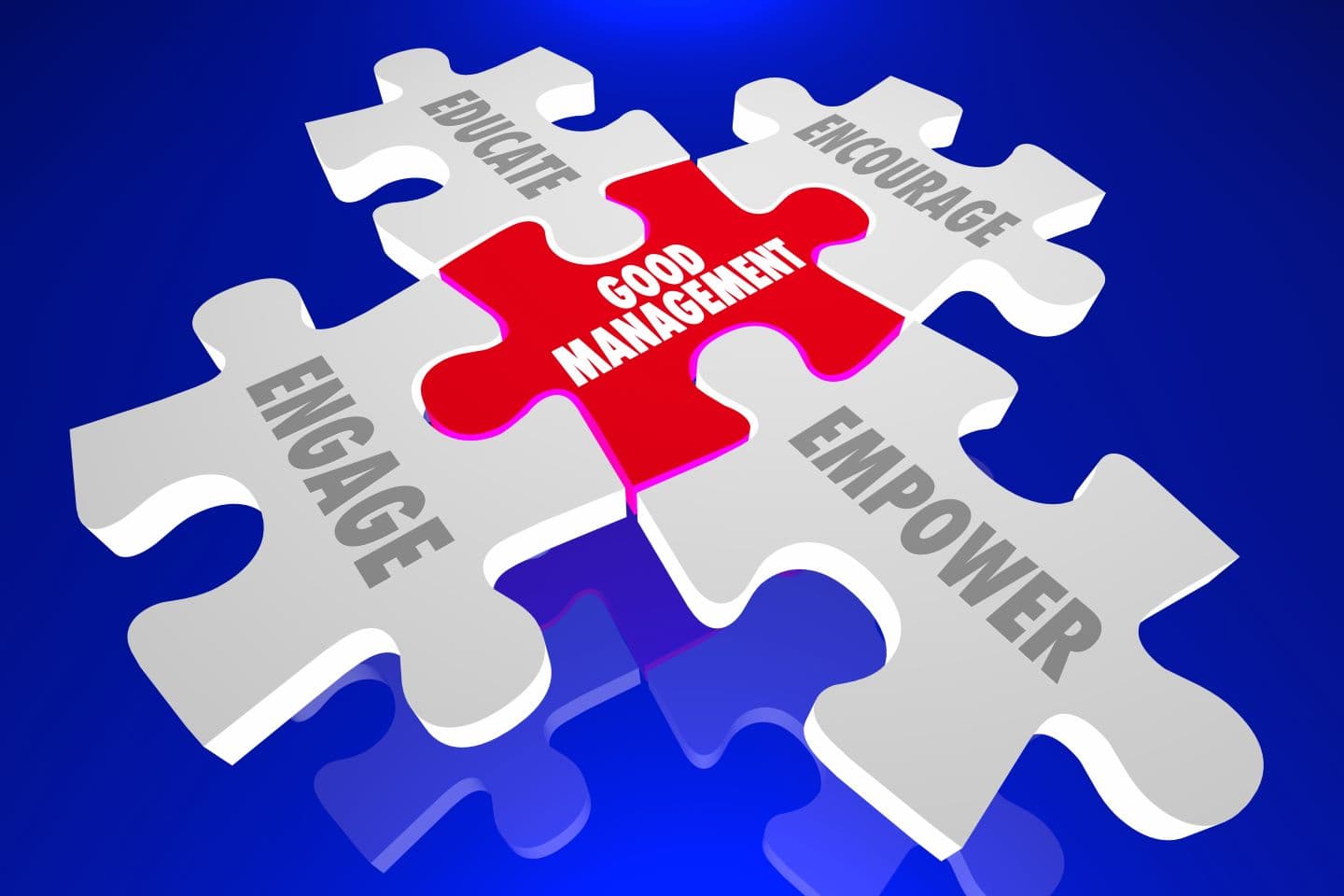
  1. Demonstrate effective digital leadership: Leaders wanting to create new value streams from AI need to be collaborative with  groups like R&D and IT, but also recognize that the digital vision ultimately cascades from the  top down through the rest of the organization.
     
  2. Enhance customer engagement: In practical terms, this means putting the customer at the center of the AI vision and building the capabilities required to move ever closer to customers, end-users, suppliers  and investors.
     
  3. Improve the operational environment. This pillar is foundational because AI and other digital capabilities enable organizations  to act faster, smarter and more cohesively, with unprecedented levels of clarity and precision.
     
  4. Evolve the core architecture: An essential component of digital transformation using AI is evolving the  core architecture. Streamlined, secure and robust IT drives the digital enterprise, creating a more  responsive digital core that provides intuitive access to business data and apps that enable greater efficiency and effectiveness.  

    Source + read the complete report.
 

Want to learn more?
Download the ebook
Related blog articles

Related articles

Back to the blog
Thank you! Your submission has been received!
Oops! Something went wrong while submitting the form.
No items found.

Related articles

Back to the blog
Thank you! Your submission has been received!
Oops! Something went wrong while submitting the form.
Hand interacting with a futuristic digital interface displaying “2024,” AI icons, and technology symbols, representing emerging technology trends, artificial intelligence, digital transformation, innovation, and future-focused business strategy.
9
Jan 2024

Manufacturing Trends to Lookout for in 2024

As we look at manufacturing trends for 2024, pressure to stay on top of current trends and maintain competitiveness are at an all-time high

English
Automated bottling and packaging line in a manufacturing facility, with glass bottles moving through production equipment, representing production throughput, manufacturing output, operational efficiency, and process performance.
5
Dec 2023

Understanding takt time in manufacturing

Through real examples and practical insights, discover why measuring and monitoring takt time is the path to optimized production.

English
nfographic illustrating the major sources of Overall Equipment Effectiveness (OEE) losses in manufacturing, showing categories such as downtime, speed losses, and quality losses that impact production performance and operational efficiency.
15
Nov 2023

Decoding the OEE Calculation: Translating OEE Metrics into Tangible Losses

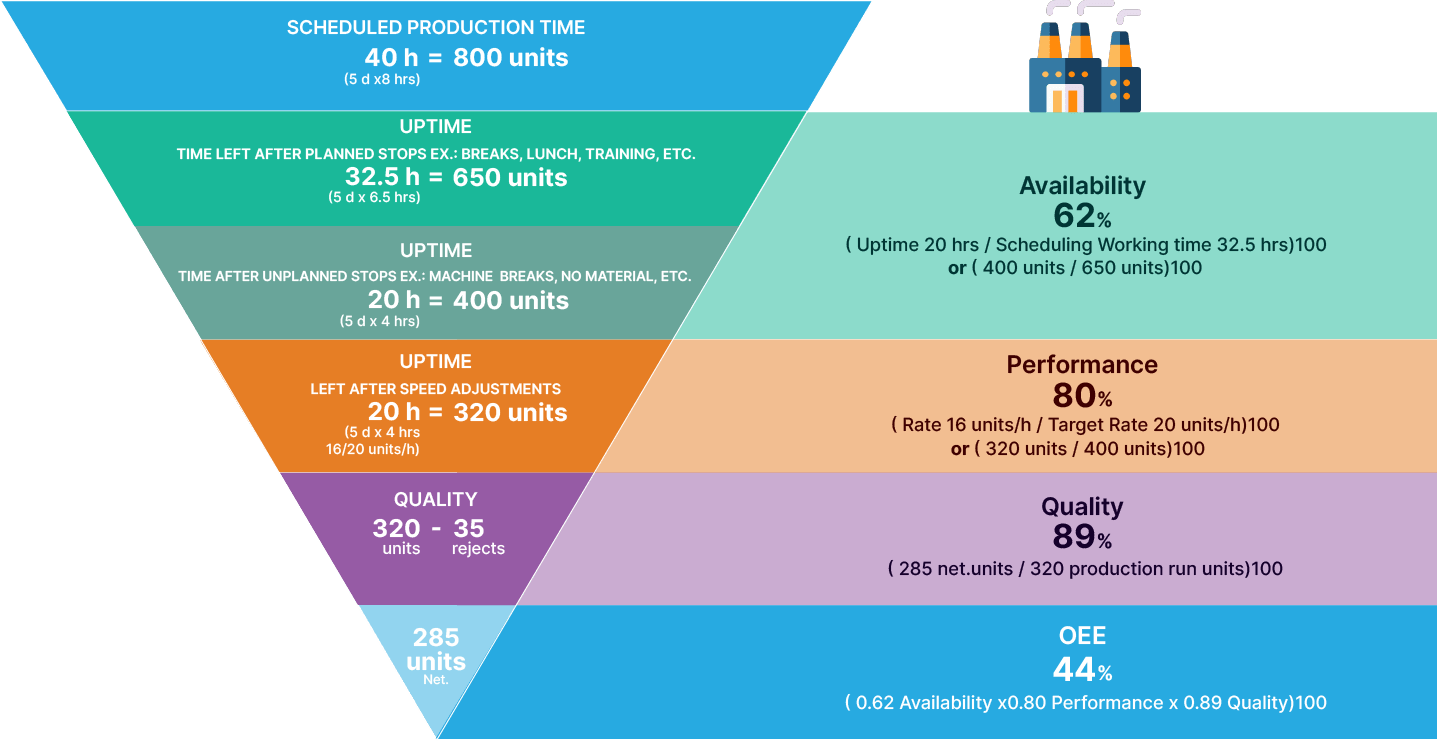
The following OEE funnel is a great way to visualize how losses in availability, performance, and quality impact OEE and your throughput.

English